
Plants
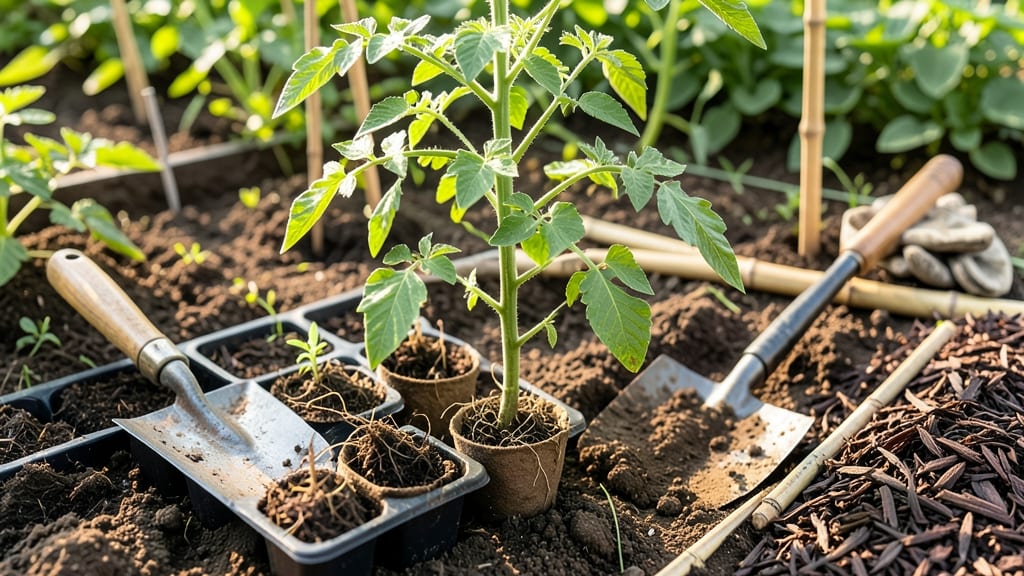
Indiana’s frost dates & tomato planting zones: the exact timing formula
Timing your tomato planting in Indiana isn’t just about waiting for spring—it’s about mastering the frost-date formula to avoid bolting and ensure a bountiful harvest. Indiana spans USDA Zones 5-6, meaning frost dates vary dramatically between northern and southern regions.
For example, northern Indiana (Zone 5) typically sees its last frost around May 10-15, while southern Indiana (Zone 6) can plant as early as April 15-30.
To calculate your exact planting window, start with the average last frost date for your area (check the Purdue Extension frost map for precision). Then, add 10-14 days to account for the hardening-off period—this gradual acclimation to outdoor conditions prevents transplant shock.
For instance, if your last frost is May 1, transplant seedlings May 11-15.
Here’s the golden rule: Tomatoes thrive when soil temperatures hit 60°F+. Use a soil thermometer to confirm—cold soil delays growth and increases bolting risk. In Indiana’s unpredictable springs, this means waiting for mid-to-late May in colder zones, even if air temperatures seem warm.
For direct sowing (planting seeds outdoors), wait until soil is 70°F+ and all frost risk has passed. This usually lands in late May to early June for most of Indiana. Direct-sown tomatoes take 70-80 days to mature, so plant ‘Early Girl’ by May 1 for a July harvest.
Indiana Tomato Planting Timeline
| Region | Last Frost Date | Safe Transplant Window | Direct Sow Window |
|---|---|---|---|
| Northern Indiana (Zone 5) | May 10-15 | May 20 - June 1 | June 1-15 |
| Central Indiana (Zone 5b-6a) | April 25 - May 10 | May 5 - May 20 | May 15 - June 1 |
| Southern Indiana (Zone 6) | April 15-30 | April 25 - May 10 | April 30 - May 15 |
*Sources: Purdue Extension, Indiana State Climate Office
Indiana’s microclimates add another layer of complexity. Urban areas like Indianapolis often warm up faster than rural zones, while valleys and low-lying spots hold frost longer. To hedge your bets, use row covers or black plastic mulch to warm soil and extend your planting window by 1-2 weeks.
Pro tip: Start seeds indoors 6-8 weeks before your last frost date. For northern Indiana, that means mid-March, while southern Indiana gardeners can start late February. Use grow lights to prevent leggy seedlings, and transplant after hardening off for 10-14 days.
One common mistake? Planting too early based on air temperature alone. Soil temperature is the critical factor. Test it with a thermometer—if it’s below 60°F, delay planting. Even if your tomato seedlings look healthy, cold soil can stunt roots and trigger bolting.
For fall planting, consider fast-maturing varieties like ‘Early Girl’ or ‘Stupice’. Sow seeds July 15-August 1 for a late-season harvest before the first frost (typically October 15). Use row covers to push harvests into November.
Remember: Indiana’s 165 frost-free days are your growing season. Plan accordingly—whether you’re transplanting seedlings or direct-sowing, timing is everything. With this formula, you’ll avoid bolting and enjoy tomatoes from July through October. 🌱
How to avoid bolting: 5 critical tips for Indiana’s unpredictable spring weather
Indiana’s spring weather can be a rollercoaster—one day it’s 70°F and sunny, the next, a 30°F frost sneaks in. This unpredictability is the #1 reason tomatoes bolt (flower too early), wasting your effort. The key is proactive planning to keep your plants focused on growth, not reproduction.
First, monitor soil temperature—tomatoes need soil at 50°F+ to thrive. Use a soil thermometer to check daily. If temps dip below 55°F, delay planting or use row covers to trap heat. Cold soil shocks roots and triggers early flowering.
Here’s my 5-step bolting-prevention plan tailored for Indiana gardeners, packed with actionable tips to keep your tomatoes on track:
Wait for consistent warmth: Plant outdoors only after 3 consecutive days above 60°F. Check Purdue Extension’s frost-free date maps—northern Indiana averages April 20-30, while southern Indiana can start 2 weeks earlier.
Hardening-off is non-negotiable: If starting seeds indoors, harden off seedlings for 10-14 days before transplanting. Place them outside in partial shade for 2 hours/day, gradually increasing time. Skip this, and transplant shock will stress plants into bolting.
Choose heat-tolerant varieties: Indiana’s humid summers and late frosts demand resilient picks. Opt for 'Celebrity' (disease-resistant), 'Better Boy' (heat-loving), or 'Stupice' (early maturing). Avoid cherry tomatoes—they bolt faster in heat.
Use black plastic mulch: Spread black plastic over beds 2 weeks before planting to warm soil 5-10°F faster. This creates a microclimate that delays bolting. Remove mulch after harvest to prevent soil compaction.
Adjust for late frosts: If a late frost hits after planting, cover seedlings with floating row covers or old bedsheets. Remove covers when temps rise to 55°F to avoid heat stress. Pro tip: Plant succession crops every 2 weeks until June 1 for extended harvests.
Bolting isn’t just about timing—it’s about managing stress. Overwatering, nutrient deficiencies, or even root-bound seedlings can trigger early flowering. Always water deeply but infrequently (1-1.5 inches/week) and fertilize with a balanced 5-10-10 mix to avoid nitrogen spikes that promote leafy growth over fruit.
Remember, Indiana’s humidity and variable weather make tomatoes a high-maintenance crop. But with these tips, you’ll outsmart bolting and enjoy a bountiful harvest from June to October. Start small—try 2-3 plants of your favorite variety—and refine your approach each year.