
Plants
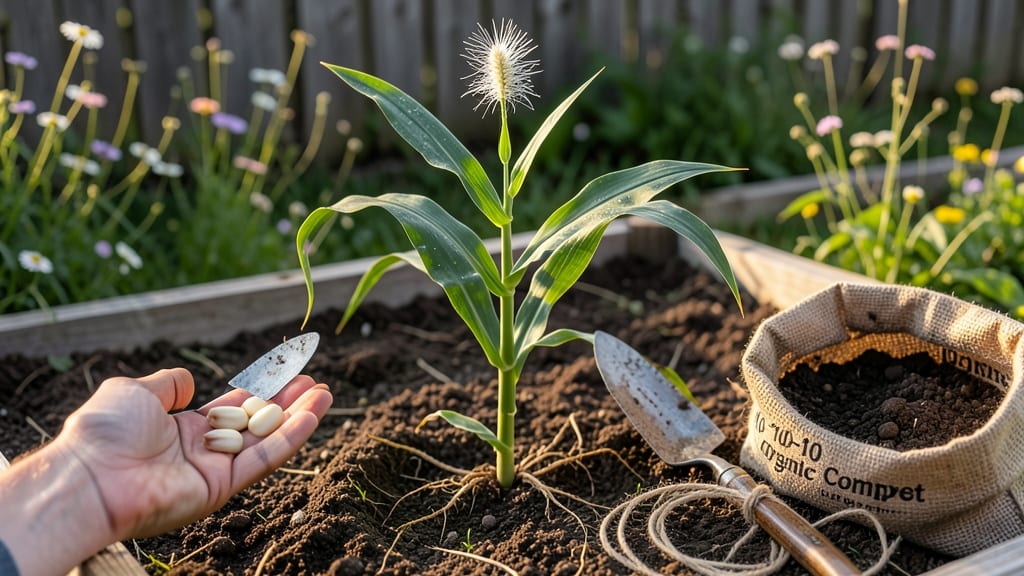
Timing your 🌽 corn planting in Pennsylvania wrong could mean the difference between a thriving garden and wasted seeds—so getting it right is the key to fast germination and a bountiful harvest.
With Pennsylvania's 5b-7a climate, planting too early risks frost damage, while waiting too long can shorten your growing season. The ideal window runs from April 15 to May 31, but local microclimates and soil temperatures add layers to this equation.
I'll walk you through the exact frost-date formula that works for your zone, plus practical tips to adjust for urban gardens, high-altitude areas, and even how to use mulch to extend your growing season.
Whether you're a first-time gardener or a seasoned pro, these strategies will help you plant corn at the perfect moment for maximum yield and minimum stress.
Pennsylvania corn planting dates by hardiness Zone and frost risk
Pennsylvania’s USDA hardiness zones 5b-7a create a 60-day window for planting corn—timing that balances soil warmth and frost risk. The golden rule? Wait until soil temps hit 50°F (10°C) and the last frost has passed, typically mid-April to late May.
In colder northern zones (Zone 5b), this might mean waiting until May 1, while southern areas (Zone 7a) can start as early as April 15.
Corn seeds need consistent warmth to germinate—below 50°F (10°C), they’ll rot in the soil. Use a soil thermometer to check depth (1 inch). Pro tip: Black plastic mulch can warm soil by 5-10°F, letting you plant 1-2 weeks earlier in cooler zones.
For fast germination, aim for 60°F (15°C) soil, which speeds up sprouting from 7-10 days to just 5-7 days.
Here’s the frost-date formula I use for Pennsylvania gardens:
| Zone | Last Frost Date | Ideal Planting Window | Soil Temp Requirement | Days to Harvest |
|---|---|---|---|---|
| 5b (Northwest PA) | May 1 | May 10–20 | 60°F+ (15°C+) | 75–90 days |
| 6a (Central PA) | April 25 | April 30–May 15 | 55°F+ (13°C+) | 70–85 days |
| 7a (Southeast PA) | April 15 | April 20–May 10 | 50°F+ (10°C+) | 65–80 days |
*Adjust dates 1–2 weeks later for high-altitude areas (e.g., Pocono Mountains).
For fast germination, I recommend planting sweet corn varieties like 'Silver Queen' (75 days) or 'Ambrosia' (80 days) in late May—this gives them enough time to mature before Pennsylvania’s first frost (mid-October).
Early plantings risk cold snaps, while late plantings may not yield fully developed ears before frost. Use Penn State Extension’s frost maps to double-check your local averages.
One trick I’ve used in Zone 6a is to plant two successive crops: an early variety (like 'Early Sunglow') in late April under row covers, and a later variety (like 'Peaches and Cream') in mid-May.
This stretches your harvest from late July to early September—perfect for fresh eating and freezing.
If you’re in a microclimate (like a south-facing urban garden), you can push planting 10–14 days earlier than the zone average. Just monitor nighttime temps—corn can tolerate 50°F (10°C) but wilts below 45°F (7°C).
For extra protection, use floating row covers until plants reach 12 inches tall.
Remember: Corn is wind-pollinated, so plant at least 4 rows (30–40 plants) to ensure cross-pollination. If you’re growing dwarf varieties (like 'Golden Bantam'), you can get away with smaller patches, but standard varieties need space to thrive.
Pro tip: Stagger plantings every 2 weeks for a continuous harvest.
For soil prep, work in compost or aged manure 2–3 weeks before planting to boost nitrogen levels. Corn is a heavy feeder, so don’t skip this step—poor soil leads to stunted growth and small ears.
Aim for a pH of 6.0–7.0; test your soil with a home kit or send a sample to your local cooperative extension.
Once planted, keep soil moist but not soggy—corn needs 1–
How to adjust corn planting time for Pennsylvania’s microclimates
Pennsylvania’s diverse geography means your last frost date can vary by hundreds of miles. Urban heat islands in Philadelphia may warm up faster than mountain valleys in the Poconos, while low-lying areas like the Allegheny River basin often experience later frosts.
Adjust your corn planting schedule based on these microclimates to ensure fast germination and strong growth.
For urban gardens, use black plastic mulch to warm soil 5-10°F faster than bare ground.
In high-altitude areas (e.g., State College or Lackawanna County), plant dwarf varieties like 'Golden Bantam' 2-3 weeks later than the general guideline, as cooler nights slow development. Row covers can extend your planting window by 2-4 weeks in cooler zones.
If you’re in a low-lying area (e.g., Pittsburgh or Erie), watch for late spring frosts—these zones often see frost until mid-May. Plant heat-tolerant varieties like 'Country Gentleman' and use straw mulch to insulate roots.
For container gardening, move pots to warmer microclimates (e.g., near south-facing walls) during cool spells.
Extend your season with season extenders. Cold frames can push planting back 3 weeks, while hoop houses add 4-6 weeks of growing time.
In Zone 7a (e.g., Lancaster), you might even squeeze in a fall planting of short-season varieties like 'Early Sunglow' by July 15 for a late harvest.
Monitor local agricultural extension updates—resources like Penn State Extension provide hyper-local frost data. For example, their PA Climate Office tracks growing degree days, helping you fine-tune planting dates. Pair this with a planting calendar to avoid overlapping generations (which reduces pollination).
Remember: Soil prep matters more than dates. Amend clay-heavy soils (common in central PA) with compost to improve drainage, and test pH (6.0-7.0) for optimal nutrient uptake. With these adjustments, you’ll maximize your corn yield regardless of Pennsylvania’s microclimate quirks. 🌽