
Plants
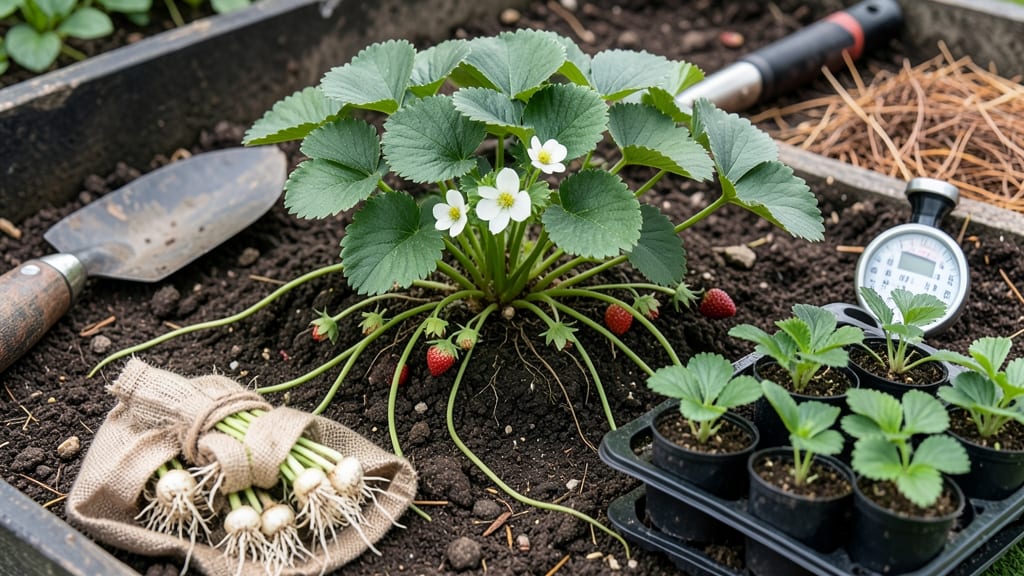
Planting strawberries in Ohio at the wrong time can mean the difference between a juicy summer harvest and frustrated waiting for berries that never quite ripen. The key to success lies in understanding your local climate—especially in USDA Zone 6a—where timing must align with frost dates and soil warmth.
Most Ohio gardeners know spring is the prime window for strawberries, but did you know fall planting can also work? I’ll break down the exact March-May window that delivers the best results, plus how to adjust if your season runs late.
Whether you’re planting bare-root crowns or potted varieties, these tips will help you avoid common mistakes that waste time and effort.
What makes Ohio’s growing season tricky? Unpredictable frost dates and variable soil temperatures can throw off even experienced gardeners. I’ll share how to check for readiness—like the 4-6 week rule before your last frost—and which strawberry types handle Ohio’s humidity best. Let’s get your strawberries off to the right start.
Ready to transform your garden into a strawberry powerhouse? You’ll discover how to prep your soil, space plants correctly, and protect them from Ohio’s late frosts. With the right approach, you could be enjoying homegrown 🍓 by June—and maybe even a second harvest in fall.
Ohio planting zones and best dates for strawberries
Ohio spans USDA zones 5b through 7a, meaning frost dates vary dramatically across the state.
In northern Ohio (zones 5b-6a), like Cleveland or Toledo, the last spring frost typically hits around April 15, while southern Ohio (zones 6b-7a), including Cincinnati and Columbus, can plant as early as March 1 in mild winters.
For June-bearing varieties, the sweet spot is planting 4-6 weeks before your last frost date.
This means mid-March to early April in most of Ohio. Everbearing varieties, however, are more flexible and can handle late spring plantings up to late April—just be prepared to protect them if frost threatens.
The key to success isn’t just the calendar—it’s soil temperature. Strawberries need soil that’s at least 40°F (4°C) for roots to establish. Use a soil thermometer to confirm readiness, especially in northern Ohio, where cold snaps can delay planting.
Ohio’s fall planting window (for next year’s harvest) runs from August 15 to September 15, but only in southern Ohio zones (6b-7a). In colder northern zones, fall planting is risky due to early frosts—stick to spring planting there.
Here’s a quick zone-by-zone breakdown to avoid common mistakes:
| Zone | Last Frost | Best Planting Window | Notes |
|---|---|---|---|
| 5b (Northern OH) | April 15 | April 1–April 15 | Wait for soil ≥40°F; use row covers if frost threatens. |
| 6a (Central OH) | April 1 | March 15–April 1 | Ideal for June-bearing; mulch heavily in winter. |
| 6b–7a (Southern OH) | March 15 | February 28–March 31 | Fall planting possible; everbearing thrives here. |
If you’re planting bare-root strawberries, soak the roots for 2–4 hours before planting to kickstart growth. For potted plants, harden them off for 3–5 days before transplanting to avoid shock. Both methods work, but bare-root plants are cheaper and often more vigorous.
Pro tip: In northern Ohio, opt for June-bearing varieties like ‘Jewel’ or ‘Honeoye’—they produce one massive harvest and handle colder soils better. Southern Ohio gardeners can experiment with everbearing ‘Seascape’ for year-round fruit if managed carefully.
Watch for soil readiness signs: Earthworms returning, soil crumbling easily, and temperatures consistently above 40°F (4°C) for a week. These cues beat guessing dates from a calendar.
Once planted, mulch heavily with straw to retain moisture and protect roots from temperature swings. In northern Ohio, add an extra layer of mulch in late fall to insulate plants through winter.
Timing your strawberry planting right in Ohio isn’t just about avoiding frost—it’s about giving your plants the head start they need to outpace Ohio’s disease pressure and pests. With these zone-specific dates, you’ll be harvesting sweet, juicy berries instead of struggling with stunted growth.
How to adjust planting for Ohio’s unpredictable weather patterns
Ohio’s spring can swing from freezing nights to unseasonable warmth in a single week—making strawberry planting a delicate balance. The key is flexibility. If your last frost date slips past April 15, don’t panic. Adjust your planting strategy to match your local climate patterns rather than rigid calendars.
For bare-root plants, soak roots overnight before planting, then cover with row covers or straw mulch to protect from late frosts. If you’re planting potted strawberries, harden them off gradually by exposing them to outdoor conditions for 3-5 days before final planting to avoid shock from temperature swings.
Use cold frames or mini greenhouses to extend your planting window by 2-3 weeks in early spring. These create microclimates that trap heat during the day and protect plants at night. For late starts, opt for everbearing varieties like 'Seascape', which tolerate cooler soils better than June-bearing types.
Test your soil’s readiness with the finger test: Push your finger 1-2 inches deep. If the soil feels cool but not icy, and excess water drains within 1-2 hours, it’s safe to plant. Pair this with a soil thermometer to confirm temperatures meet the 45°F threshold.
For container gardening, use black pots to absorb heat faster and plant in south-facing spots to maximize warmth. If frost threatens after planting, drape frost cloth over containers—it’s lighter than row covers and lets sunlight through for photosynthesis.
Remember: Ohio’s humidity and rain can also delay planting. Avoid working wet soil—it compacts easily and smothers roots. Schedule planting for dry, overcast days to reduce stress on young plants.