
Plants
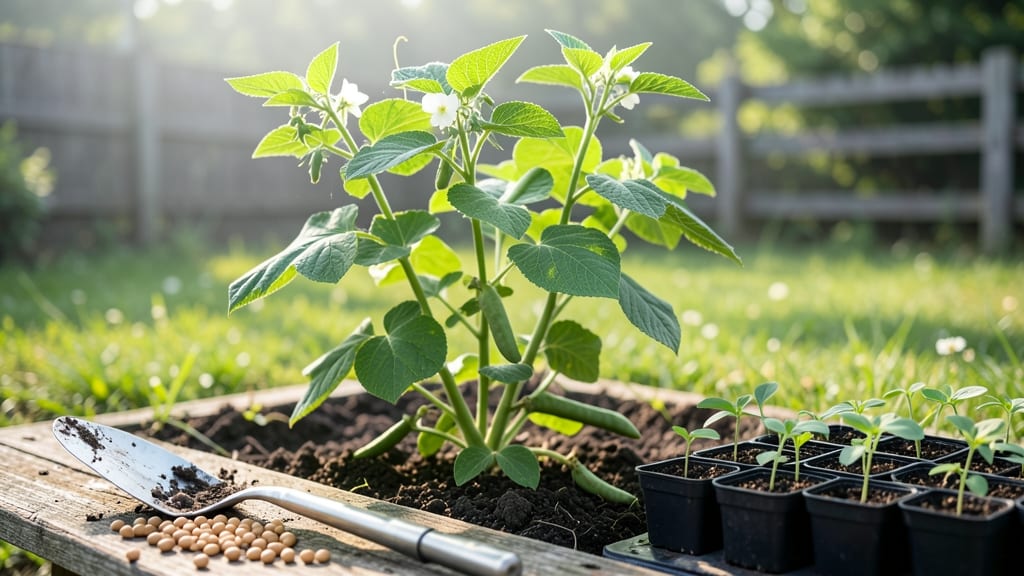
Timing your soybean planting in Alabama can make or break your harvest—get it wrong, and you risk stunted growth, poor yields, or even total crop failure.
With Alabama’s USDA Zones 7a-8b offering a generous growing window, knowing exactly when to plant is the key to thriving 🌱 fields and healthy pods.
Most Alabama farmers swear by planting between mid-April and early July, but the best window depends on your specific region. Too early, and a late frost could wipe out your seedlings; too late, and your plants might not mature before the first frost in November.
The secret lies in waiting until soil temperatures hit at least 60°F—a threshold that varies by county.
In this guide, I’ll break down the exact planting dates for North vs. South Alabama, including how to adjust for microclimates and weather patterns.
You’ll learn when to start seeds indoors, how to prep your soil for maximum germination, and the 5 biggest mistakes that ruin soybean crops—even for experienced growers.
Whether you’re a backyard gardener or a large-scale farmer, getting your planting schedule right means bigger yields, fewer headaches, and more profit at harvest. Let’s dive into the zone-specific strategies that work in Alabama’s climate.
Optimal soybean planting dates by Alabama growing zones (5-8a)
Alabama’s diverse climate means soybean planting dates vary dramatically from North Alabama’s cooler zones (5a-6a) to South Alabama’s warmer regions (7a-8a). Getting the timing right ensures healthy germination and maximum yield potential. Let’s break down the ideal windows by zone, including soil temperature thresholds and frost risk factors.
For USDA Zone 5a-6a (Northern Alabama), the safest planting window is mid-April to early May. This aligns with soil temperatures reaching 60°F+ and reduces frost risk. Early varieties (maturity group 4) can handle slightly cooler soils, but avoid planting before April 15 unless you’re using row covers.
Zone 7a-8a (Central/Southern Alabama) offers a longer window—early April to late June. Here, you can plant early-season varieties (groups 4-5) as soon as soil warms, while late-season varieties (groups 6-7) can go in until early July for fall harvests.
🌱
| Zone | Ideal Planting Window | Soil Temp Threshold | Maturity Groups | Frost Risk |
|---|---|---|---|---|
| 5a-6a | Mid-April to early May | 60°F+ | 4-5 | High (late frost risk) |
| 7a | Early April to late May | 60°F+ | 4-6 | Moderate |
| 7b-8a | Early April to early July | 60°F+ | 4-7 | Low |
| 8b | Late March to late June | 58°F+ | 5-7 | Minimal |
In Zone 5a-6a, I always recommend waiting until after the last frost date (typically March 15 but varies yearly). Use a soil thermometer to confirm temperatures—soybeans won’t germinate well below 60°F.
For Zone 7a-8a, you can push earlier with row covers or black plastic mulch to warm the soil faster.
For late-season planting (June-July), focus on short-season varieties (maturity groups 6-7) to avoid early fall frosts. These can still produce decent yields if planted by July 1 in Southern Alabama. However, avoid planting after July 15—plants won’t mature before frost.
Pro tip: Use Alabama A&M Extension’s planting calendar for real-time updates on frost dates and soil conditions. Their free online tools adjust for your exact ZIP code, accounting for microclimates that can shift planting windows by 1-2 weeks.
🌿
If you’re growing double-crop soybeans after wheat, aim for early April planting in Zone 7a-8a. This gives you enough time for wheat harvest and soybean establishment before summer heat sets in. Just be prepared to irrigate aggressively during dry spells—soybeans planted in June need consistent moisture to avoid stress.
Finally, don’t overlook seed treatment. In Alabama’s humid climate, fungal diseases like Phytophthora thrive in cool, wet soils. Treating seeds with fungicides before planting in Zone 5a-6a can save your crop if germination is slow.
✂️
How to adjust planting dates for Alabama’s microclimates and weather patterns
Alabama’s diverse geography means coastal areas like Mobile experience milder winters, while inland zones like Huntsville face harsher frost risks. These differences demand flexible planting strategies to avoid cold snaps or summer droughts.
For example, coastal farmers can safely plant early-maturing varieties as early as mid-March, while North Alabama growers should wait until mid-April.
Use a 10-day forecast tool like the Alabama A&M Extension website to track soil temperatures. Soybeans need consistent 60°F+ soils for germination—planting too soon in cool soils leads to poor emergence and fungal diseases.
I recommend waiting until the average daily low stays above 55°F for 3 consecutive days.
🌱
⚠️ Warning: Coastal vs. Inland Risks
Coastal Areas: Hurricane delays can flood fields—plant late May for safety. Inland Areas: Late frosts after April 15th are common—use row covers if planting early.
For drought-prone regions (e.g., Southeast Alabama), prioritize early planting to establish roots before summer heat. I’ve seen yields drop by 30% when planting after June 15th without adequate irrigation. Use a soil moisture sensor to confirm 1-2 inches of water per week during dry spells.
Adjust for maturity groups: Group 4-5 varieties (e.g., Bragg) thrive in North Alabama with 90-day growing seasons, while Group 6-7 (e.g., Dare) suit South Alabama’s longer summers. Plant Group 6 no later than June 1st to avoid pod abortion from heat stress.
Pro tip: Calculate your planting window using the formula (Last Frost Date + 14 Days) – Maturity Days. For example, in USDA Zone 7b (e.g., Birmingham), subtract 90 days from November 15th (first frost) to get your latest safe planting date of August 15th for Group 5 varieties.
Always monitor NOAA’s Climate Prediction Center for La Niña/El Niño patterns—these shift Alabama’s rainfall and temperature trends. In El Niño years, expect cooler, wetter springs and delay planting until mid-April to avoid waterlogged soils.