
Plants
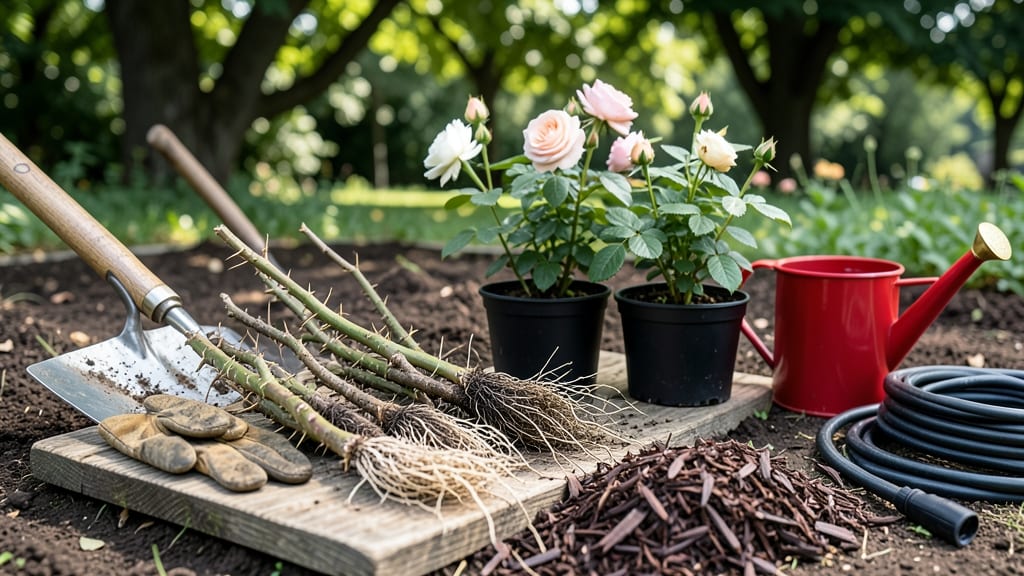
If you're dreaming of a Texas garden bursting with fragrant 🌹 roses, timing your planting could make all the difference between lush blooms and struggling shrubs.
The best window for planting these beauties in Texas isn't just about the calendar—it's about beating the brutal summer heat while giving roots time to settle before winter chill sets in.
Most Texas gardeners swear by late fall to early spring as the sweet spot, but the exact months depend on where you live in the Lone Star State.
Whether you're in frost-prone North Texas or the milder South Texas coast, knowing your heat zone helps you avoid common pitfalls like transplant shock or winter damage. Let me break down the ideal planting schedule so you can give your roses the best possible start.
You might think spring is the obvious choice, but that's when Texas temperatures can soar—stressing young plants before they've had a chance to establish. Instead, we'll explore why fall planting often yields stronger, more resilient roses, plus how to adjust for your specific microclimate.
Ready to transform your garden with vibrant blooms year after year?
From soil prep tricks to variety selection, I'll share the game-changing strategies Texas gardeners use to ensure their roses thrive despite the state's extreme conditions. Whether you're a seasoned green thumb or just starting your rose collection, these insights will help you plant with confidence.
Best months to plant roses in Texas by heat zone (USDA 8a-10b)
Texas spans USDA zones 8a through 10b, meaning frost dates vary wildly—from December 1 in North Texas to January 15 in South Texas. This diversity means your optimal planting window depends entirely on where you live.
Most Texas gardeners agree: late fall to early spring is the golden window for planting roses, but the specifics matter.
For North Texas (USDA 8a-8b), aim for October through early December to beat the first frost. In Central Texas (USDA 8b-9a), November to January works best, while South Texas (USDA 9b-10b) gardeners can plant year-round—but fall and winter still offer the best results.
The key is avoiding summer heat, which stresses young roots.
Here’s why fall planting wins in Texas: cooler temps let roots establish before summer, and winter rains provide natural hydration. But timing is critical—plant too late, and your roses may not root deeply enough before 100°F+ summers arrive. Let’s break it down by zone.
| USDA Zone | Best Planting Window | Key Considerations | Avoid Planting |
|---|---|---|---|
| 8a (North Texas: Amarillo, Lubbock) | October 15 – December 15 | First frost: December 1. Use mulch to protect roots. | April–June (extreme heat) |
| 8b (Central North Texas: Dallas, Waco) | November 1 – January 15 | First frost: November 15. Bare-root roses thrive here. | June–August (drought risk) |
| 9a (Central Texas: Austin, San Antonio) | November 15 – February 15 | Mild winters; stagger planting to avoid frost. | July–September (humidity + heat) |
| 9b–10a (South Texas: Houston, Corpus Christi) | December 1 – March 15 | Rare frost; year-round planting possible but fall is best. | May–June (hurricane season stress) |
| 10b (Deep South Texas: Brownsville, McAllen) | Year-round (peak: Sept–Nov) | No frost; heat-tolerant varieties recommended. | None (but avoid peak summer) |
If you’re in West Texas (e.g., El Paso, Midland), treat your garden like a high-desert zone. Plant in late fall (November–December) to take advantage of cooler nights and winter rains.
In contrast, East Texas (humid subtropical) benefits from fall planting (Sept–Oct) to avoid fungal diseases that thrive in summer humidity.
One common mistake? Planting in late spring (April–May). While roses can go in during this window, the 100°F+ heat stresses young plants, and established roots are critical for survival.
If you must plant in spring, choose heat-tolerant varieties like Knock Out roses and provide shade cloth for the first few weeks.
For urban gardeners, microclimates matter. A roof garden in Dallas may frost earlier than a ground-level bed in Austin. Always check your local Cooperative Extension Service for frost date averages and adjust accordingly. Pro tip: Bare-root roses planted in winter (Dec–Feb) often outperform container-grown roses in Texas heat.
Remember, soil temperature is just as important as air temperature. Aim for soil temps below 70°F when planting—use a soil thermometer if unsure. In North Texas, this means waiting until November; in South Texas, you can plant as early as September.
Finally, stagger your planting if possible. Planting every 2–3 weeks from October to December ensures a continuous bloom cycle the following year. This works especially well for climbing roses and grandiflora varieties, which need time to establish before their first big flush of blooms.
Best months to plant roses in Texas by heat zone (USDA 8a-10b)
Texas’s diverse climate—from the North Texas plains to the coastal humidity of Houston—means one planting time doesn’t fit all. While early fall (October–November) is the golden window for most regions, high-desert areas like El Paso thrive with winter planting (December–January), while South Texas’s milder winters allow late winter (February) success. Let’s break down the best months by USDA heat zone to ensure your roses establish strong roots before summer’s brutal heat.The key rule for Texas roses: plant when soil temps drop below 75°F and stay there. This prevents heat stress while giving roots time to grow before 100°F+ summers.
North Texas (USDA 8a) has earlier frost dates (Dec 1) than South Texas (USDA 10a, Oct 31), so timing shifts dramatically. For example, Mid-Central Texas (USDA 8b) gardeners should aim for October 15–November 15, while East Texas (USDA 8a) can stretch to November 30 due to later frosts.
🌹 Texas Rose Planting Calendar by Heat Zone
| USDA Zone | Region | Best Planting Months | Why This Timing? |
|---|---|---|---|
| 8a | North Texas (Dallas, Fort Worth) | October 15–November 15 | Soil cools; avoids summer heat and winter freezes. |
| 8b | Central Texas (Austin, San Antonio) | October 1–November 30 | Warmer winters allow later planting; avoid Dec freezes. |
| 9a | East Texas (Houston, Tyler) | November 1–December 15 | Humidity is lower; roots establish before spring rains. |
| 10a | South Texas (Corpus Christi) | January 1–February 15 | Mild winters; plant after coldest months. |
| 8b/9a | High Desert (El Paso) | December 1–January 31 | Cold nights; plant after first frost for spring blooms. |
⚠️ Pro Tip: Avoid planting in late spring (April–May)—soil is too hot, and roses burn out before establishing roots.
While fall planting is ideal, bare-root roses can handle winter planting (December–February) if you protect them from freezes with mulch or frost cloth. For container-grown roses, the rules relax slightly—you can plant anytime soil isn’t frozen, but spring (March–April) is safest for potted varieties.
Just water deeply after planting to reduce transplant shock.
Microclimates complicate things further. Urban areas like Dallas experience heat islands, where soil stays warmer longer—plant 2–4 weeks earlier than rural areas. Conversely, coastal zones (Galveston) have higher humidity, so delay planting until November to avoid fungal diseases.
Always check your local frost dates (use the Texas A&M AgriLife Extension maps) and adjust by ±2 weeks based on your yard’s shade or exposure.
One common mistake is rushing to plant in early fall (September) when soil is still warm. Test soil temps with a soil thermometer—aim for 60–70°F. If temps are above 75°F, wait 4–6 weeks or use shade cloth to protect young plants.
For high-desert areas, plant in December to take advantage of cool nights and warmer days, which mimic ideal growing conditions.
For urban gardeners, timing also depends on neighborhood heat pockets. A blacktop parking lot nearby? Soil heats up 10–15°F hotter than shaded yards—plant 3–4 weeks later than rural guidelines. Conversely, shaded yards can handle earlier planting (e.g., October 1 in Austin instead of October 15). Always