
Plants
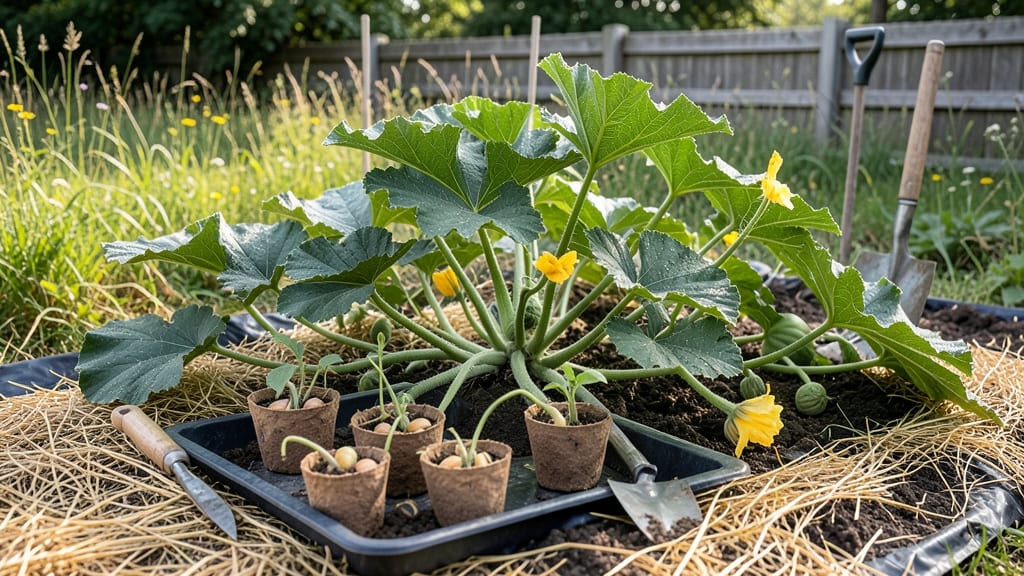
Knowing when to plant pumpkins in Kansas could mean the difference between a jack-o’-lantern-worthy harvest and a wasted season. With Kansas’ unpredictable weather—from late spring frosts to scorching summers—timing is everything for your 🎃 patch to thrive.
Most Kansas gardeners wait until late April or early June, after the last frost date (usually around April 15), but soil temperature is the real game-changer. Pumpkin seeds need warm soil—at least 60°F—to sprout, so don’t rush planting just because the air feels spring-like.
In this guide, I’ll break down the best planting windows for your USDA Zone (5b-7a), how to adjust for summer vs. winter squash varieties, and pro tips to beat Kansas’ tricky weather. Whether you’re growing ‘Howden’ for pies or ‘Cinderella’ for carving, timing is your secret weapon.
Ready to turn your garden into a pumpkin paradise? Let’s dig into the details so you can plant with confidence—and enjoy that first harvest before Halloween!
Kansas pumpkin planting dates by soil temperature and frost zones
Kansas’ variable climate makes soil temperature and frost-free dates your best guides for planting pumpkins. Most of the state falls within USDA Zones 5b-7a, where last frost dates range from mid-April in southern regions to early May in northern areas.
Pumpkin seeds need soil temps of 60°F+ to sprout reliably, so timing is critical.
For spring planting (most common), aim to sow seeds 2-3 weeks after your area’s last frost date. In Wichita (Zone 7a), this is typically late April, while Topeka (Zone 6a) gardeners should wait until early May.
Kansas City (Zone 6b) falls right in the middle, with ideal planting windows spanning mid-April to early May.
| Region | Last Frost Date | Ideal Planting Window | Soil Temp Requirement |
|---|---|---|---|
| Wichita (Zone 7a) | Mid-April | Late April - Early May | 60°F+ (consistent) |
| Topeka (Zone 6a) | Early May | Early May - Mid-May | 60°F+ (consistent) |
| Kansas City (Zone 6b) | Late April | Mid-April - Early May | 60°F+ (consistent) |
| Hays (Zone 5b) | Early May | Late May - Early June | 65°F+ (warmer soil needed) |
Use a soil thermometer to verify warmth before planting. Bury it 2 inches deep in a sunny spot for 3 consecutive days at 60°F+. Morning temps can be misleading—check in the late afternoon when soil is warmest.
If your soil is still cool, consider using black plastic mulch to warm it faster.
For fall harvests, some gardeners plant late-summer varieties in early July. These need 90+ days to mature before first frost (typically mid-October). Choose shorter-season varieties like ‘Jackpot’ or ‘Small Sugar’ for this approach, as they mature in 75-85 days.
Never plant pumpkins before April 15 unless you’re using row covers or a greenhouse, as even a light frost will kill young seedlings. If you’re unsure about your last frost date, check the Kansas State University Extension or local Cooperative Extension Service for updated data each year.
Pro tip: Mark your calendar 2 weeks before your target planting date to prepare soil. Work in compost and a balanced fertilizer (10-10-10) to give vines a nutrient boost. Pumpkins are heavy feeders, so rich soil means bigger, healthier fruits.
Watch for unpredictable late frosts in Kansas, especially in Zone 5b areas. If frost threatens after planting, cover seedlings with frost cloth or a lightweight blanket until temps rise. A 50°F night can stunt growth, while 32°F or below will kill young plants.
Remember: Pumpkins need space. Plan for 100+ square feet per plant to accommodate sprawling vines. In small gardens, opt for bush varieties like ‘Muskett’ or ‘Baby Boo’ to save space while still getting a harvest.
🌱
Best pumpkin varieties for Kansas growers and their unique planting needs
Choosing the right pumpkin variety for Kansas ensures your plants thrive despite short growing seasons and variable weather. Some varieties mature faster, while others handle heat better—critical for Kansas’ USDA Zones 5b-7a. Let’s break down the best options and their ideal planting windows.
For early harvests, opt for ‘Howden’ pumpkins, which mature in just 75-80 days. These are perfect if you’re planting late or want to avoid frost. Meanwhile, ‘Sugar Pie’ varieties take 90-100 days but produce sweet, small pumpkins ideal for pies and carving.
If you’re aiming for large jack-o’-lanterns, ‘Cinderella’ is a Kansas favorite, with a 90-100 day maturity and excellent disease resistance. For heat tolerance, consider ‘Jack Be Little’, a compact variety that thrives in Kansas’ summer heat and matures in 80-85 days.
| Variety | Days to Maturity | Best Planting Window | Kansas Strengths |
|---|---|---|---|
| Howden | 75-80 | Late May-June | Fast growth, early harvest |
| Sugar Pie | 90-100 | Early May | Sweet, small fruit, versatile |
| Cinderella | 90-100 | Late April-May | Large size, disease-resistant |
| Jack Be Little | 80-85 | Early June | Heat-tolerant, compact |
For fall planting (if you’re daring!), ‘Small Sugar’ pumpkins can be sown in late July for a late-October harvest. However, this requires row covers to protect against early frost.
Always check your local frost dates—Kansas City’s last frost is typically April 15, while western Kansas can be 2 weeks later.
Pro tip: If you’re planting ‘Cinderella’ or similar large varieties, start seeds indoors 2-3 weeks before your last frost date. This gives them a head start in Kansas’ cool spring soils. Use biodegradable pots to avoid transplant shock when moving them outdoors.
Remember, soil temperature matters just as much as air temperature. Use a soil thermometer to confirm your soil is at least 60°F before planting—cold soil delays germination, wasting precious growing time in Kansas’ short season.