
Plants
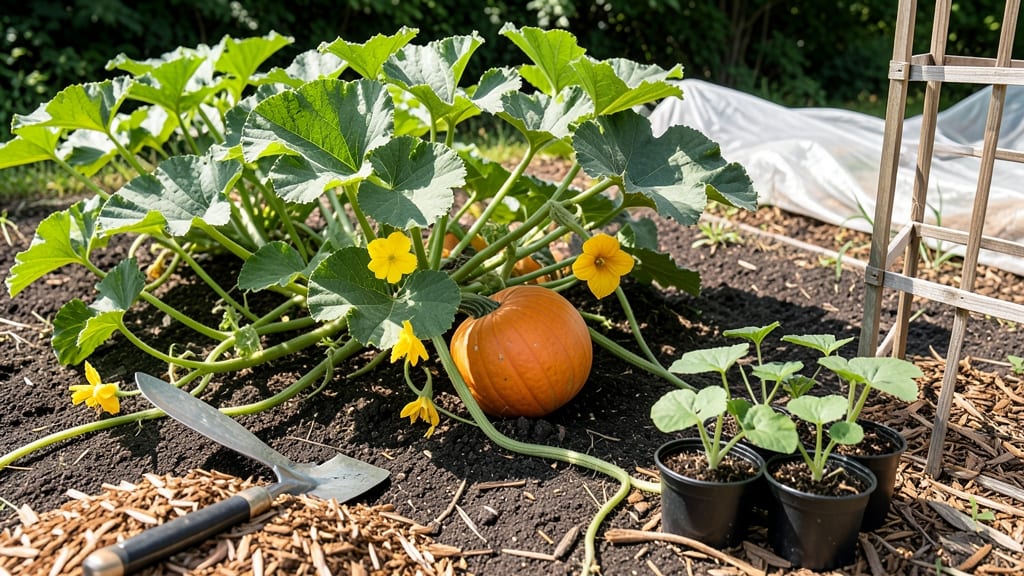
Planting pumpkins in Indiana at the wrong time can turn your garden dreams into a pumpkin patch of disappointment—especially when late frosts or early heat waves throw off your timing. With Indiana’s USDA zones 5b-6b and unpredictable spring weather, knowing the exact window matters more than you might think.
Most Indiana gardeners swear by mid-April to early June as the sweet spot—after the last frost (typically around April 15) and once soil temperatures hit a steady 60°F.
But here’s the catch: not all pumpkins are created equal. Bush varieties and short-season types can handle cooler starts, while sprawling vines like giant jack-o’-lanterns need warmth to thrive.
In this guide, I’ll break down the frost-free timeline for Indiana’s two main regions, plus how to adjust for early or late planting.
Whether you’re starting seeds indoors for a head start or diving straight into the soil, you’ll learn the tricks to beat Indiana’s weather quirks and still end up with a harvest ready by October.
Ready to turn your backyard into a 🎃 goldmine? Let’s dig into the exact dates, soil prep secrets, and variety choices that’ll make your pumpkins the talk of the neighborhood.
Indiana pumpkin planting timeline by frost dates and variety type
Indiana’s USDA zones 5b-6b mean pumpkins need precise timing—plant too early and frost zaps tender seedlings, too late and vines struggle to mature before first frost (mid-October).
The last average frost date in most of Indiana is April 15, but soil temperature must reach 60°F+ for seeds to germinate. Northern Indiana (zones 5b) has a shorter growing season (130-150 days), while southern Indiana (zone 6b) enjoys 150-170 frost-free days—critical for long-maturing varieties.
For direct sowing outdoors, aim for mid-April to early June after the last frost. Northern Indiana gardeners should stick to short-season varieties (75-90 days), while southern Indiana can handle longer-season types (up to 110 days). Bush varieties (like ‘Jack Be Little’) mature faster than vining types, making them ideal for cooler climates.
🎃 Indiana Pumpkin Planting Timeline by Region & Variety
| Region | Last Frost Date | Planting Window | Best Varieties | Days to Maturity |
|---|---|---|---|---|
| Northern Indiana (Zones 5b) | April 15–May 1 | Mid-May to early June | ‘Jack Be Little’, ‘Sugar Pie’, ‘Waltham Butternut’ | 75–90 days |
| Central Indiana (Zones 5b-6a) | April 1–April 15 | Late April to mid-May | ‘Howden’, ‘Cinderella’, ‘Small Sugar’ | 85–100 days |
| Southern Indiana (Zone 6b) | March 20–April 1 | Early April to late May | ‘Long Island Cheese’, ‘Giant Cabbage’, ‘Autumn Gold’ | 90–110 days |
💡 Pro Tip: Use a soil thermometer to confirm 60°F+ soil before planting—cold soil delays germination by weeks.
Vining pumpkins (like ‘Long Island Cheese’) need 90-110 days and thrive in southern Indiana’s longer season, while bush varieties (like ‘Jack Be Little’) mature in 75-90 days, perfect for northern Indiana’s shorter window. Heat-tolerant varieties (e.g., ‘Autumn Gold’) handle Indiana’s summer heat waves better than traditional types.
If you’re starting seeds indoors, begin 4-6 weeks before your last frost date. Northern Indiana gardeners should start seeds by March 15, while southern Indiana can wait until late March.
Use biodegradable pots to avoid transplant shock when moving seedlings outdoors after all danger of frost has passed.
Soil preparation is key—amend your garden bed with compost or aged manure to ensure well-draining, nutrient-rich soil. Pumpkins thrive in sandy loam with a pH of 6.0-6.8. Test your soil in early spring to adjust pH or fertility before planting. Raise beds in cooler microclimates to warm soil faster and improve drainage.
For container growing, choose large pots (5+ gallons) and plant one seed per container. Dwarf varieties like ‘Minnesota Golden’ work well in containers but still need full sun (6+ hours). Containers dry out faster, so monitor soil moisture closely—water deeply 2-3 times per week during dry spells.
Indiana’s microclimates can vary by 10°F+ within a few miles, so observe your local frost patterns for 3+ years to refine your planting schedule. Urban areas often experience earlier last frosts due to the urban heat island effect, while rural areas may see later frosts.
Use a frost calendar from your local Cooperative Extension office for hyper-localized advice.
Remember: Pumpkins are warm-season
How to adjust planting dates for Indiana’s unpredictable weather patterns
Indiana’s spring frost dates can shift 2-3 weeks from year to year, leaving gardeners scrambling to time pumpkin planting just right. If you’ve ever watched your seedlings wilt from a late frost or struggled with stunted growth from early heat, you’re not alone.
The key to success lies in flexible planting strategies that account for Indiana’s microclimates and unpredictable weather.
Northern Indiana (USDA Zone 5b) typically sees its last frost around April 25, while Southern Indiana (Zone 6b) averages April 15. However, these dates are guidelines only—actual frost dates can vary by 10-14 days.
To hedge your bets, I recommend using a two-phase planting approach: start seeds indoors 4-6 weeks before your expected last frost date, then transplant hardened-off seedlings outdoors after all danger of frost has passed.
⚠️ Callout Warning
Late frost risk: If nighttime temperatures dip below 50°F after planting, cover young seedlings with frost blankets or row covers. Pumpkin seedlings can tolerate brief chills but will stunt or die if exposed to prolonged cold.
Early heat risk: Planting too early in Southern Indiana (where soil warms faster) can cause seeds to rot if soil temps exceed 85°F. Wait until soil reaches at least 60°F—use a soil thermometer to check!
For gardeners in Northern Indiana, where summers are shorter, opt for shorter-season varieties like 'Jack Be Little' (75 days) or 'Small Sugar' (85 days). These varieties can mature before the first frost in mid-October.
In Southern Indiana, where the growing season extends longer, you have more flexibility to choose larger varieties like 'Howden' or 'Cinderella', which thrive with 90-110 days of warmth.
Another trick I swear by is succession planting for extended harvests. Plant a second batch of seeds 2-3 weeks after your initial planting if your season stretches into early July.
This ensures you’ll have pumpkins ready for harvest before the first frost, even if your first batch faces powdery mildew or cucumber beetles mid-season.
Don’t forget to monitor soil moisture during germination—pumpkin seeds need consistent moisture to sprout, but they’ll rot if overwatered. Aim for 1 inch of water per week, delivered in the morning to reduce fungal risks.
If your area experiences drought-like conditions in late summer, prioritize watering pumpkins over other crops, as they’re high-water users during fruiting.
By combining flexible planting dates, protective covers, and variety selection, you can turn Indiana’s unpredictable weather into an advantage. Even if Mother Nature throws a curveball, these strategies will help you maximize your pumpkin harvest—whether you’re carving jack-o’-lanterns or baking pies! 🎃