
Plants
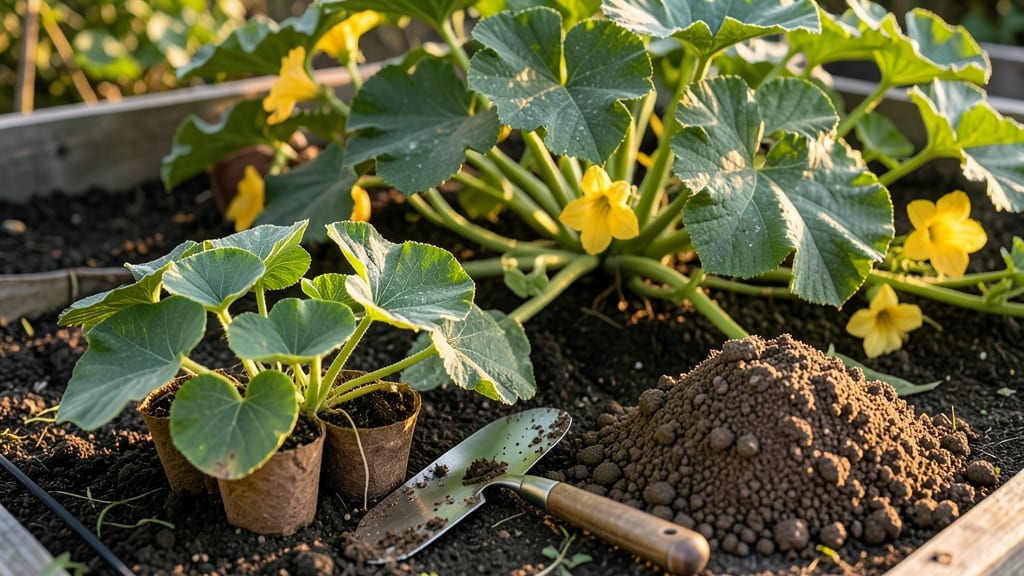
Planting pumpkins in Illinois at the wrong time could mean the difference between a 🎃 jack-o'-lantern-worthy harvest and a sad, frost-nipped vine.
The key to success lies in understanding your USDA 5b-6b zone and when the soil warms enough for those seeds to sprout—usually after your last frost date, which typically falls around mid-April in most areas.
But here's the catch: Illinois gardeners have a narrow window—mid-April to early June—to get seeds in the ground before summer heat sets in. Too early, and frost will kill tender seedlings; too late, and your pumpkins won’t mature before the first frost in October.
I’ll break down the exact timing, soil temperature secrets, and how to adjust for your specific region.
Whether you’re a first-time gardener or a seasoned pro, knowing when to plant isn’t just about the calendar—it’s about soil warmth, frost-free days, and choosing the right varieties for your area. Let’s dive into the steps to ensure your pumpkin patch thrives this growing season.
From direct-sowing tips to extending your harvest with cold-hardy varieties, you’ll learn how to beat Illinois’ unpredictable weather and grow pumpkins that’ll make your neighbors green with envy. Ready to dig in?
Illinois pumpkin planting timeline: frost dates & best months by region
Timing your pumpkin planting in Illinois depends on your USDA hardiness zone (typically 5b-7a) and your last frost date. Most Illinois gardeners should aim to plant after May 15 to avoid late spring frosts that can kill tender seedlings.
Northern Illinois (Zones 5-6) has a shorter growing season, while southern Illinois (Zone 7) can start slightly earlier.
For direct-sown pumpkins, wait until the soil temperature reaches 60-65°F—usually late May to early June. If you're starting seeds indoors, begin them 2-4 weeks before your last frost date (around mid-April) for transplanting after danger of frost has passed.
Pumpkins need 90-120 days to mature, so count backward from your first frost date (typically mid-October in Illinois). This ensures your pumpkins won’t be caught in early fall cold snaps.
For example, if your first frost is October 15, plant by July 15 for a 90-day variety like 'Howden' or 'Small Sugar.'
Here’s a quick region-specific breakdown to help you plan:
| Region | USDA Zone | Last Frost Date | Best Planting Window | Harvest Window |
|---|---|---|---|---|
| Northern IL (Chicago, Rockford) | 5b-6a | Mid-April | Late May - Early June | Late Sept - Early Oct |
| Central IL (Peoria, Springfield) | 6a-6b | Early April | Early May - Mid-June | Mid-Sept - Late Oct |
| Southern IL (St. Louis, Carbondale) | 7a-7b | Mid-March | Late April - Early June | Late Sept - Mid-Nov |
If you’re in Zone 5b (like northern Illinois), opt for faster-maturing varieties like 'Jack Be Little' (75 days) or 'Autumn Gold' (85 days). For Zone 7a, you can even try larger varieties like 'Cinderella' (110 days) if planted by mid-May.
Pro tip: Use frost-free date calculators like the Old Farmer’s Almanac or your local Cooperative Extension office for precise dates. These tools account for microclimates (e.g., urban areas may be 2-3°F warmer than rural zones).
For gardeners in Zone 6b or warmer, you can push your planting window 2 weeks earlier if you use row covers or black plastic mulch to warm the soil faster. Just remove covers once seedlings emerge to prevent overheating.
Remember, pumpkin vines spread aggressively—plan for 10-20 feet of space per plant! If space is limited, choose bush varieties like 'Wee-B-Little' (3-5 ft vines) or 'Minnesota Golden' (8-10 ft vines).
Finally, mark your calendar for late September when pumpkins typically reach harvest readiness. Watch for hardened rinds and drying stems—these are your cues that it’s time to carve or store!
Soil temperature & pumpkin seed germination: what Illinois gardeners must know
Pumpkin seeds in Illinois need warm soil to germinate—60-65°F is the sweet spot. If your soil is cooler, seeds may rot or fail to sprout. I’ve learned the hard way that rushing planting because of frost dates won’t work if the ground isn’t ready!
Use a soil thermometer to check depth (1-2 inches down). Most Illinois gardeners hit that 60°F threshold between late May and early June, but southern regions like USDA Zone 6b may warm up earlier. Northern areas (Zone 5b) often wait until June.
🌱 Pro Tip: If your soil is too cold, try black plastic mulch or row covers to warm it faster. I’ve seen 5-7°F temperature boosts within days using these tricks!
⚠️ Cold Soil = Failed Germination
Never plant pumpkins in below-55°F soil—seeds won’t sprout. Wait patiently for warmth or use heat mats for container starts. Overwatering cold soil accelerates rot!
For direct sowing outdoors, aim for after Memorial Day in most of Illinois. If you’re starting seeds indoors (4-6 weeks before last frost), use a heat mat to maintain 70-75°F soil temps—this speeds germination from 7-10 days to just 4-6 days!
Watch for seedling leaves (first true leaves) to confirm successful germination. If you see only cotyledons (seed leaves) after 2 weeks, your soil may still be too cool. Adjust your planting date or use warmth-boosting techniques.
💧 Watering Tip: Once sprouted, keep soil consistently moist (not soggy) to prevent damping-off disease. I use a gentle spray bottle for seedlings to avoid disturbing tender roots.