
Plants
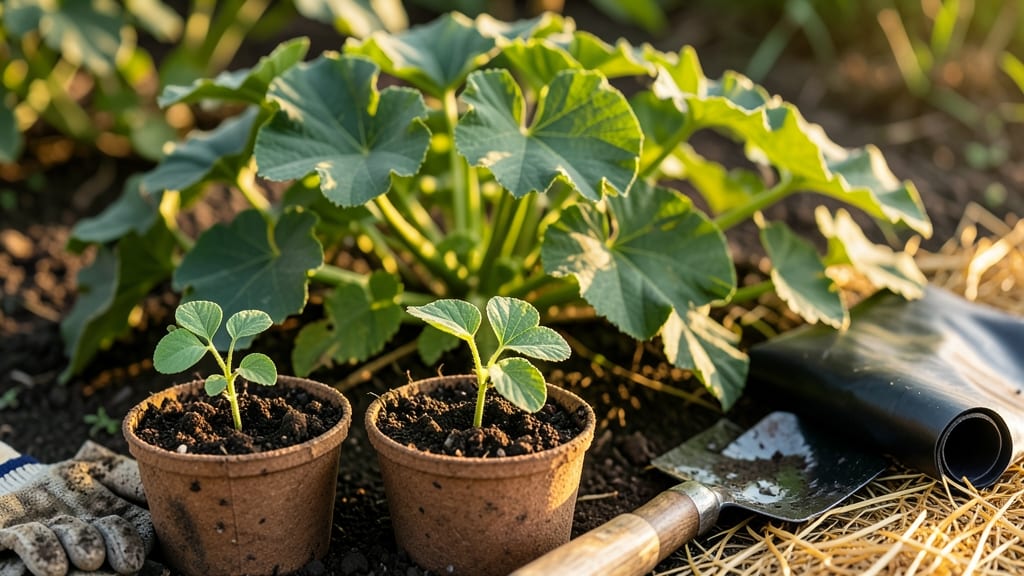
Planting pumpkins in Arizona isn’t just about timing—it’s about outsmarting the desert’s intense heat to avoid the dreaded bolt, where flowers drop before fruit sets. With the right schedule, you can grow thriving 🎃 vines that produce sweet, plump pumpkins despite the 110°F+ summers.
The key to success lies in planting during Arizona’s cooler months, when soil temperatures hit at least 70°F—typically between mid-February and mid-March for spring harvests or September for fall.
This window ensures your pumpkins establish roots before the scorching sun kicks in, giving them the best shot at survival and productivity.
But here’s the catch: Arizona’s microclimates vary wildly, from Phoenix’s low desert to Tucson’s high-desert pockets. What works in USDA Zone 9b one valley might fail just 20 miles away.
I’ll break down the exact planting strategies for your specific area, so you can skip the guesswork and enjoy a bountiful harvest.
Ready to turn your backyard into a pumpkin patch? Let’s dive into the desert-proven schedule that keeps your vines happy, your flowers blooming, and your kitchen stocked with homegrown goodness all season long.
Optimal pumpkin planting times in Arizona to avoid bolting
Arizona’s desert climate demands precise timing for pumpkin planting—get it wrong, and you’ll face bolting (premature flowering) or stunted growth. Unlike northern states, Arizona’s frost-free year-round conditions mean you can plant twice: spring for summer harvests or fall for Halloween jack-o’-lanterns. But timing soil warmth and heat tolerance is critical.
Most Arizona gardeners swear by September planting for fall harvests, but your exact window depends on your region. Phoenix’s low desert (Zone 10a) can handle earlier plantings than Tucson’s high desert (Zone 7b). Even a 5°F soil temperature difference can mean the difference between thriving vines and bolted flowers.
Here’s the golden rule: Wait until soil reaches 70°F+ before planting. Use a soil thermometer—Arizona’s surface temps can be misleading. For direct-sown seeds, aim for mid-February to mid-March in the low desert or late March to early April in higher elevations like Flagstaff.
For fall planting, September is ideal—seeds sprout faster in warm soil, and vines mature before winter’s rare chills. But if you’re growing heat-tolerant varieties like ‘Small Sugar’ or ‘Jack Be Little’, you can even plant as late as early October in Phoenix.
🎃 Pro Tip: Use black plastic mulch to raise soil temps by 10-15°F, letting you plant 2-3 weeks earlier without risking cold damage.
| Region | Best Planting Window | Soil Temp Threshold | Heat Tolerance Tip |
|---|---|---|---|
| Phoenix/Low Desert | Mid-Feb to Mid-Mar (spring) or Early Sept (fall) | 70°F+ | Use shade cloth for seedlings; mulch heavily |
| Tucson/High Desert | Late Mar to Early Apr (spring) or Late Aug (fall) | 65°F+ | Choose dwarf varieties; extend season with row covers |
| Yuma/Extreme Low Desert | Jan-Feb (spring) or Sept-Oct (fall) | 60°F+ (earlier possible) | Drip irrigation essential; avoid overhead watering |
Avoid the #1 mistake: Planting too early when soil is still cool. Even if air temps feel warm, soil thermometers are your best friend. Cool soil slows germination, inviting fungal diseases like damping-off. In my Phoenix garden, I’ve lost entire seed trays by ignoring this rule.
For container growing, adjust timelines by 2-3 weeks earlier—pots warm up faster. But ensure containers are at least 5 gallons per plant to prevent root-bound stress. Black fabric pots work wonders for heat retention in Arizona’s 110°F+ summers.
🌱 Variety Matters: ‘Cinderella’ (white pumpkin) handles heat better than ‘Howden’, while ‘Jack Be Little’ is perfect for small spaces. Always check seed packets for “heat-tolerant” labels.
If you’re in high-altitude Arizona (e.g., Sedona), push planting to late April to avoid unpredictable spring chills. Monitor local CoCoRaHS weather stations for microclimate data—your neighbor’s yard might be 5°F warmer than yours!
Optimal pumpkin planting times in Arizona to avoid bolting
Arizona’s desert climate demands precision timing for pumpkin planting to prevent bolt (flower drop). Unlike cooler regions, Arizona’s soil temperature must reach 70°F+ before planting—any earlier risks stunted growth.
The ideal window shifts by region, with Phoenix and Tucson favoring late summer/fall (September–October) for cooler harvests, while Yuma’s extreme heat may require spring planting (February–March) with shade protection.
Desert varieties like 'Small Sugar' or 'Jack Be Little' thrive in Arizona’s heat but need consistent moisture and mulch to survive. High-elevation areas (e.g., Flagstaff) can plant slightly earlier, but most low-desert zones should wait until September to align with cooler nights and reduced evaporation.
Timing wrong? Your pumpkins may bolt prematurely, leaving you with bitter, undersized fruit.
🌡️ Arizona Pumpkin Planting by Region
| Region | Best Planting Window | Soil Temp Threshold | Heat Tips |
|---|---|---|---|
| Phoenix/Tucson (Low Desert) | September 1–15 | 70°F+ | Use black plastic mulch |
| Yuma (Extreme Heat) | February 15–March 15 | 75°F+ | Shade cloth for seedlings |
| Flagstaff (High Desert) | August 15–September 1 | 65°F+ | Extend season with row covers |
💡 Pro Tip: Test soil temp with a soil thermometer—Arizona’s sandy soil heats up 3x faster than clay!
For direct sowing, scatter seeds 1 inch deep in hills spaced 4–6 feet apart—pumpkins need room to sprawl. If starting indoors, begin seeds 4–6 weeks before your target planting date under grow lights (Arizona’s short winter days limit natural light).
Harden off seedlings for 10–14 days before transplanting to avoid transplant shock in the desert sun.
Watch for heat stress signs like yellowing leaves or drooping vines—these mean your pumpkins are bolting. Adjust by providing afternoon shade or switching to heat-tolerant varieties like 'Cinderella'. In Yuma’s 110°F+ summers, spring planting is your best bet, but mulch heavily to keep roots cool.
Harvest timing varies by variety: dwarf pumpkins (e.g., 'Jack Be Little') mature in 75–85 days, while giant types like 'Howden' take 100+ days. Aim to harvest before October’s cool snaps (even Arizona gets chilly nights!).
Use a serrated knife to cut stems—never twist—then cure pumpkins in 80°F for 10 days to extend shelf life.
Missed the fall window? Try winter planting (December–January) in cooler microclimates like Sedona, but expect smaller yields due to shorter daylight. The key to Arizona pumpkin success? Timing + patience—your 🎃 harvest will thank you!