
Plants
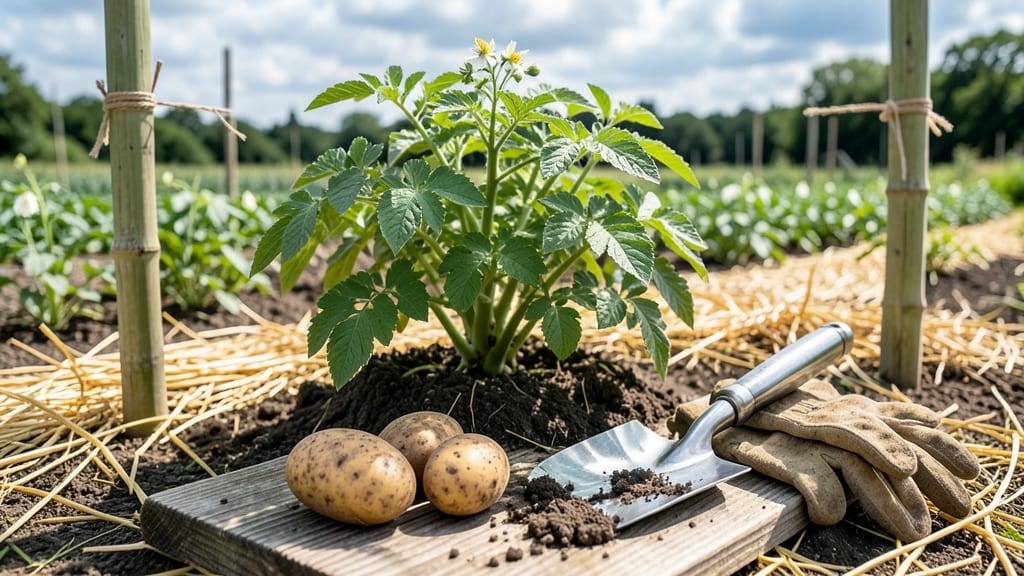
If you've ever wondered when to plant potatoes in Kentucky, timing is everything—especially in Zone 6a where frost can sneak up faster than you think. The wrong window means wasted seed potatoes or stunted harvests, but get it right, and you’ll enjoy crisp, homegrown 🥔 all summer long.
Kentucky’s humid springs and unpredictable weather make potato planting a game of patience. Planting too early risks frost damage, while waiting too long cuts your growing season short.
The key is knowing your last frost date—typically around March 15—and preparing your soil weeks in advance for the ideal 45°F temperature.
In this guide, I’ll break down the best planting windows for Kentucky’s climate, from early-spring varieties to cold-hardy options that thrive in cooler soil. You’ll also discover how to adjust for humidity, soil types, and even microclimates in your garden.
Whether you’re a first-time gardener or a seasoned grower, these tips will help you maximize your yield—so you can enjoy fresh potatoes from July through September without the guesswork.
Kentucky’s best potato planting dates by Zone and variety type
Kentucky’s USDA Zones 5b-7a create a tight planting window for potatoes, where timing directly impacts your harvest success. Most gardeners aim to plant 2-4 weeks before the last frost date, typically between mid-March and early April.
However, Kentucky’s humid climate and variable springs mean you’ll need to adjust based on your specific microclimate and potato variety.
For northern Kentucky (Zone 5b-6a), where frosts linger longer, start seed potatoes indoors in late February or plant outdoors in early April.
In central and southern Kentucky (Zone 6b-7a), you can plant outdoors as early as mid-March, giving you a 2-3 week head start on cooler regions. The key is waiting until soil temperatures reach 45°F (7°C)—cold soil slows sprouting and invites rot.
Potatoes thrive in Kentucky’s long growing season, but they need 90-120 frost-free days to mature. Early varieties like ‘Yukon Gold’ can be planted in late February for a June harvest, while late varieties like ‘Russet Burbank’ should wait until mid-April to avoid blight risks from Kentucky’s humid summers.
🌱
Kentucky’s humid climate demands extra attention to soil drainage—potatoes rot quickly in soggy conditions. Amend heavy clay soils with compost or sand to improve aeration.
If your spring is unusually wet, delay planting until the soil dries out; cold, wet soil encourages disease pressure like late blight, which thrives in Kentucky’s summers.
For extended harvests, use the succession planting method: plant every 2-3 weeks until mid-May. This ensures a continuous supply of fresh potatoes from June through September. Just avoid planting after June 1st, as late-season potatoes struggle to mature before Kentucky’s first fall frosts in November.
Pro tip: Use a soil thermometer to confirm 45°F soil temps before planting. In Kentucky’s variable springs, surface temps can be misleading—always check 2-3 inches deep, where the roots will grow.
If temps fluctuate below 40°F (4°C), wait a few days or use row covers to protect young sprouts.
🌿
Don’t overlook microclimates—southern exposures warm up faster than northern slopes, and low-lying areas stay colder longer. If your garden sits in a frost pocket, plant 2 weeks later than your neighbors or choose cold-tolerant varieties like ‘Kennebec’.
Conversely, raised beds warm up 1-2 weeks earlier than in-ground soil, giving you a head start in cooler zones.
Finally, Kentucky’s high humidity increases the risk of scab and blight. To mitigate this, rotate your planting location every 3-4 years and avoid planting potatoes in the same spot as tomatoes, peppers, or eggplants, which share diseases. With the right timing and care
How to time your potato planting for Kentucky’s unpredictable weather patterns
Kentucky’s spring weather can be as unpredictable as a whirlwind—one day warm and sunny, the next a frosty surprise. To beat the odds, I’ve learned to use flexible strategies like staggered planting and protective covers.
The key is planting when the soil hits 45°F (7°C), not when the air feels spring-like. This usually lands in late March to early April, but watch for those sneaky late frosts!
If you’re in Zone 5b (northern KY), wait until mid-April to avoid frost damage. For Zone 7a (southern KY), you might even squeeze in a late February planting for early varieties.
The goal? Get those seed potatoes in the ground when the ground is workable but the air isn’t fooling you into early optimism.
Here’s my pro tip: Use a soil thermometer to track temperature. If it’s consistently above 45°F for a week, it’s time to plant. Cold soil slows sprouting, and you don’t want your potatoes playing catch-up when summer arrives. Patience here pays off with bigger yields!
🚨 Warning: Kentucky’s Late Frosts Are No Joke!
❄️ Average last frost: March 15 (but can hit April 15 in northern KY).
🔥 Solution: Use frost blankets or row covers for 2-3 weeks after planting. Even ‘Yukon Gold’ won’t survive a 28°F night without protection.
📅 Pro move: Plant succession crops every 2 weeks in April for a continuous harvest.
Another trick I swear by is hilling soil around the stems as they grow. This protects young plants from late frosts and encourages more tuber formation.
Start hilling when plants hit 6 inches tall, then repeat every 2 weeks. It’s extra work, but those bigger potatoes make it worth it!
For humid Kentucky summers, focus on well-draining soil to prevent rot. If your garden holds water, amend with compost or sand before planting. And here’s a secret: Mulch heavily with straw to keep soil moist and cool.
This is especially critical in July and August, when potatoes need steady water but hate soggy roots.
Finally, don’t forget to monitor your plants for signs of stress. If leaves turn yellow or wilt, it could mean overwatering or disease. Adjust your care immediately—Kentucky’s humidity turns problems into disasters fast.
With these strategies, you’ll outsmart the weather and enjoy a bountiful harvest from June through September!