
Plants
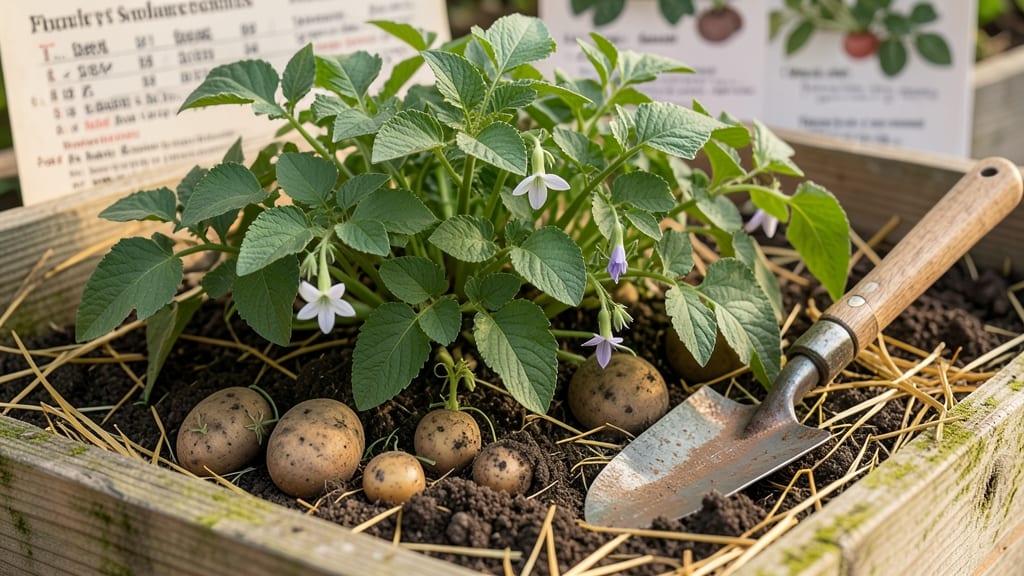
California potato planting calendar: coastal vs inland frost-free zones
California’s Mediterranean climate creates a unique challenge for potato growers: coastal areas rarely experience frost, while inland valleys can see chilly nights. This means your planting window depends entirely on your location.
In Zone 10 (coastal), you can plant year-round, while Zone 7 (inland) gardeners must time it perfectly to avoid frost damage. Let’s break down the exact months for each region.
For coastal California (e.g., San Diego, Santa Barbara, Monterey), the ideal planting months are September through March. This frost-free period allows for continuous harvests. In contrast, inland valleys (Sacramento, Fresno, Bakersfield) should plant between February and April to avoid late-season frosts that can kill emerging sprouts.
Key difference: Coastal gardeners enjoy a 12-month growing window, while inland gardeners must work within a 3–4 month window to avoid frost. Even a single night below 32°F can ruin your crop, so timing is everything.
If you’re in Zone 10 (e.g., San Diego, Palm Springs), you can plant potatoes every 2–3 months for continuous harvests. Start with early varieties like ‘Yukon Gold’ in September, followed by ‘Red Pontiac’ in November, and finish with ‘Russet Burbank’ in January.
This staggered approach ensures you always have fresh potatoes.
For inland gardeners (Zone 7–8), focus on spring planting (February–March) for a summer harvest (June–July). If you attempt a fall planting (October–November), use cold-hardy varieties like ‘Kennebec’ and protect young plants with frost cloth until soil temperatures stabilize above 45°F.
One common mistake is assuming all of California is frost-free. Even in Southern California, microclimates can vary. For example, Santa Barbara’s inland areas (e.g., Goleta) may see light frosts, while the coast stays warm.
Always check your exact location’s frost history using the USDA Plant Hardiness Zone Map or local CoCoRaHS weather stations.
To maximize your yield, pair your planting schedule with soil preparation. Coastal soils often need amendments for drainage (sandy loam works best), while inland clay soils benefit from compost and gypsum to improve structure. Test your soil’s pH (5.0–6.5 ideal) and adjust with lime or sulfur before planting.
Remember: Potatoes need consistent moisture but hate soggy soil. In coastal areas, mulch with straw to prevent evaporation, while inland gardeners should water deeply 2–3 times per week during dry spells. A drip irrigation system is my go-to for even moisture distribution.
🌱
How to adjust planting for California’s unique microclimates and soil types
California’s microclimates can feel like different countries—coastal San Diego averages 75°F winters, while Sacramento sees frost until February. Adjust your planting schedule based on elevation and frost risk. Use a soil thermometer to confirm 50°F+ soil temps before planting; cold soil delays sprouting.
For coastal gardens (USDA Zones 9–10), plant year-round with consistent moisture. Inland valleys (Zones 7–8) need fall planting (October–November) or early spring (February–March). High-elevation areas (e.g., Mount Shasta) may require row covers for frost protection.
Soil type matters too. California’s clay-heavy soils drain poorly—amend with compost or sand to prevent rot. Sandy soils dry fast; mulch with straw to retain moisture. Test your soil’s pH (5.0–6.5)—potatoes hate alkaline conditions.
Choose early-maturing varieties (e.g., ‘Yukon Gold’) for inland areas or longer-season types (e.g., ‘Russet Burbank’) in frost-free zones. Container growing works for balconies—use 5-gallon pots and plant seed potatoes 4 inches deep.
Extend your season with row covers or cold frames to protect young plants. In coastal humidity, space plants 12 inches apart to prevent blight. For drought-prone inland zones, water deeply 2–3x/week instead of daily shallow watering.
Pro tip: Chit your seed potatoes (sprout indoors for 4 weeks) to jumpstart growth in cooler zones. Plant shallowly (3–4 inches deep) in sandy soil, deeper (6+ inches) in clay. Mulch heavily to regulate soil temp and retain moisture—critical in California’s extreme heat or coastal fog.