
Plants
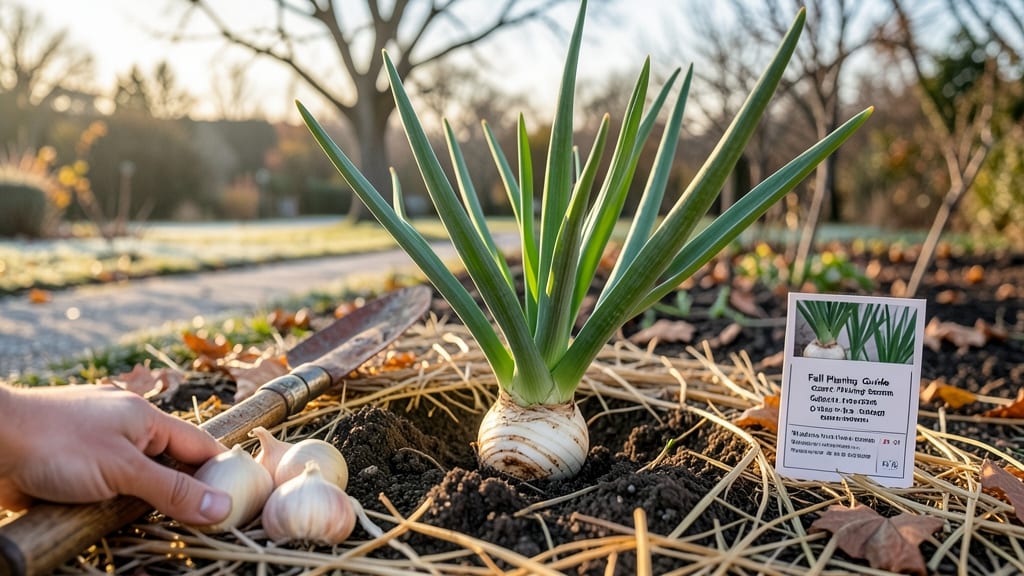
If you’ve ever wondered when to plant garlic in Pennsylvania, the answer isn’t as simple as "fall"—it depends on whether you’re growing hardneck or softneck varieties, and your exact USDA zone. Get this wrong, and you might end up with weak bulbs or worse, no harvest at all.
The key to success lies in planting 🧄 garlic at the perfect moment—typically between October and November—when soil temperatures drop but the ground hasn’t frozen solid.
Hardneck varieties, like those thriving in cooler zones (5b-6a), need to be in the ground earlier, while softnecks can wait until late fall in milder areas (7a).
Why does timing matter so much? Because garlic grows best when it experiences cold winters followed by warm springs. Plant too early, and cloves may rot; too late, and bulbs won’t develop properly.
I’ll break down the exact windows for each variety, plus soil prep tips tailored to Pennsylvania’s climate—so you can avoid common mistakes and harvest plump, flavorful bulbs next summer.
Whether you’re a first-time gardener or a seasoned pro, mastering this timing will transform your garlic yield. Let’s dive into the best practices for planting garlic in Pennsylvania—so you can enjoy homegrown harvests from July to August.
Pennsylvania garlic planting calendar: hardneck vs softneck timing by month
Timing your garlic planting in Pennsylvania isn’t just about the calendar—it’s about understanding how soil temperatures, USDA zones, and variety types interact. Hardneck and softneck garlic have completely different ideal planting windows, and missing them can mean smaller bulbs or even total failure.
Let’s break down the science behind Pennsylvania’s garlic calendar, including the critical soil temperature triggers that most gardeners overlook.
For hardneck garlic, the sweet spot in Pennsylvania is between October 1 and November 15, with earlier planting (by October 1) recommended in Zone 5 areas like the Poconos.
This variety thrives in colder winters, and planting too late—after November 15—risks poor bulb development because the cloves need 60–90 days of cold to form properly.
Meanwhile, softneck garlic prefers milder winters and should be planted November 1–December 15, but only in Zones 6–7 like Philadelphia or the Delaware Valley.
| Variety Type | Planting Window (PA Zones 5-7) | Soil Temp Requirement | Key Preparation Step | Expected Harvest Month |
|---|---|---|---|---|
| Hardneck | October 1–November 15 (earlier in Zone 5) | 40–50°F (4–7°C) | Chit cloves 4–6 weeks before planting | July |
| Softneck | November 1–December 15 (Zone 6-7 only) | 50–60°F (10–15°C) | Use unchitted cloves, plant deeper (2–3 inches) | August–September |
Here’s the golden rule for Pennsylvania gardeners: Plant hardneck garlic when soil temperatures drop to 40–50°F. Use a soil thermometer to check—this is the moment when cloves will start forming roots. For softneck, wait until soil temps are 50–60°F, which typically aligns with November in most of Pennsylvania.
Pro tip: If you’re in Zone 5, aim to plant by November 1 to avoid winter kill.
One mistake I see often is planting garlic too early. While it can survive, cloves planted before October 1 may sprout too soon, only to be damaged by freeze-thaw cycles in Pennsylvania’s unpredictable winters. The goal is to have cloves dormant but not frozen when winter hits.
Another common error? Not chitting hardneck cloves—this 4–6 week pre-planting step (placing cloves in a cool, dark spot to sprout) gives you a 20% larger yield by jumpstarting growth.
Winter care is just as critical as planting timing. After planting, apply 2–3 inches of straw mulch to insulate cloves from freeze-thaw cycles, which can heave them out of the soil.
In Erie, where lake-effect snow is common, add an extra inch of mulch to prevent cloves from drying out. Come spring, remove the mulch in March once shoots emerge—this prevents rot from excess moisture.
Spring emergence in Pennsylvania usually happens between late March and early April, depending on your zone. You’ll know it’s time to act when green shoots break through the soil. At this stage, focus on weed control and light feeding with a low-nitrogen fertilizer (like 5-10-10) to encourage bulb development.
Avoid high-nitrogen fertilizers—they promote leafy growth at the expense of bulb size.
Harvest timing varies by variety: Hardneck garlic is ready in July, while softneck matures in August–September. Look for lower leaves turning brown and stems flattening—these are your cues. If you harvest too early, bulbs won’t store well; too late, and they’ll split or sprout.
Cure harvested garlic in a dry, shady spot for 2–3 weeks to extend shelf life.
🌱
5 Critical factors that determine garlic planting success in Pennsylvania
Pennsylvania’s garlic success hinges on more than just timing—your soil type, clove selection, and sunlight exposure play equally critical roles. Many gardeners overlook these details, leading to poor bulb formation or disease.
Let’s break down the 5 non-negotiable factors that’ll make or break your harvest, tailored specifically for Pennsylvania’s climate challenges.
First, your soil conditions are non-negotiable. Pennsylvania’s heavy clay soils often need amendments to achieve the ideal 3.5–4.5 pH and 4% organic matter. Without this prep, cloves struggle to establish roots, leading to stunted growth.
I’ve seen gardeners in Lancaster County double their yields simply by mixing in composted cow manure before planting—just avoid fresh manure, which can burn delicate cloves.
| Critical Factor | Pennsylvania-Specific Requirement | Common Mistake to Avoid |
|---|---|---|
| Soil pH & Organic Matter | 3.5–4.5 pH, 4% organic matter (test before planting) | Skipping soil tests—clay soils often need lime or sulfur |
| Clove Spacing | 6" apart (hardneck), 8" apart (softneck) | Overcrowding leads to fungal diseases in PA’s humid summers |
| Sunlight Exposure | Minimum 6 hours direct sun daily (hardneck needs more) | Planting under fruit trees reduces hardneck yields by 30% |
| Clove Selection | Disease-resistant varieties like 'Music' (hardneck) or 'Silverskin' (softneck) | Using store-bought garlic (often treated with sprouting inhibitors) |
| Mulching Strategy | 2–3" straw mulch after planting (4"+ in Erie due to lake-effect snow) | Leaving mulch too late in spring causes rot before shoots emerge |
Next, proper spacing is often overlooked but crucial. Hardneck varieties need 6 inches between cloves, while softneck varieties require 8 inches to prevent disease spread in Pennsylvania’s humid summers.
I recommend using a simple grid system with string and stakes for large plots—this ensures consistency and makes thinning easier if needed.
Sunlight exposure is another game-changer. While both varieties need 6+ hours of direct sun, hardneck garlic—like the popular 'German White'—demands full sun to develop its signature scape and bulb.
In partial shade (common under fruit trees in rural PA), hardneck yields can drop by 30% or more. For softneck varieties, partial shade is acceptable, but expect smaller bulbs. Always choose the suniest spot in your garden, even if it means sacrificing another crop.
Your clove selection directly impacts disease resistance, especially in Pennsylvania’s humid climate. Opt for certified organic, disease-resistant varieties like 'Music' (hardneck) or 'Silverskin' (softneck). I’ve had better success with these than generic grocery store garlic, which often carries fungal spores from storage.
For maximum health, buy from reputable seed companies or save your own cloves from disease-free bulbs.
Finally, mulching strategy protects your garlic from Pennsylvania’s freeze-thaw cycles and lake-effect snow (especially in Erie). Apply 2–3 inches of straw immediately after planting, then add 1–2 more inches in late fall. In Erie, where lake breezes can dry out soil, I recommend 4+ inches of mulch.
The key is removing mulch in early spring—typically by mid-March—to prevent rot before shoots emerge. This balance keeps your cloves insulated without suffocating them.