
Plants
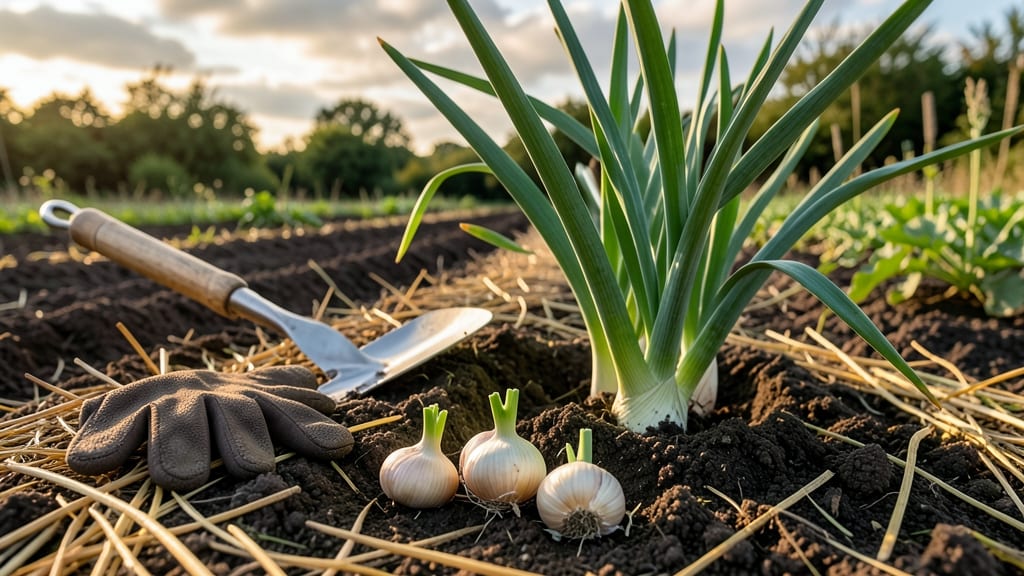
Planting garlic in Missouri isn’t just about grabbing cloves and sticking them in the ground—it’s a precise timing game that separates a bountiful harvest from wasted effort.
With hardneck, softneck, and elephant garlic each demanding slightly different care, missing the window by even a few weeks can mean the difference between plump bulbs and disappointing shriveled cloves.
The 5b-6b climate of Missouri means your ideal planting window is short but critical: October through November for fall planting, or early March for spring. But here’s the catch—planting too early risks frost damage, while waiting too long means the bulbs won’t establish strong roots before winter sets in.
I’ll break down exactly when to plant based on your specific variety and local frost dates, so you never guess again.
Why does this matter? Because garlic planted at the right time in Missouri’s soil thrives year-round, even through harsh winters. You’ll learn how to read your soil’s readiness, adjust for early or late frosts, and choose the perfect clove size for your climate.
Let’s get your 🧄 garlic off to the best possible start—because timing isn’t just important, it’s everything.
From soil prep to spacing and dormancy tips, I’ll walk you through every step to ensure your garlic grows strong, resists common Missouri pests, and delivers a harvest ready by next summer. No more second-guessing—just a foolproof plan tailored to your garden’s needs.
Missouri garlic planting timeline by hardiness zone and variety type
Missouri’s USDA hardiness zones 5b-6b create a tight window for planting garlic—typically between mid-October and mid-November. But the exact timing depends on whether you’re growing hardneck, softneck, or elephant garlic, each with unique cold-hardiness needs.
For most Missouri gardeners, late October is the sweet spot, but let’s break it down by variety and zone.
Hardneck garlic thrives in Missouri’s climate and is the most popular choice, while softneck varieties (like Silverskin) need slightly later planting. Elephant garlic, a milder but larger relative, follows hardneck’s timeline but requires more space.
The key is planting 4-6 weeks before the ground freezes—usually when soil temps drop to 40-50°F.
Here’s how Missouri’s zones influence your planting schedule:
Missouri’s first hard frost typically arrives in mid-October, but garlic cloves need 4-6 weeks to establish roots before winter dormancy.
For example, in zone 5b, aim for October 15–November 1 for hardneck varieties like ‘German White’ or ‘Music’, which are cold-hardy and produce scape (the curly stem used in cooking).
If you’re in zone 6b, you have a slightly later window—planting until November 10 works for hardneck garlic.
Softneck varieties, which store longer but are less cold-tolerant, should wait until November 5–December 1 in zone 6b. Elephant garlic, though milder, follows hardneck’s timeline since it needs the same cold period to form bulbs.
Pro tip: Check your local Missouri State Climatologist or Midwest Regional Climate Center for your area’s average first frost date. Subtract 6 weeks to land on your ideal planting window.
For example, if your frost date is October 20, plant by September 10—though this is risky unless you use row covers.
Spring planting is possible in Missouri but yields are 20-30% smaller because garlic needs cold vernalization (a period of cold) to form bulbs properly. If you must plant in spring, do so in early March and expect to harvest 30-45 days later than fall-planted garlic.
Missouri’s soil type also plays a role—clay-heavy soils in northern Missouri (like Adams or Grundy counties) drain slower, so plant on ridges or amend with compost to prevent rot.
Sandy soils in southern Missouri (like Crawford or Jasper counties) dry out faster, so mulch heavily after planting to retain moisture.
Finally, bulb size matters: larger cloves (like those from ‘Korean Red’) produce bigger harvests but need slightly more time to establish roots. Smaller cloves (from ‘Artichoke’) can be planted closer together but may yield fewer bulbs.
Always break apart whole bulbs into individual cloves, plant the pointy end up, and space them 4–6 inches apart.
For Missouri gardeners, the golden rule is: plant garlic when soil temps hit 50°F and you have 6+ weeks until frost. Use this timeline as your guide, and adjust based on your microclimate—your garlic will thank you with plump, flavorful bulbs next summer! 🌱
5 Critical factors that determine your exact Missouri garlic planting date
Missouri’s climate throws curveballs—one year might bring an early frost, while another delays winter. Your garlic planting date shouldn’t rely on a calendar but on soil temperature, frost forecasts, and variety maturity. Let’s break down the 5 factors that dictate your perfect window.
First, soil temperature is your golden rule. Garlic cloves need soil at 40–50°F to sprout—any warmer, and they rot; colder, and they won’t wake up. In Missouri, this typically aligns with October 15–November 15, but dig a soil thermometer to confirm.
Next, check your USDA hardiness zone (5b–7a in Missouri). Zone 5b gardeners should plant by October 31 to avoid winter kill, while zone 7a gardeners have until November 15. Use your local first frost date (usually mid-October) as a deadline—plant 4–6 weeks before.
- 1. Soil Temperature: Aim for 40–50°F—use a soil thermometer to test. Too warm = rot; too cold = dormancy.
- 2. First Frost Date: Plant 4–6 weeks before your average frost (mid-October in Missouri). Check local almanac data for precision.
- 3. Variety Maturity: Hardneck (e.g., 'German Red') needs 270 days; softneck (e.g., 'Silverskin') takes 300+ days. Plant earlier for longer-season varieties.
- 4. Clove Size: Large cloves (1+ inches) establish faster. Break bulbs into individual cloves and plant the largest ones first for early harvests.
- 5. Soil Drainage: Heavy clay soils? Plant on mounds or amend with compost. Garlic hates soggy roots—waterlogged soil = rot.
Don’t overlook clove size, either. Large cloves (1+ inches) sprout faster and yield bigger bulbs. Break your garlic bulbs into individual cloves, plant the largest ones first, and save smaller cloves for late plantings or spring trials.
Finally, soil drainage makes or breaks your crop. Missouri’s heavy clay soils can suffocate garlic roots. Amend beds with compost or sand to improve drainage, or plant on raised mounds. A simple test: Dig a hole, fill it with water—if it drains in 2 hours, your soil’s ready.
Pro tip: Use mulch (straw or leaves) after planting to insulate roots and prevent heaving during freeze-thaw cycles. This buys you 2–3 extra weeks of planting flexibility if winter arrives early.