
Plants
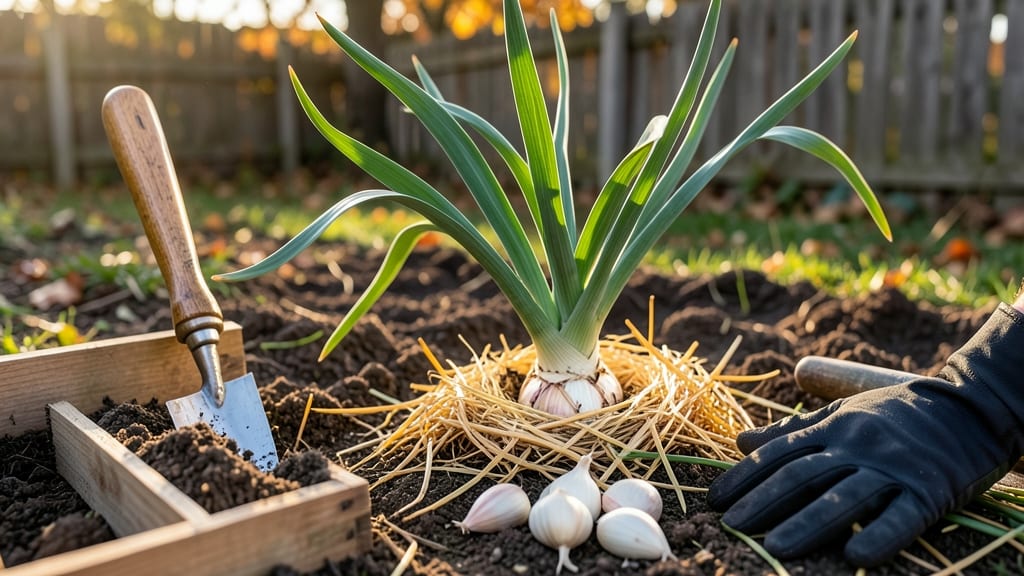
Planting garlic in California at the wrong time can turn your garden dreams into a bitter disappointment—but timing it right guarantees plump, flavorful bulbs year after year. The key? Fall planting between October and December, when soil temps drop but frost isn’t a threat in most zones.
California’s diverse climates—from coastal Zone 10a to inland Zone 9a—mean your neighbors might be harvesting while you’re still deciding.
Whether you’re in San Francisco or the Central Valley, planting 4–6 weeks before ground cools (usually late October) gives garlic the chill it needs to form bulbs without bolting prematurely.
Hardneck varieties thrive in cooler inland areas, while softnecks do better in milder coastal zones. The trick? Adjust for your microclimate—coastal gardeners can plant slightly later, while inland growers should aim for early October to avoid missed deadlines.
Ready to grow garlic that’s sweeter and bigger than store-bought? Let’s break down the exact months, soil prep secrets, and variety picks to turn your California garden into a garlic goldmine.
Best planting months for garlic in California by climate Zone
California’s diverse climate—from coastal fog to inland heat—means one planting window doesn’t fit all. In coastal regions (USDA Zones 9b-10a), like San Francisco or Santa Barbara, you can plant garlic as late as December, thanks to mild winters.
But inland areas, such as Sacramento or Fresno (Zone 9a), need to plant by late October to avoid winter rains and potential frost.
For Northern California, aim for October 1–November 15. This gives garlic enough time to establish roots before winter rains slow growth. In Southern California, you’ve got a bit more flexibility—November 1–December 15 works well—because the climate is warmer and frost is rare.
Microclimates matter too! Mountainous areas (e.g., Sierra foothills) may need to plant by mid-October, while desert regions (e.g., Palm Springs) can push planting to early December. Always check your local first frost date—even if California rarely freezes, cold snaps can stress young garlic plants.
Hardneck vs. softneck varieties also influence timing. Hardneck garlic, like 'German White', thrives in cooler inland zones and needs October planting for optimal bulb development. Softneck garlic, such as 'Artichoke', handles warmer coastal climates and can be planted through December.
Here’s the golden rule: Plant garlic 4–6 weeks before ground temperatures drop below 60°F. Use a soil thermometer to monitor—garlic roots need consistent temps above 50°F to grow. If you’re unsure, err on the earlier side; garlic planted too late may bolt (flower) prematurely, ruining bulb quality.
Pro Tip: California’s rainy season (November–March) can drown garlic if planted too late. Inland areas should aim to finish planting by late November to avoid soggy soil, while coastal gardeners can stretch to mid-December.
If you’re in Southern California (e.g., Los Angeles, San Diego), you might even squeeze in a spring planting (January–February) for a late-summer harvest. However, spring-planted garlic often yields smaller bulbs and is more prone to bolting in California’s heat.
Reserve this method for experimental batches or if you missed the fall window.
For container gardening, timing is slightly more flexible since pots warm up faster. Plant coastal containers in December and inland containers by November 1. Just ensure pots have drainage holes and use a lightweight potting mix to prevent waterlogging during winter rains.
Remember: Garlic needs cold dormancy to form bulbs. If you live in a truly frost-free zone (e.g., Palm Springs), consider chilling cloves in the fridge for 6–8 weeks before planting to mimic winter conditions. This trick can help even Zone 10b+ gardeners grow plump bulbs.
How to time garlic planting for zero-bolt harvests in California
Garlic in California thrives when planted at the right time, but unlike many crops, it needs a cool winter dormancy period to form bulbs. Planting too late or too early can trigger bolting (flowering), turning your garlic into bitter scapes instead of plump bulbs.
The key is planting 4–6 weeks before ground temperatures drop below 50°F—typically October through December—but timing varies by region.
California’s microclimates add complexity: coastal areas like San Francisco may plant as late as January, while inland valleys like Central Valley need garlic in the ground by November to avoid heat stress.
Use your last frost date (or lack thereof) as a guide—since most of California rarely freezes, focus instead on soil temperature and daylength cues.
- Planting in spring → Garlic bolts before bulbing (skip winter dormancy).
- Waiting until December → Coastal areas risk heat stress; inland zones may freeze.
- Ignoring soil temp → Planting when soil is above 60°F triggers early bolting.
Use a soil thermometer to confirm temps are 50–60°F at planting.
To nail your planting window, start by checking your USDA Hardiness Zone. Coastal California (Zones 9b–10a) can plant later, while inland areas (Zones 8b–9a) should plant earlier.
For example, Los Angeles gardeners might plant in November, while Sacramento should aim for October. Use a planting calendar or local extension office data for precision.
Another trick? Plant a test clove in early September. If it sprouts within 2–3 weeks, your climate is too warm—wait until October. If it stays dormant, you’re in the safe zone.
This method works especially well for hardneck varieties, which need colder winters to form bulbs, versus softneck types that tolerate milder winters.
Once planted, monitor your garlic’s progress. If leaves yellow and die back prematurely (before June), it bolted due to heat stress or short daylength. To prevent this, mulch with straw or leaves to insulate roots and keep soil cool.
In Zone 10a (e.g., San Diego), consider shade cloth during peak summer to mimic cooler conditions.
For a foolproof harvest, aim to plant garlic so bulbs mature by late June to August. This means hardneck varieties (like ‘Silverskin’) need a 120–150-day growing season, while softneck types (like ‘Artichoke’) take 180–210 days.
Use this timeline: Plant in October → Harvest in July for most of California’s climate zones.