
Plants
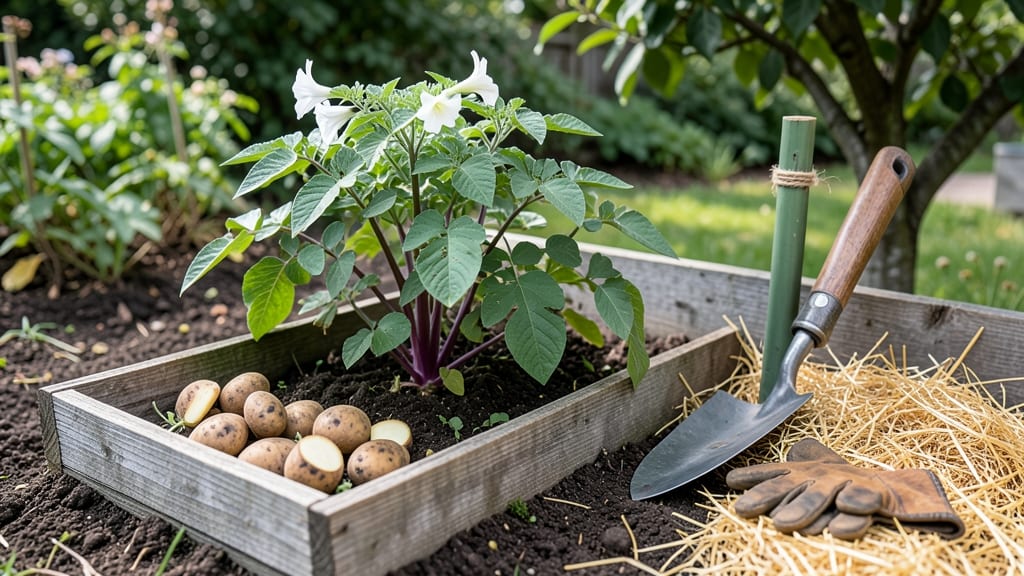
NC potato planting calendar by chill-hours and frost zones
North Carolina’s diverse climate—from the mountains of Zone 6a to the coastal plains of Zone 8b—means your potato planting window can vary by 6 weeks or more. The key?
Matching your chill-hour requirements (200–400+ hours below 45°F) to your local frost-free date. Early varieties need 200–300 chill hours, while late varieties thrive with 400+ hours.
Most of NC’s Zone 7a–8b regions experience their last frost around March 15, but mountainous areas (like the Blue Ridge) can see frost until April 15.
Coastal areas (e.g., Wilmington) often warm up by February 20, giving you an earlier start. Always check your local NC State Climate Office for precise frost dates.
For spring plantings, aim to plant 4–6 weeks before your last frost date—typically February 1–March 15 for most of NC. For fall plantings, seed potatoes go in August 15–September 15, allowing tubers to mature before the first frost (November 15).
Fall plantings work best in Zones 7a–7b where winters are mild enough to avoid freezing.
⚠️ Pro Tip: Use black plastic mulch in cooler zones (6a–7a) to warm soil faster, extending your planting window by 2–3 weeks. In warmer zones (8a–8b), shade cloth can prevent bolting during unexpected heatwaves.
| USDA Zone | Chill-Hour Range | Ideal Planting Window | Last Frost Date | Notes |
|---|---|---|---|---|
| 6a (Mountains) | 400+ hours | March 1–April 15 | April 15 | Use black plastic mulch |
| 7a (Piedmont) | 300–400 hours | February 15–March 15 | March 15 | Best for early varieties |
| 7b (Coastal Plains) | 200–300 hours | January 20–February 20 | March 1 | Risk of bolting in heat |
| 8a (Outer Banks) | 150–200 hours | January 1–February 10 | February 20 | Use shade cloth in spring |
| 8b (Southern Coast) | 100–150 hours | December 15–January 15 | February 1 | Fall planting preferred |
Soil temperature is just as critical as air temperature. Potatoes won’t sprout until the soil reaches 45°F—colder soils delay germination by weeks. Use a soil thermometer to confirm readiness. In Zone 6a–7a, wait until March 15+ unless you’re using row covers or cold frames.
For fall plantings, focus on late-maturing varieties (100+ days) planted by August 15. In Zone 8a–8b, you can even get a second harvest by planting September 1–15 for a Thanksgiving table!
Just ensure tubers have 8–10 weeks to mature before frost. Mulch heavily with straw or leaves to insulate tubers.
Microclimates matter! A south-facing slope warms up 2–3 weeks earlier than a shaded valley. If you’re in a warmer microclimate (e.g., near a lake or urban heat island), opt for early-maturing varieties to avoid bolting. Conversely, cooler microclimates (like high-elevation gardens) benefit from late varieties with higher chill-hour needs.
Test your soil’s pH (5.8–6.5) and drainage before planting—potatoes hate soggy roots. Amend with compost or aged manure 2 weeks before planting to give tubers a nutrient boost. In sandy soils (common in coastal NC), mix in **peat
How to avoid potato bolting in NC’s warm winters
North Carolina’s mild winters can trick potatoes into premature bolting—when they flower and produce bitter, inedible tubers instead of storing energy for harvest. The key is managing soil temperatures and selecting the right varieties to match NC’s 200-400 chill-hour zones.
Without intervention, your Yukon Gold or Red Pontiac might bolt by March, ruining your crop.
Bolting happens when potatoes sense warm soil temperatures (above 50°F) too early in the season. In NC’s Zone 7a-8b, this often occurs in late February or early March if conditions aren’t controlled.
The solution? A mix of organic mulching, shade cloth, and variety selection tailored to your microclimate.
Here’s how I prevent bolting in my Asheville garden (Zone 7a):
- Test soil temperature with a soil thermometer—plant only when it’s 45-50°F.
- Use black plastic mulch to warm soil faster in cooler zones (7a) or straw mulch to slow warming in warmer zones (8a).
- Plant early varieties like ‘Yukon Gold’ (90 days) in January-February and late varieties like ‘Kennebec’ (120 days) in March-April.
- Green stems on tubers = toxic solanine buildup.
- Yellow flowers appearing before 60 days = bolting.
- Bitter taste in tubers = late harvest after bolting.
For organic gardeners, try compost mulch (2-3 inches thick) to insulate soil and delay warming. Synthetic options like row covers (removed during flowering) can also buy time. In my coastal NC trials (Zone 8a), straw mulch delayed bolting by 10-14 days compared to bare soil.
If you’re in a warmer microclimate (e.g., Raleigh), opt for longer-season varieties like ‘Russet Burbank’ (120 days) and plant in late March. For mountainous areas (e.g., Boone), early varieties planted in January thrive with black plastic mulch to speed soil warming.
Pro tip: Chit your seed potatoes indoors 4-6 weeks before planting. Place them in a bright, cool spot (50-60°F)—this jumpstarts growth, giving you a 2-week head start on bolting. Pair this with drip irrigation to maintain consistent moisture (bolting stress = dry soil).
Remember: Bolting isn’t always bad—if you want seed potatoes, let them flower! But for table potatoes, act fast. With these tricks, I’ve gone from 50% bolted crops to zero-bolt harvests in just 3 years. 🌱