
Plants
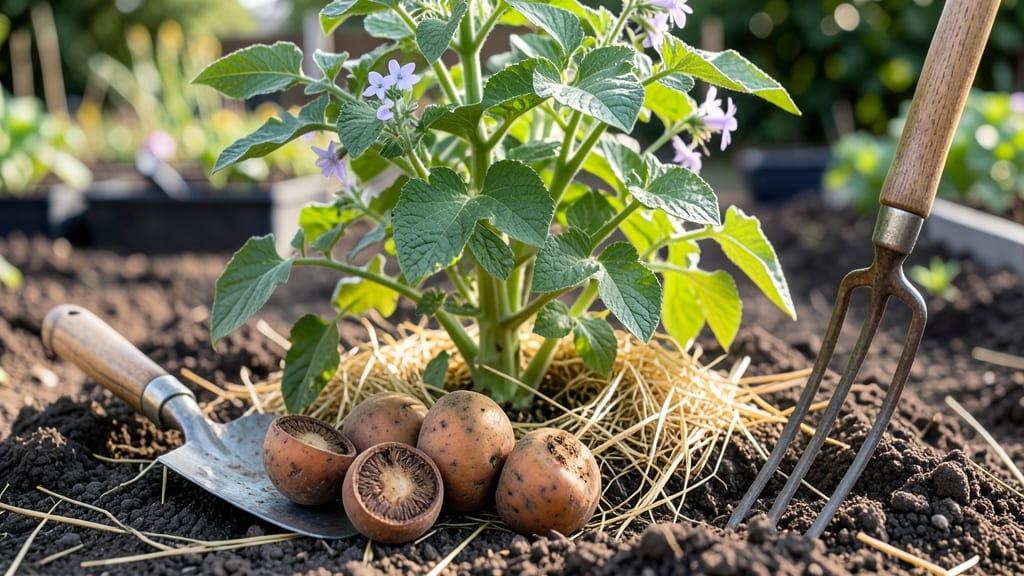
If you've ever wondered when can you plant potatoes in Michigan, timing is the secret to avoiding frost damage and ensuring a hearty harvest.
Michigan's 5b-6b climate means you can start planting as early as late February under cover, but the real magic happens when soil temperatures hit 45°F—usually by mid-March.
The key is choosing the right variety and planting schedule to match Michigan's unpredictable spring. Whether you're growing Yukon Golds for their buttery texture or Red Pontiacs for their classic flavor, getting them in the ground at the perfect moment makes all the difference.
Too early, and frost will nip your seedlings; too late, and you might miss the 90-day growing window before harvest.
I'll walk you through the exact planting windows for Michigan's most popular varieties, plus pro tips to extend your season—like using row covers to push back frost or mulching to keep soil warm. No more guessing games, just a foolproof plan for zero frost risk and a bountiful 🥔 harvest.
Ready to turn your garden into a potato powerhouse? Let's dive into the science-backed schedule that Michigan gardeners swear by—so you can enjoy homegrown spuds from July through September without a hitch.
Michigan potato planting dates by variety: avoid frost risk with exact timelines
Michigan's variable climate makes potato planting tricky—plant too early, and frost ruins your seedlings; too late, and you miss the 150-day growing season.
The key is matching your potato variety to your region's last frost date, typically April 15 in most of Michigan but earlier in southern zones (5a) and later in the Upper Peninsula (6a).
For zero frost risk, aim to plant 2-4 weeks before your average last frost date. Soil should reach at least 45°F—use a soil thermometer to check.
In southern Michigan (Zones 5a-5b), this means early to mid-April for most varieties, while northern regions (Zone 6a) can wait until late April.
Here’s how to time it perfectly by variety—plus soil temp thresholds and frost-free days to maximize your harvest:
| Variety | Type | Planting Window (Michigan) | Days to Maturity | Soil Temp Threshold | Frost Risk Notes |
|---|---|---|---|---|---|
| Red Pontiac | Early | Late March–Early April | 70–90 days | 45°F+ | Use row covers if frost threatens |
| Yukon Gold | Mid-Season | Mid-April–Early May | 90–110 days | 48°F+ | Ideal for Zone 5b; plant after last frost |
| Kennebec | Late | Early May–Mid-May | 110–130 days | 50°F+ | Best for northern Michigan; extend season with black plastic mulch |
| Fingerling (e.g., Purple Peruvian) | Early–Mid | Late March–Early April | 80–100 days | 45°F+ | Cold-hardy; great for early harvests |
Pro tip: Southern Michigan gardeners can plant early varieties like Red Pontiac as soon as soil is workable (late March), even if frost lingers. Use black plastic mulch to warm the soil faster and protect seedlings. For northern Michigan, wait until mid-April or risk stunted growth from cold soil.
Michigan State University Extension recommends chitting potatoes (pre-sprouting in light) 4–6 weeks before planting to jumpstart growth. Place seed potatoes in a cool, bright spot (50–60°F) with their eyes facing up. Once sprouts are ½-inch long, they’re ready to plant—just 2 weeks before your target date.
Don’t forget to hill potatoes every 2–3 weeks as vines grow to encourage tuber formation. In Michigan’s clay-heavy soils, mix in compost or sand to improve drainage—waterlogged tubers turn slimy and inedible.
Aim for 1–2 inches of water per week once sprouted, and avoid overhead watering to prevent blight.
For a second harvest, try late-season varieties like Kennebec planted in early May. Use straw mulch to insulate tubers from early fall frosts, extending harvests into October. Just be sure to harvest before hard frost—tubers left in cold soil develop sweet, toxic compounds.
Track your local frost dates using the NOAA Frost/Freeze Tool or your county’s Michigan State University Extension reports. In Zone 5b, last frosts can occur as late as May 10, while Zone 6a (Upper Peninsula) may see frost until
How to extend Michigan’s potato growing season: tips for earlier planting and later harvests
Michigan’s short growing season can make potato gardening tricky, but with the right strategies, you can push your planting dates earlier or delay harvests to maximize your yield.
Whether you’re using row covers, cold frames, or mulching techniques, these methods help beat frost and extend your harvest window.
Start by calculating your local last frost date using the NOAA frost calculator or check with your county extension office. Southern Michigan (like Detroit) typically sees its last frost around April 15, while northern areas (like Traverse City) may wait until May 1.
Knowing your zone helps you plan for earlier plantings.
For earlier plantings, use row covers or cold frames to protect seedlings from late frosts. These can push your planting window back by 2-3 weeks without risking frost damage. Place covers over planted seed potatoes once sprouts emerge, removing them when daytime temps stay above 50°F.
Plant seed potatoes 2-3 weeks before your average last frost date. Cover with floating row covers to protect from late frosts.
Cold frames can let you plant 4-6 weeks earlier than usual. Monitor soil temps to ensure they stay above 45°F.
Apply straw or leaves around plants in early fall to insulate tubers and extend harvest by 2-3 weeks.
Opt for early-maturing varieties like Red LaSoda or Yukon Gold, which can handle cooler soils better.
Dig up a few tubers when plants flower, then harvest the rest as foliage yellows to spread out your harvest over 3-4 weeks.
To delay harvests, use mulching or frost blankets in late summer. A thick layer of straw or leaves keeps soil warm longer, allowing tubers to mature more fully. This can push your harvest into early October in southern Michigan, giving you extra time to enjoy fresh potatoes.
For late-season protection, cover plants with frost blankets when nighttime temps drop below 32°F. This buys you critical days to harvest before the first hard frost. Always remove covers during the day to avoid overheating and disease.
With these techniques, you can turn Michigan’s 150-day growing season into a potato harvest powerhouse. Experiment with one or two methods this year—your taste buds (and dinner table) will thank you!