
Companion Plants
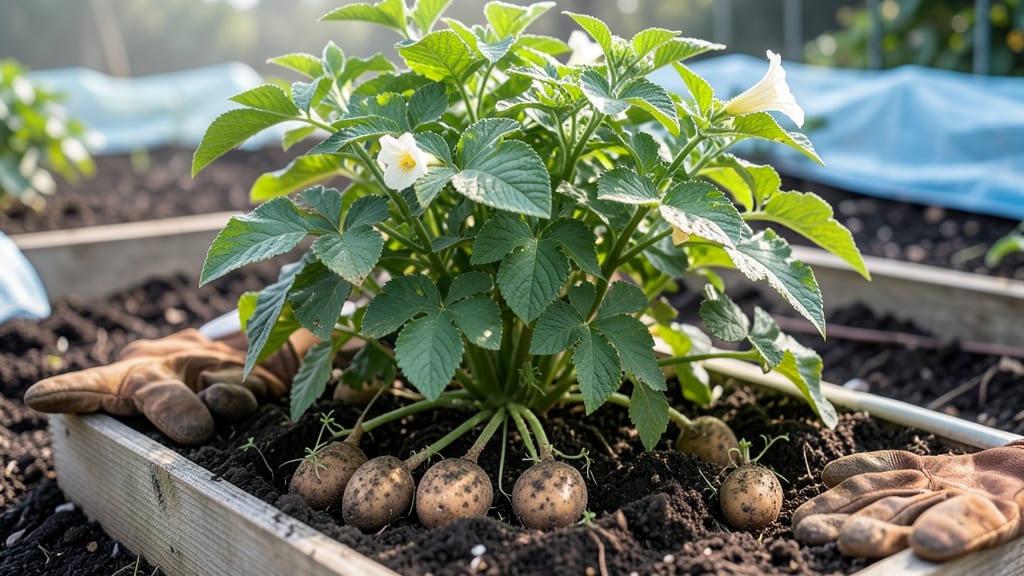
Knowing when to plant potatoes in Ohio can mean the difference between a bumper crop and a disappointing harvest. With the state's varied microclimates—from Lake Erie's chilly coastal breezes to the warmer Appalachian foothills—your planting window matters more than you might think. 🥔
Most Ohio gardeners aim for early spring planting between March and April, but timing depends on your exact location and elevation. Plant too early, and you risk bolting (when potatoes flower prematurely and produce small tubers).
Too late, and your harvest shrinks before frost arrives in October. The key is understanding your local frost-free dates and soil temperatures.
In this guide, I’ll break down the optimal planting windows for Ohio’s five distinct regions, including soil prep tips and variety recommendations. Whether you're in USDA Zone 6a or a slightly warmer microclimate, you’ll learn how to time your planting for maximum yield—without the guesswork.
Ready to grow potatoes that rival the pros? Let’s dive into the exact dates and strategies that work for Ohio’s unique growing conditions.
Ohio potato planting zones by elevation: exact dates to avoid bolting
Ohio’s diverse geography—from Lake Erie’s chilly coastal plains to the warmer Appalachian foothills—creates microclimates that shift potato planting windows by 3-4 weeks. Understanding your elevation zone is key to avoiding bolting (premature flowering) while maximizing tuber yield.
Most of Ohio falls in USDA Zones 5b-6b, but elevation changes soil warmth dramatically.
For lowland areas (0-1,000 ft), like Toledo or Columbus, aim to plant 2-4 weeks before your last frost date—typically mid-March to early April. Higher elevations (1,000+ ft), such as in Athens or Steubenville, may need to wait until late April.
Below is a region-specific breakdown to pinpoint your ideal planting window.
🌱Pro Tip: Use a soil thermometer—potatoes thrive when soil temps hit 45–55°F. Cold soil delays sprouting, while warm soil (above 60°F) risks bolting.
| Ohio Region | Elevation Range | Last Frost Date | Ideal Planting Window | Variety Recommendation |
|---|---|---|---|---|
| Lake Erie (Toledo, Cleveland) | 0–500 ft | April 1–15 | Mid-March to early April | Early: 'Red LaSoda', 'Yukon Gold' |
| Northwest (Findlay, Lima) | 500–1,000 ft | April 10–25 | Late March to mid-April | Mid-season: 'Kennebec', 'Russet' |
| Central (Columbus, Dayton) | 600–900 ft | April 15–May 1 | Early April to early May | Late: 'Purple Viking', 'German Butterball' |
| Southeast (Cincinnati, Athens) | 700–1,200 ft | April 20–May 5 | Late April to mid-May | Heat-tolerant: 'Sweetheart', 'Adirondack Red' |
| Appalachian (Steubenville, Zanesville) | 1,000+ ft | May 1–15 | Late April to early May | Cold-hardy: 'Chieftain', 'Minnesota Midget' |
If you’re unsure about your last frost date, check the Ohio State University Extension’s frost map or use local gardening groups (like those on Facebook) for crowd-sourced data.
For example, Columbus averages a last frost around April 15, but Toledo can see frost as late as April 25 due to Lake Erie’s influence.
For high-altitude gardeners (1,000+ ft), consider starter plants or row covers to warm the soil faster. Planting too early in cold soil can stunt growth, while waiting too long risks shorter daylight hours in late spring, which may trigger bolting.
🌡️Key Temperature Rule: Never plant when soil temps drop below 40°F—potatoes won’t sprout, and seed pieces may rot. Use black plastic mulch to warm soil by 5–10°F if needed.
Ohio’s Appalachian region often has a longer growing season than Lake Erie zones, but shorter daylight hours in late spring can stress potatoes. To counteract this, choose early-maturing varieties (like 'Early Rose') or extend your season with row covers until soil warms consistently.
📅Harvest Timeline: Plan for a 90–120-day harvest window from planting. For example, if you plant 'Yukon Gold' in early April, aim to harvest by late June to early July to avoid tuber deterioration in hot summer soil.
Finally, soil preparation matters just as much as timing. Ohio’s clay-heavy soils benefit from compost or sand amendments to improve drainage. Test
How to adjust planting dates for Ohio’s unpredictable weather patterns
Ohio’s weather can throw curveballs—one week brings frost warnings, the next delivers unseasonable warmth. To beat unpredictability, I rely on soil temperature (not air temperature) as my planting guide. Aim for 45–55°F, the sweet spot for potato sprouting without bolting.
A soil thermometer ($10 at garden centers) is your best friend here. Without one, wait until dandelions bloom—a natural indicator of warming soil.
For high-altitude Ohio gardeners (think Appalachian foothills or southeastern hills), frost risk lingers longer. Plant cold-hardy varieties like 'Red Pontiac' or 'Kennebec' 2–3 weeks earlier than standard dates.
These spuds tolerate 28°F soil temps briefly, buying you extra time. In Lake Erie’s cooler zones, delay planting until mid-April to avoid soggy, disease-prone soil from spring rains.
🚨 Visual Element: 3-Step