
Plants
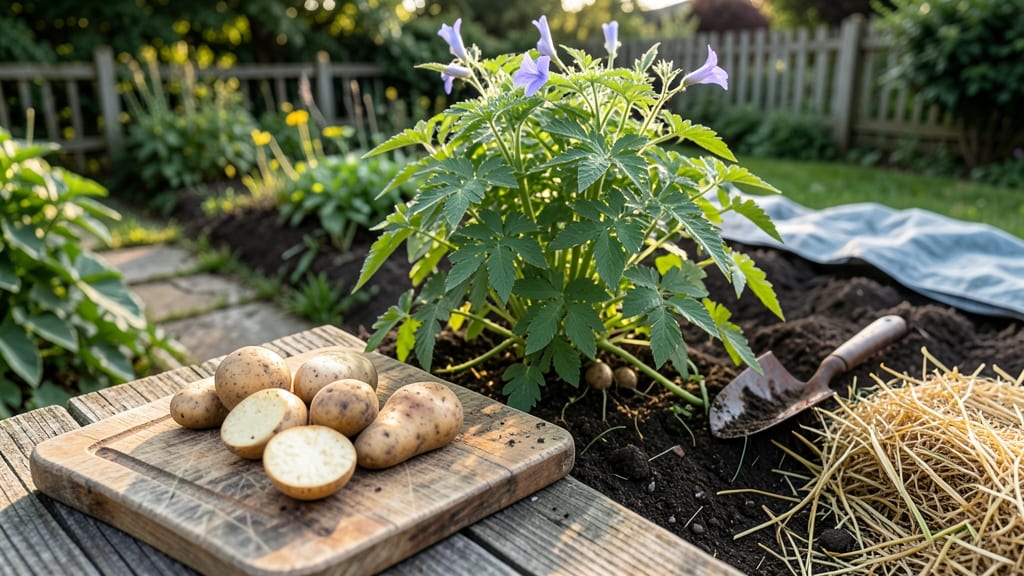
Planting potatoes in Ohio isn't just about digging into the dirt—it's about beating the clock before that last frost strikes. With Zone 6a/6b temperatures fluctuating wildly, timing your 🥔 crop right means the difference between a thriving harvest and a sad, frost-nipped failure.
You've probably heard "plant after the last frost," but Ohio's unpredictable weather throws a wrench in that plan. The ideal window actually opens in early spring (March-April), when soil temperatures hit at least 45°F—not when the calendar says it's safe.
Northern Ohio gardeners should aim for late March, while southern Ohio can start as early as February.
Here's the game-changer: Most Ohio gardeners make one critical mistake—waiting too long. By mid-April, you're racing against time to get a full harvest before summer heat sets in. I'll show you exactly how to calculate your local frost dates and adjust planting schedules to maximize your yield.
Ready to grow potatoes that outperform your neighbors'? Let's dive into the zone-specific deadlines and weather-smart strategies that will have your 🥔 patch producing like a pro, no matter where in Ohio you're gardening.
Ohio’s best potato planting windows by hardiness Zone (4-6)
Ohio’s climate varies dramatically from the northern tier (Zone 4) to the southern border (Zone 6), making precise timing critical for potato success.
In Zone 4, where frosts linger until mid-April, aim to plant seed potatoes 2-4 weeks before your last frost date—typically late March to early April.
Meanwhile, Zone 5 and 6 gardeners can start as early as mid-March, but always wait until soil reaches 45°F+ to avoid stunted growth.
For early spring planting, use black plastic mulch or row covers to warm soil faster, especially in northern Ohio. If your spring stays cold, consider late April planting—just be prepared for a shorter harvest window.
The key is balancing frost risk with soil temperature; potatoes won’t sprout until the ground hits 50°F.
Pro Tip: Check Ohio State University’s Frost Free Date Map (https://agcrops.osu.edu/) for your county’s specific last frost date. In northwest Ohio (Zone 5a), this often lands around April 15, while southeast Ohio (Zone 6b) may see frost-free conditions by April 1.
| Zone | Ideal Planting Window | Soil Temp Threshold | Last Frost Date | Harvest Window |
|---|---|---|---|---|
| Zone 4 (Northeast OH) | Late March–Early April | 45°F+ | April 15–May 1 | July 15–August 15 |
| Zone 5 (Central OH) | Mid-March–Late April | 45°F+ | April 1–April 15 | July 1–August 10 |
| Zone 6 (Southern OH) | Early March–Early April | 45°F+ | March 20–April 1 | June 20–July 30 |
If you miss the primary planting window, don’t panic—Ohio’s short growing season allows for a secondary planting in late May to early June. Choose early-maturing varieties (like ‘Early Red’ or ‘Red LaSoda’) for this backup window, as they’ll still yield 60-90 days after planting.
Just be prepared to harvest by late August before the first frost.
For container gardening, start seed potatoes indoors 2-3 weeks earlier (by late February) and transplant after the last frost. Containers warm up faster, giving you a 2-week head start on in-ground plantings. Use 5-gallon buckets with drainage holes and fill with a mix of potting soil and compost.
Watch for false springs, where warm weather tricks you into planting too early. Ohio’s northern regions can still see frost in May, so always have row covers ready. Harden off seedlings gradually if starting indoors, and avoid planting until nighttime temps stay above 40°F consistently.
Once planted, hill soil around stems every 2-3 weeks to encourage tuber formation. This also protects new growth from late frosts and keeps potatoes out of direct sunlight (which turns them green and toxic). Aim for 12 inches of soil depth over the tubers by harvest time.
For organic gardeners, boost soil warmth with compost or leaf mulch before planting. These materials break down slowly, raising soil temps by 5-10°F and speeding up germination. Pair this with cloche protection for an extra 10-14 days of frost-free growth.
Remember: Ohio’s short growing season (165 frost-free days) demands efficiency. Prioritize fast-maturing varieties and early planting to maximize your harvest before the first frost in mid-October. With the right timing, you’ll pull golden Yukon Golds or crisp Red Pontiacs straight from your garden by July!
How to adjust planting dates for Ohio’s unpredictable weather patterns
Ohio’s weather is famously fickle—one week can bring unexpected late frosts, while the next delivers unseasonably warm spells. To protect your potato crop, flexibility is key. Start by tracking local frost dates using resources like the Old Farmer’s Almanac or your county’s agricultural extension office.
These tools provide real-time frost predictions tailored to your microclimate, helping you avoid planting too early in Zone 4 (northwest Ohio) or too late in Zone 6 (southern Ohio).
If your area experiences late frosts (common in northern Ohio), consider using black plastic mulch or row covers to warm the soil faster. These methods can push your planting window 2-3 weeks earlier by trapping heat and insulating roots.
For example, in Columbus (Zone 6a), you might safely plant early varieties by mid-March with mulch, while Toledo (Zone 5b) gardeners should wait until late April without protection.
- 1. Monitor soil temps: Wait until soil reaches 45°F+ at 4" depth before planting.
- 2. Use row covers: Extend the season by 2-3 weeks with lightweight fabric.
- 3. Plant in stages: Space out seed potatoes every 2 weeks to hedge against frost.
- 4. Choose cold-hardy varieties: Opt for ‘Kennebec’ or ‘Red LaSoda’ for early harvests.
- 5. Backup plan: Save 20% of seed potatoes for a late-April replant if frost strikes.
For gardeners in southern Ohio (Zones 6a/6b), where springs warm quickly, the biggest risk is planting too late. If you miss the ideal March-April window, your potatoes may mature too close to first frost in October, reducing yields.
To mitigate this, select early-maturing varieties (like ‘Yukon Gold’, which harvests in 90 days) and plant by mid-May at the latest. In Cincinnati, this means aiming for April 15 to ensure a July harvest before heat stress sets in.
Another smart strategy is successive planting. Divide your seed potatoes into three batches and plant them 2 weeks apart. This spreads out your harvest and minimizes losses from late frosts or drought.
For example, plant 1/3 of your seed potatoes in early April, another 1/3 in mid-April, and the final batch in late April. This way, even if one batch fails, you’ll still have two healthy harvests.
Don’t overlook container gardening as a backup option. Growing potatoes in deep pots (12"+ depth) lets you move them to sheltered locations if frost threatens. Place containers near south-facing walls or under cloches (glass jars) to extend the season.
This is especially useful in urban gardens where ground planting isn’t feasible.
Finally, keep an eye on the 10-day forecast before planting. If freezing temps are predicted within 5-7 days, delay planting or use row covers for protection.
Ohio’s unpredictable weather means your planting date isn’t set in stone—stay flexible, and your potato crop will thank you with a bountiful harvest! 🌱