
Companion Plants
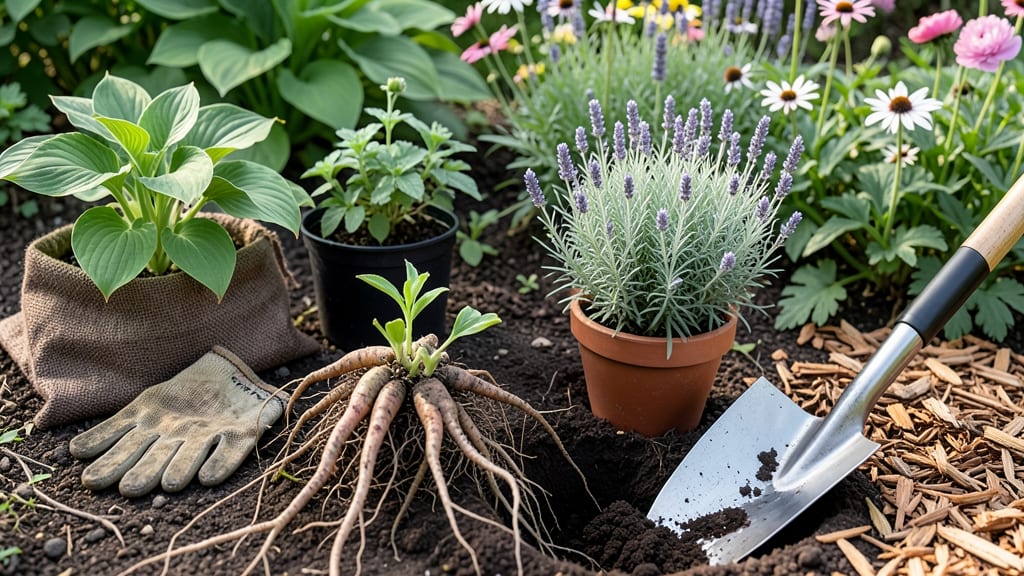
Timing your perennials in Zone 6 isn't just about throwing plants in the ground—it's the difference between a garden that thrives and one that struggles to take root. With Zone 6's unpredictable frost dates, getting the window right means healthier plants and fewer replanting headaches.
Most gardeners know spring and fall are the best times, but the exact weeks matter more than you'd think. Planting too early risks frost damage, while waiting too long can stunt growth.
I'll break down the optimal planting windows for your favorite perennials—like hostas and lavender—so you can avoid common mistakes and give your garden the best start.
Whether you're a first-time gardener or a seasoned pro, these data-backed timing tips will help you plant with confidence. From soil prep to frost dates, we'll cover everything you need to know to make your perennials flourish in Zone 6's climate.
Ready to transform your garden? Let's dive into the exact weeks before last frost that will set your perennials up for success—no guesswork required.
Exact weeks before last frost to plant perennials in Zone 6
Timing is everything when planting perennials in Zone 6. The last frost date—typically around April 15—marks your starting point, but soil temperature and plant type matter just as much.
For bareroot perennials, aim to plant 4–6 weeks before your last frost date to give roots time to establish before warm weather arrives. Container-grown perennials, however, can handle slightly later planting since their root systems are already established.
Soil temperature is your secret weapon. Most perennials thrive when soil reaches 50–60°F. Use a soil thermometer to check—if it’s consistently above 50°F for a week, it’s time to plant.
In Zone 6a (colder sub-zone), wait until late April or early May, while Zone 6b gardeners can start as early as mid-April.
Here’s the golden rule: Hardy perennials like coneflowers and black-eyed Susans can handle early spring planting, but tender varieties like lavender or Russian sage need warmer soil. Always check the USDA Plant Hardiness Zone label for your specific perennial—it’s your planting timeline roadmap.
🌱 Did You Know? Some perennials, like peony and irises, actually prefer fall planting in Zone 6. Plant them 6–8 weeks before your first frost (usually mid-September) to give roots time to anchor before winter.
Perennial Planting Timeline for Zone 6
| Perennial Type | Best Planting Window | Soil Temp Threshold | Weeks Before Last Frost |
|---|---|---|---|
| Hostas | Early spring (April) | 50°F+ | 4-6 weeks |
| Peonies | Fall (September) or early spring | 45°F+ | 6-8 weeks (fall) or 4-6 weeks (spring) |
| Coneflowers | Early spring (April) | 50°F+ | 4-6 weeks |
| Lavender | Late spring (May) or early fall | 60°F+ | 2-4 weeks (spring) or 6-8 weeks (fall) |
| Daylilies | Early spring or fall | 50°F+ | 4-6 weeks (spring) or 6-8 weeks (fall) |
| Russian Sage | Late spring (May) | 60°F+ | 2-4 weeks |
| Black-Eyed Susans | Early spring (April) | 50°F+ | 4-6 weeks |
| Catmint | Late spring (May) | 55°F+ | 2-4 weeks |
*Timing adjusts for Zone 6a (later) vs. Zone 6b (earlier).
Pro tip: If you’re planting container-grown perennials, you can push the timeline later by 2–3 weeks compared to bareroot varieties. Their established roots adapt faster to warmer soil, reducing transplant shock.
For example, lavender in containers can go in as late as mid-May in Zone 6b, while bareroot lavender risks stunted growth if planted after early May.
Don’t forget to prep your soil! Perennials thrive in well-draining, compost-amended soil with a pH between 6.0–
Zone 6 perennial planting calendar: month-by-month breakdown
Timing is everything when planting perennials in Zone 6. Unlike annuals, perennials need time to establish roots before winter sets in.
My month-by-month calendar breaks down the best times to plant, whether you're working with bareroot plants or container-grown perennials, and includes regional adjustments for Appalachian vs. Great Plains microclimates.
In Zone 6, your last average frost date typically falls around April 15, while the first frost usually arrives by October 15. These dates are your planting anchors—plant too early, and you risk frost heave; too late, and roots won’t establish before winter.
Let’s dive into the best monthly windows for planting success.
📅 Zone 6 Perennial Planting Timeline
- February-March: Start container-grown perennials indoors or in a greenhouse. Harden off bareroot perennials if soil is workable (usually after March 15).
- April: Plant hardy perennials (e.g., peony, hosta) 4–6 weeks before last frost. Avoid planting tender perennials (e.g., lavender, salvia) until soil warms to 50°F.
- May: Transition to tender perennials after last frost. Mulch newly planted perennials to retain moisture and regulate soil temperature.
- September: Begin fall planting for perennials like coneflower or black-eyed Susan. Aim to plant 6–8 weeks before first frost.
- October-November: Focus on dividing and transplanting established perennials. Avoid planting new perennials after October 1 in most of Zone 6.
💡 Pro Tip: Use mulch (2–3 inches) after planting to protect roots from temperature swings.
For gardeners in northern Zone 6 (6a), like those in the Appalachians, push planting back by 1–2 weeks to account for cooler soils. In contrast, southern Zone 6 (6b), such as parts of the Great Plains, can often plant 2 weeks earlier thanks to warmer microclimates.
Always check your local frost dates—they can vary by 1–2 weeks even within the same zone.
Container-grown perennials offer more flexibility than bareroot plants. You can plant them 2–3 weeks later in spring because their roots are already established. However, bareroot perennials—like daylilies or irises—should go into the ground as soon as soil is workable to prevent root desiccation.
If you’re unsure, stick to the 4–6 weeks before last frost rule for spring planting.
Fall planting is just as critical as spring. Perennials planted in early September have 6–8 weeks to establish roots before winter. Choose cold-hardy varieties like sedum or Russian sage, and water deeply to encourage root growth. Avoid planting tender perennials in fall—they won’t survive Zone 6 winters.
Remember, the key to successful perennial planting in Zone 6 is preparation. Amend your soil with compost, choose the right planting window, and adjust for your local microclimate. With these steps, your perennials will thrive for years to come. Happy planting! 🌱