
Companion Plants
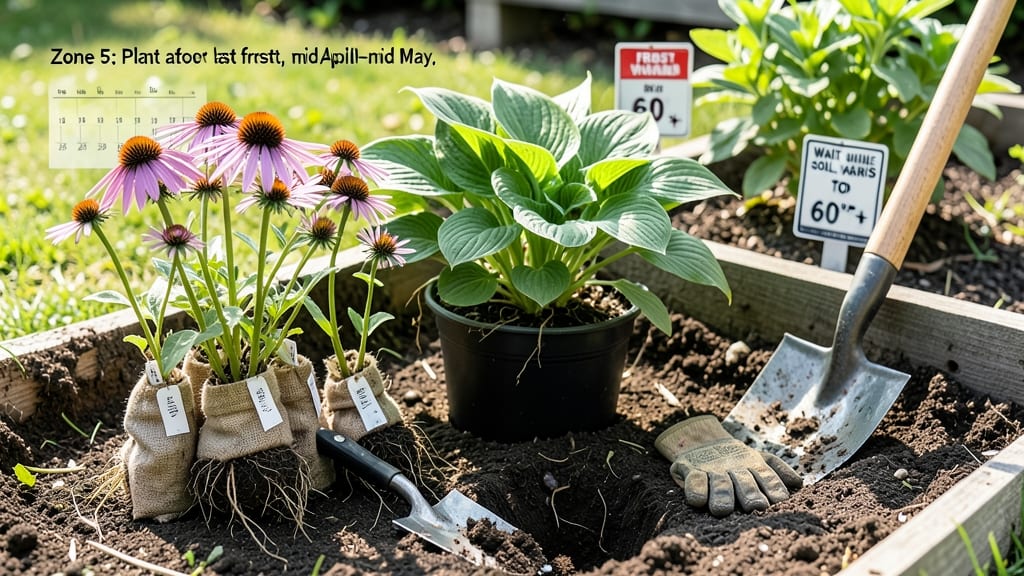
Timing your perennials 🌿 in Zone 5 isn't just about throwing plants into the ground—it's the key to whether they'll survive your first winter or struggle to take root.
The difference between April showers and fall frost can mean the difference between a garden that thrives and one that fights just to stay alive.
You might think all perennials can go in the ground anytime, but that's a common mistake. The truth? Planting too early risks frost damage, while waiting too long means your plants won't establish strong roots before winter.
I'll show you exactly when to plant for maximum success, whether you're working with spring-bloomers or hardy fall varieties.
Most gardeners in Zone 5 focus on two critical windows: early spring (after the last frost) and early fall (6-8 weeks before the first frost). But not all perennials follow the same rules—some need warmer soil, others can handle cooler temperatures.
Let me break down the best months for your specific plants and why timing matters so much.
Ready to give your perennials the best possible start? You'll learn how to read your soil, recognize the perfect planting conditions, and avoid the most common mistakes that sabotage even the hardiest plants. Let's get those roots growing strong!
Best planting months for perennials in Zone 5 by root type
In Zone 5, timing is everything when planting perennials. The difference between a flourishing garden and a struggling one often comes down to whether your plants establish strong roots before winter.
For most perennials, the ideal window is early spring (April–May) or early fall (September–October), but root type plays a critical role in determining the best time.
Perennials generally fall into two root categories: fibrous-rooted (like hostas and daylilies) and tap-rooted (like peonies and lavender). Fibrous-rooted plants thrive when planted in cool, moist soil of early spring, while tap-rooted varieties prefer warmer soil in late spring or early summer.
Understanding these differences ensures your perennials get the best start.
Soil temperature is the key factor in Zone 5 planting. For spring plantings, aim for 50–60°F soil temps—this typically aligns with late April to early May after the last frost.
Fall plantings should occur 6–8 weeks before the first frost (usually mid-September to early October), giving roots time to establish before dormancy.
Hardy perennials like coneflowers and black-eyed Susans can handle cooler soil, but tender varieties like salvia or Russian sage need warmer conditions. Always check your specific plant’s USDA hardiness zone and root type to avoid common mistakes like planting too early or too late.
Here’s how to match root types with the best planting windows in Zone 5:
| Root Type | Best Planting Window | Soil Temp Threshold | Zone 5 Months | Examples |
|---|---|---|---|---|
| Fibrous-Rooted | Early spring or fall | 45–55°F | April–May or Sept–Oct | Hostas, Daylilies, Asters |
| Tap-Rooted | Late spring to early summer | 60–70°F | May–June | Peonies, Lavender, Catmint |
| Bulbous-Rooted | Early fall | 50–60°F | September–October | Daffodils, Alliums, Tulips |
If you’re planting in late spring (June–July), focus on tap-rooted perennials or those with drought tolerance, like Russian sage or sedum. These varieties can handle the heat and still establish roots before winter.
However, avoid planting fibrous-rooted perennials in late summer, as they struggle to root before frost.
Another critical factor is moisture retention. In Zone 5, spring rains often taper off by late May, so newly planted perennials may need weekly deep watering until roots are established. Use mulch (2–3 inches) to retain moisture and regulate soil temperature, especially for fall plantings.
For container-grown perennials, you have slightly more flexibility. These plants can be transplanted throughout the growing season as long as the soil isn’t frozen. However, bare-root perennials (like asparagus or rhubarb) must be planted in early spring to avoid transplant shock.
Pro tip: If you’re unsure about soil temps, use a soil thermometer (available at garden centers for ~$10). Planting when the soil is too cold delays root growth, while too-warm soil can stress tender perennials. Aim for the sweet spot of 50–60°F for most varieties.
Finally, consider your local microclimate. Gardens in low-lying areas may frost later than hilltops, while urban zones can be 5–10°F warmer. Adjust your planting timeline accordingly—observation is key! 🌱
Best planting months for perennials in Zone 5 by root type
In Zone 5, timing your perennial planting around root type and soil temperature is key to success. Fibrous-rooted perennials like coneflowers and black-eyed Susans thrive when planted in early spring (April–May) or early fall (September–October).
Their shallow roots spread quickly in warm soil, giving them time to establish before winter. Meanwhile, tap-rooted varieties like peony or lupine prefer cooler soil—ideal for fall planting (6–8 weeks before frost).
Soil temperature is your best guide: aim for 50°F or warmer for spring planting and 60°F or cooler in fall. Last frost dates in Zone 5 typically land in mid-May, so wait until then to plant tender perennials.
For hardy types, you can push it to late May if soil conditions are right. Fall planting offers a second chance—just ensure roots have 4–6 weeks to establish before winter dormancy sets in.
| Root Type | Ideal Planting Window | Soil Temp Requirement | Zone 5 Months | Examples |
|---|---|---|---|---|
| Fibrous Roots | Spring (after last frost) or Early Fall | 50°F+ (Spring) / 60°F- (Fall) | April–May, September | Coneflower, Black-Eyed Susan, Daylily |
| Tap Roots | Early Fall (6–8 weeks before frost) | 60°F or cooler | September–October | Peony, Lupine, Russian Sage |
| Clumping Roots | Spring (April–May) | 50°F+ | April–May | Hostas, Ferns, Hellebores |
For spring planting, prioritize hardy perennials like coral bells or catmint, which tolerate cooler soil. Tender varieties (e.g., lavender) should wait until late May when nighttime temperatures stay above 50°F.
In fall, focus on root establishment—avoid planting late if your first frost arrives by mid-October. Mulch newly planted perennials with 2–3 inches of organic mulch to insulate roots and retain moisture through winter.
Pro tip: Dividing perennials in early spring (March–April) gives them extra time to recover before summer heat. For example, daylilies or iris benefit from division in spring, while sedum or heuchera can handle fall division.
Always water deeply after planting to reduce transplant shock, especially in dry Zone 5 summers. A drip irrigation system can save time and ensure consistent moisture.
Don’t overlook microclimates in your garden. South-facing beds warm up faster, making them ideal for early spring planting, while north-facing areas may require waiting until late May. Use a soil thermometer to check temperatures at 4-inch depth—the sweet spot for most perennials.
If your soil is still chilly in May, opt for container planting to control temperature and moisture.
Remember, Zone 5’s short growing season demands efficiency. By aligning planting with root type and soil conditions, you’ll give your perennials the best shot at thriving year after year. Start with smaller batches if you’re unsure about timing—it’s easier to expand than replant! 🌱