
How To
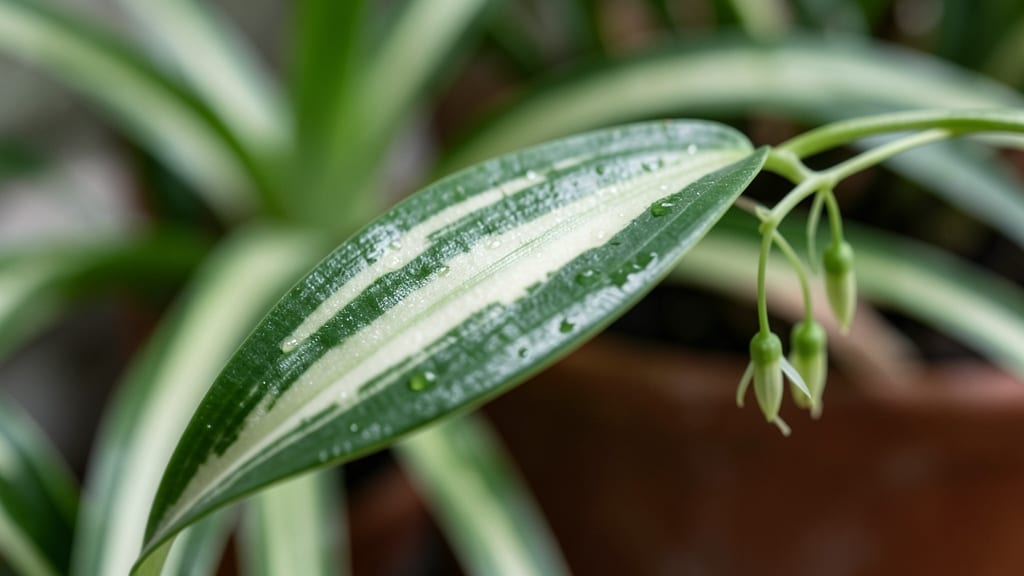
If your 🕷️ spider plant is losing its signature stripes or growing leggy, the culprit is almost always light—and you're not alone in guessing how much it needs.
Too little light dulls those vibrant patterns, while too much can scorch delicate leaves, leaving you frustrated and wondering what went wrong.
Here's the truth: spider plants thrive in bright indirect light for about 4-6 hours daily, but they're surprisingly adaptable. Whether you're dealing with a dim office corner or a sun-drenched windowsill, understanding their light preferences is the key to keeping them lush and variegated year-round.
I'll show you exactly how to spot light-related issues in your plant—from faded stripes to crispy edges—and how to adjust your setup for optimal growth. Even if your space lacks natural light, I've got solutions that'll keep your spider plant happy without breaking the bank.
Ready to transform your plant's appearance? Let's dive into the perfect lighting conditions that'll have your spider plant looking its absolute best in no time.
Ideal light requirements for spider plant growth and variegation
Your spider plant (Chlorophytum comosum) thrives in bright indirect light, which is the sweet spot for maintaining its signature striped variegation. This means placing it near a window where sunlight filters through sheer curtains—think east or north-facing spots.
Direct midday sun can scorch those beautiful leaves, while too little light dulls the stripes and slows growth.
Indoors, aim for 4-6 hours of indirect light daily. If your home has low natural light, don’t panic—spider plants are adaptable. They’ll survive in moderate indirect light (like a few feet from a west-facing window), though their growth may be slower and stripes less vibrant.
The key is consistency: avoid sudden light changes, which can stress the plant and cause brown tips.
Outdoors, spider plants love dappled shade under trees or on shaded patios. They’re not fans of harsh afternoon sun, which can bleach the leaves or cause crispy edges. If you’re growing yours outside during summer, monitor it closely—even partial shade might need adjustment if the sun intensifies.
A simple trick? Rotate the pot every few weeks to ensure even light exposure all around.
Seasonal adjustments are crucial. In spring and summer, when sunlight is strongest, your spider plant may need to be moved back from the window slightly.
Conversely, in fall and winter, when natural light dims, supplement with a grow light if you notice the leaves stretching toward the window—a classic sign of light deprivation.
Here’s a pro tip: Variegation intensity (those stunning stripes) depends on light. The more indirect light your spider plant gets, the bolder and more defined the stripes will be. If you’re growing a variegated variety, prioritize bright indirect light to keep those patterns popping.
Even a solid green spider plant will grow faster in optimal light, though it won’t have the same visual flair.
| Light Condition | Ideal Placement | Growth Impact | Variegation Effect |
|---|---|---|---|
| Bright Indirect Light | East/west window, 2-3 ft away | Fast, bushy growth | Bold, defined stripes |
| Moderate Indirect Light | North window, 3-5 ft away | Slower growth, leggy | Faded stripes |
| Low Light | Corner, no direct sun | Very slow growth | Stripes disappear |
| Direct Sunlight | South window, no filter | Burnt leaf edges | Bleached, dull leaves |
If you’re unsure about your home’s light levels, here’s a quick test: Place your spider plant in its usual spot for a week. After 7 days, check the leaves. If they’re dark green and upright, you’re in the ideal range.
If they’re pale and stretched, it’s time to move it closer to a brighter window or add a grow light. Conversely, if the leaves are yellowing or crispy, it’s getting too much direct sun—move it back or add a sheer curtain.
For artificial lighting, LED grow lights are your best bet. A 12-inch bulb placed 6-12 inches above the plant mimics natural light perfectly. Run it for 12-14 hours daily to compensate for low-light conditions.
Fluorescent bulbs work too, but they’re less efficient. The goal is to replicate the bright indirect light your spider plant craves, even if your home lacks natural windows.
Remember, spider plants are forgiving. They’ll survive in less-than-ideal light, but they’ll thrive when given the right conditions. Pay attention to those leaves—they’re your plant’s way of communicating. Adjust gradually, and soon you’ll have a lush, striped spider plant that’s the envy of every plant parent.
Ideal light requirements for spider plant growth and variegation
Your spider plant thrives in bright indirect light, which is the sweet spot for maintaining its signature striped foliage. Too little light dulls the variegation, while too much causes brown tips and crispy edges.
Aim for 4-6 hours of filtered sunlight daily—think dappled shade from a sheer curtain or an east-facing window.
The key is replicating natural forest floor lighting, where sunlight filters through tree canopies. Place your plant 2-3 feet away from a window to avoid harsh direct rays, especially during peak afternoon sun. South-facing windows can work but require extra distance or a sheer curtain to diffuse intensity.
| Light Condition | Ideal Hours | Variegation Impact | Window Placement |
|---|---|---|---|
| Bright Indirect | 4-6 hours | Vibrant stripes maintained | East or North window |
| Low Light | 2-3 hours | Faded stripes, leggy growth | North-facing room |
| Direct Sun | >6 hours | Brown tips, bleached leaves | South/West window |
Seasonal adjustments are crucial. In summer months, move your plant further from windows to prevent leaf scorch, especially if you notice crispy edges. During winter, when sunlight is weaker, rotate your plant quarter-turns weekly to ensure even growth and prevent lopsided development.
For outdoor cultivation, place your spider plant under 50% shade cloth or in a spot with morning sun and afternoon shade. Avoid harsh afternoon rays, which can cause irreversible damage to the delicate foliage.
Container-grown plants can be moved outdoors in spring but should be acclimated gradually over 2-3 weeks.
If your home lacks natural light, grow lights can be a game-changer. LED grow lights with a 5000-6500K color temperature mimic natural sunlight and should be placed 6-12 inches above the plant for 12-14 hours daily. This setup ensures consistent variegation even in dimly lit offices or basements.
Remember, the goal is to balance light intensity and duration—your spider plant will reward you with lush, striped growth that stays healthy year-round. 🌱