
Plants
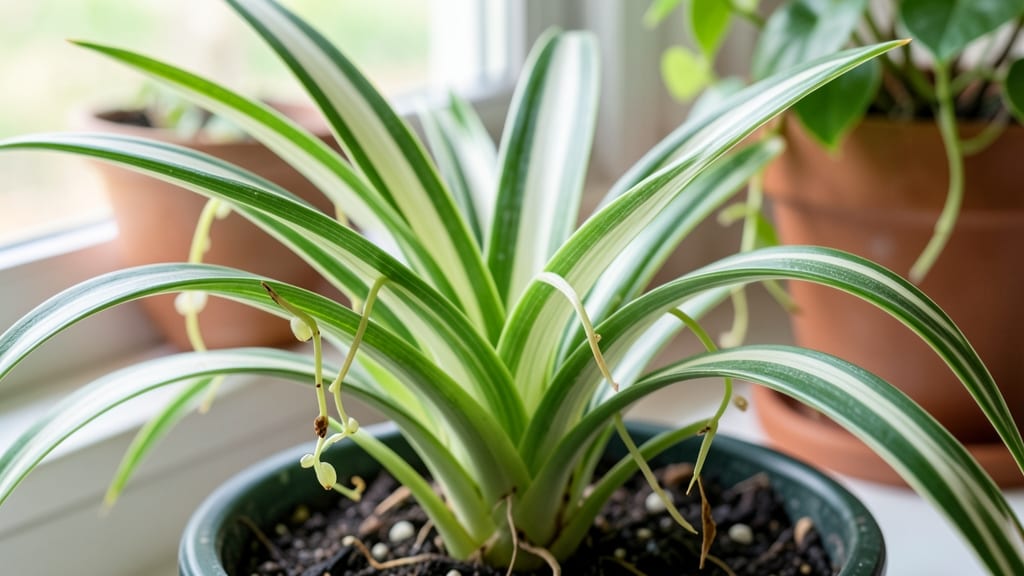
Figuring out how much light a spider plant 🕷️ requires can feel like solving a puzzle—too little, and it stretches out like a sleepy cat; too much, and it burns like a summer sunburn.
The good news? Spider plants are forgiving, but they do thrive when you nail that sweet spot of bright, indirect sunlight.
If your spider plant looks a little sad—leggy stems or crispy brown tips—it’s probably begging for a light adjustment. I’ve seen these plants bounce back from neglect, but the key is understanding their light preferences.
Whether you’re placing it near a window or relying on artificial grow lights, small tweaks can make a huge difference in its health.
Let’s break it down: Spider plants love bright indirect light, but they’re not picky about intensity. East-facing windows are ideal, but north-facing spots work too. The goal? Mimic dappled forest light—think shade under a tree, not harsh midday sun.
I’ll show you exactly how to spot the signs of too much (or too little) light and fix it fast.
Ready to turn your spider plant into a lush, happy houseplant? You’ll learn the exact light conditions it craves, plus pro tips for keeping it thriving year-round—even in low-light apartments. Let’s get started!

Ideal light requirements for spider plants: bright indirect sunlight explained
Spider plants (Chlorophytum comosum) thrive in bright indirect sunlight, making them perfect for homes with limited direct sunlight exposure. Unlike sun-loving plants, they avoid harsh rays that can scorch their leaves, but they also won’t flourish in deep shade.
The key is finding that sweet spot where they get enough light for photosynthesis without stress.
Think of their ideal light as the equivalent of a dappled forest floor—bright but filtered. This mimics their natural habitat in South Africa, where they grow under trees. In indoor settings, an east-facing window provides gentle morning light, while a north-facing window offers consistent indirect light all day.
West or south windows can work too, but only if you place your plant 3-5 feet away to avoid intense afternoon sun.
For those with artificial lighting, LED grow lights (12-16 hours daily) can supplement natural light, especially in winter months when days grow shorter. Position the light 6-12 inches above the plant and keep it on for 10-12 hours to mimic daylight.
This is particularly helpful for spider plants in offices or basements where natural light is scarce.
Here’s a quick breakdown of what your spider plant needs:
| Light Condition | Ideal Placement | Daily Duration | Growth Impact |
|---|---|---|---|
| Bright Indirect Light | East/West window, 2-3 ft away | 4-6 hours | Healthy, vibrant growth |
| Medium Indirect Light | North window, 1-2 ft away | 2-4 hours | Slower growth, tolerable |
| Low Light | Basement, office corner | Less than 2 hours | Leggy growth, pale leaves |
| Direct Sunlight | South window, no filter | More than 6 hours | Brown tips, leaf burn |
Understanding the photosynthesis efficiency of spider plants helps explain why they prefer indirect light. Their leaves contain chlorophyll, which absorbs light to convert carbon dioxide and water into energy. However, too much direct sunlight can overwhelm their cells, leading to oxidative stress and those dreaded brown tips.
In contrast, bright indirect light provides enough energy without causing damage, resulting in lush, arching foliage and frequent "spiderettes" (baby plants).
If you’re unsure about your home’s light conditions, try this simple test: Hold a piece of white paper near your plant during the brightest part of the day. If the paper casts a sharp, dark shadow, the light is too direct.
If the shadow is soft and diffuse, you’ve hit the sweet spot for your spider plant’s happiness.
Seasonal changes also affect light exposure. During summer, when sunlight is intense, move your spider plant further from windows or use a sheer curtain to filter the light.
In winter, when days are shorter, supplement with a grow light or rotate the pot to ensure even growth on all sides. This adjustment prevents one-sided growth and keeps your plant looking balanced.
For those with variegated spider plants (like 'Variegata'), light requirements are even more critical. Their white stripes need extra light to stay vibrant, so place them in the brightest indirect spot you can find.
Without enough light, the white variegation can fade, leaving you with a dull, green plant that loses its charm.
Pro tip: Rotate your spider plant quarter-turns every 2-3 weeks to ensure all sides receive equal light exposure. This prevents the plant from leaning toward the light source, which can make it look lopsided.
A well-lit, evenly grown spider plant is a sight to behold—with its arching leaves and cascading spiderettes, it’s like a natural indoor waterfall.
Remember, spider plants are forgiving—they can tolerate some deviation from ideal conditions. But to keep them thriving, aim for bright indirect light and watch as they reward you with year-round growth and those adorable baby plants that make propagating so easy.
Ideal light requirements for spider plants: bright indirect sunlight explained
Spider plants (Chlorophytum comosum) thrive in bright indirect sunlight, making them perfect for indoor spaces with natural light. Unlike sun-loving plants, they avoid harsh rays that can scorch their arching green-and-white striped leaves.
The key is mimicking their natural habitat under dappled forest light, where sunlight filters through tree canopies.
For optimal growth, place your spider plant 2-3 feet away from an east or north-facing window. These windows provide gentle morning light without intense afternoon sun.
West-facing windows can work, but you’ll need to move the plant back 4-5 feet to prevent leaf burn during peak sun hours (12 PM–3 PM).
| Light Condition | Ideal Placement | Growth Impact |
|---|---|---|
| Bright Indirect | East/west window, 2-3 ft away | Healthy, vibrant leaves 🌿 |
| Low Light | North window or 5+ ft from window | Leggy growth, sparse foliage 🌱 |
| Direct Sun | South window, no filter | Brown tips, crispy edges 🔥 |
If your home lacks natural light, supplement with a 10-12 hour grow light (LED or fluorescent) placed 6-12 inches above the plant. Use a timer for consistency—spider plants love predictable light cycles.
For outdoor cultivation in USDA Zone 6+, place them in partial shade (30-50% sunlight) during summer months to protect from intense midday rays.
Rotate your spider plant quarter-turns every 2 weeks to ensure even light exposure. This prevents leggy growth (stretched, weak stems) caused by uneven light. Notice how the leaves lean toward the light?
That’s your plant’s way of saying, “Move me closer!” But never place it in direct sun—those crispy brown tips are a sure sign of sunburn.
Pro tip: The variegated varieties (like 'Variegata') need slightly more light to maintain their striking white stripes. If the white parts turn green, it’s a cry for more brightness.
Conversely, solid green varieties like 'Bonnie' are more forgiving in low-light conditions, making them ideal for offices or dimly lit rooms.
Remember, spider plants are adaptable but not indestructible. Start with bright indirect light, monitor their response, and adjust gradually. Your goal is lush, arching foliage—not crispy edges or sad, sparse leaves.
With the right light, your spider plant will reward you with vigorous growth and those adorable "spiderettes" (baby plants)! 🕷️