
Plants
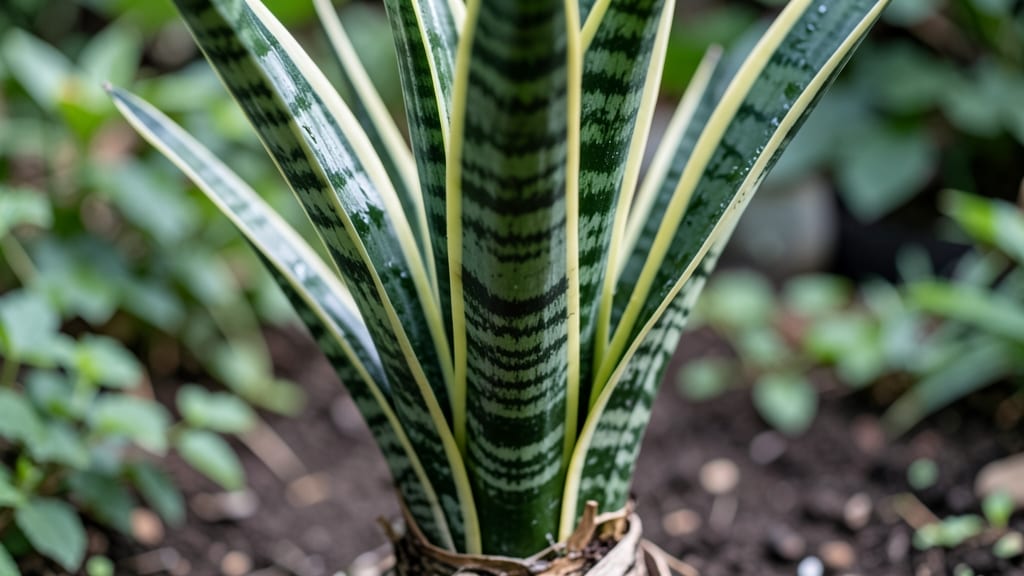
If you’ve ever wondered how tall a snake plant will grow 🌿 and whether it’ll soon stretch taller than your ceiling, you’re not alone. This resilient houseplant can grow surprisingly fast—or frustratingly slow—depending on a few key factors you might not realize you’re controlling.
The average snake plant reaches between 1 and 4 feet indoors, but some varieties like Futura Superba can top 4 feet with ideal care.
Whether you’re dealing with a compact Mother-in-Law’s Tongue or a towering giant, understanding how light, pot size, and watering habits influence growth is the secret to keeping it at your desired height.
What’s even better? You can prune or repot to control its size, ensuring it stays the perfect height for your space. I’ll walk you through the exact steps to manage growth—so you can enjoy your snake plant’s beauty without it taking over your room.
Let’s dive into the factors that determine how tall your snake plant will grow and how to keep it thriving at the perfect height for years to come.


Snake plant height limits: indoor growth range by variety and conditions
Snake plants (Sansevieria) are known for their slow, steady growth, but their final height can vary dramatically based on the variety and growing conditions. On average, most indoor snake plants reach 2 to 4 feet tall, though some dwarf varieties stay under 1 foot.
The most common type, Sansevieria trifasciata (often called "Mother-in-Law’s Tongue"), typically grows 3 to 4 feet tall indoors with proper care.
If you’re working with limited space, varieties like Sansevieria 'Futura Superba' or 'Hahnii' (often called "Bird’s Nest") remain compact, maxing out at 1 to 2 feet. These smaller varieties are ideal for apartments, offices, or windowsills where vertical space is limited.
Understanding these differences helps you choose the right variety for your home’s layout.
Growth rates also depend on age—young snake plants grow faster in their first few years, adding 6 to 12 inches annually. After reaching maturity (usually 3 to 5 years old), their growth slows significantly, sometimes adding just 1 to 2 inches per year.
This gradual growth makes them low-maintenance but requires patience if you’re aiming for a specific height.
Light exposure plays a crucial role in height. Snake plants grown in bright, indirect light tend to grow taller and fuller, while those in low-light conditions may stay shorter but denser.
For example, a 'Laurentii' variety in a sunroom might reach 4 feet, whereas the same plant in a dim corner could max out at 2 feet. Always place your snake plant near a window but avoid direct afternoon sun, which can scorch the leaves.
| Variety | Average Indoor Height | Growth Rate | Best For |
|---|---|---|---|
| Sansevieria trifasciata ('Mother-in-Law’s Tongue') | 3–4 ft | 6–12 in/year (young) | Spacious rooms, statement plants |
| Sansevieria 'Futura Superba' | 1–2 ft | 3–6 in/year | Small spaces, offices |
| Sansevieria 'Hahnii' ('Bird’s Nest') | 1–1.5 ft | 2–4 in/year | Desks, shelves, terrariums |
| Sansevieria cylindrica | 2–3 ft | 4–8 in/year | Vertical gardens, mid-sized rooms |
Note: Heights vary based on light, pot size, and care. Outdoor plants may grow taller (up to 6 ft).
Pot size also influences height—snake plants in smaller containers (under 6 inches in diameter) grow slower and stay shorter, while those in large pots (10+ inches) can reach their full height potential.
For example, a 'Laurentii' in a 12-inch pot might grow 4 feet tall, but the same plant in a 4-inch pot could stay under 2 feet. If you’re aiming for a compact plant, choose a smaller pot and avoid repotting too frequently.
Age is another critical factor. A 5-year-old snake plant will naturally be taller than a 1-year-old, even if given identical care. For instance, a 'Moonshine' variety might only reach 1.5 feet at age 2 but grow to 3 feet by age 5.
Patience is key—rushing growth with overwatering or excessive fertilizer can stress the plant and stunt its development.
Finally, humidity and temperature affect growth rates. Snake plants thrive in average household conditions (60–80°F) and 30–50% humidity, but lower humidity can slow growth. If your home is dry (common in winter), consider placing a pebble tray near the plant to encourage steady, healthy growth without sudden height spikes.
To summarize, your snake plant’s height depends on variety, light, pot size, and age. By choosing the right type and providing consistent care, you can ensure it grows to a size that fits your space—whether that’s a towering statement piece or a compact desk companion.
Key factors that control snake plant height (and how to optimize them)
Your snake plant’s height isn’t set in stone—it’s shaped by a mix of environmental factors and your care habits. While some varieties naturally grow taller, others stay compact.
Understanding these height-controlling factors lets you steer your plant’s growth toward your ideal size, whether that’s a floor-length statement piece or a countertop-friendly compact plant.
One of the biggest influences is light exposure. Snake plants crave bright, indirect light to fuel steady growth, but too much direct sun can stress them, stunting height. Place yours near a north-facing window for balanced growth, or use grow lights if natural light is limited.
Low light slows growth, but it won’t kill your plant—just expect a slower, bushier (but shorter) form.
Pot size also plays a role. A cramped container forces roots to compete for space, often resulting in a shorter, stockier plant. If you want your snake plant to reach its full height potential, choose a container that’s 1-2 inches wider than the plant’s base. For slower growers, a slightly smaller pot can encourage denser foliage instead of rapid height spikes.
Age matters too—young snake plants grow faster vertically in their first few years, while mature plants focus on leaf thickness and width. If you’re starting with a baby snake plant, expect 1-2 feet of growth per year under ideal conditions.
After 3-4 years, growth slows, and the plant may only add 6-12 inches annually.
Don’t overlook fertilizer. A balanced, diluted fertilizer (like 10-10-10) applied every 4-6 weeks in spring and summer gives your plant the nutrients it needs to grow tall and strong. Skip fertilizing in fall and winter, as your snake plant enters a dormant phase when growth naturally slows.
Too much fertilizer can burn roots and stunt growth, so always follow the package instructions.
Finally, pruning isn’t just for shaping—it’s a tool to control height. Trimming yellow or damaged leaves at the base encourages new growth from the crown, which can redirect energy toward a bushier, shorter form.
For dramatic height reduction, cut back overly tall leaves and propagate the cuttings to grow new plants. Just avoid cutting more than 1/3 of the plant at once to prevent stress.