
Size
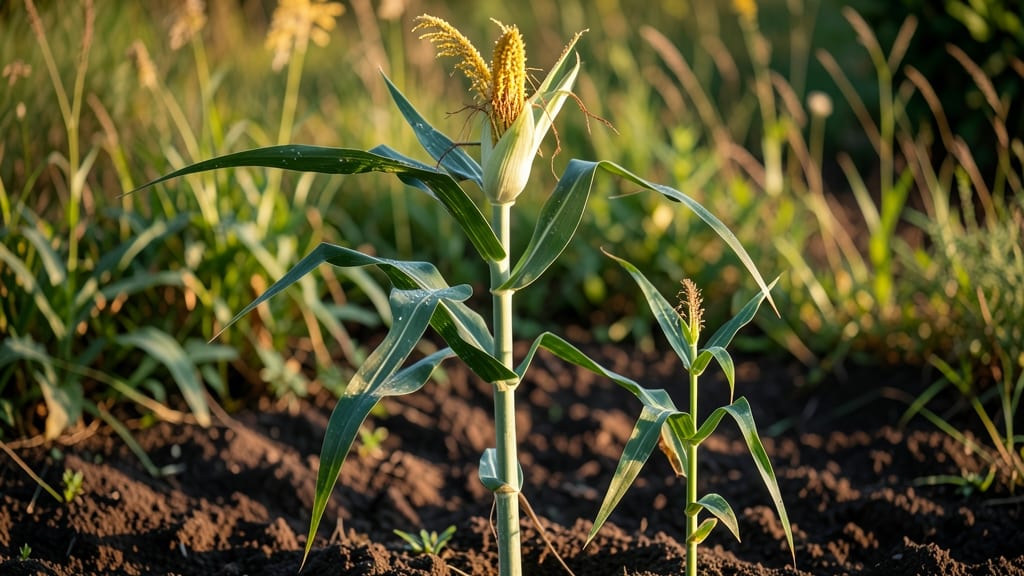
If you’ve ever imagined your backyard transformed into a lush cornfield with towering 🌽 stalks reaching toward the sky, you’re not alone—but how tall can a corn plant actually grow? The answer might surprise you, as some varieties stretch over 10 feet while others stay compact enough for containers.
For most gardeners in USDA Zone 6a, corn height ranges dramatically depending on the variety you choose. Sweet corn typically hits 5–8 feet, while field corn can soar to 12 feet or more.
Whether you’re dreaming of a dramatic backyard corn maze or just curious about the tallest edible plants, understanding these differences is the key to planning your spring planting.
But here’s the catch: genetics aren’t the only factor. Soil quality, sunlight exposure, and even your watering habits play a role in determining how tall your corn will grow.
We’ll break down the science behind it—plus practical tips to help you maximize height (or keep it manageable) without sacrificing yield or plant health.
Ready to turn your garden into a corn-filled wonderland? Let’s explore the varieties that defy expectations, the secrets to supporting sky-high stalks, and why some gardeners swear by dwarf corn for small spaces. Your perfect corn height is just a few rows away!


Corn plant height by variety: from dwarf to sky-high stalks
Corn plants can grow from 3-foot ornamental varieties to 12-foot giants, making them one of the most dramatic vegetables in any garden. The height of your corn depends entirely on the variety you choose, with some bred specifically for compact spaces while others reach skyward like natural skyscrapers.
Understanding these differences helps you select the perfect corn for your backyard, container garden, or even your community garden plot.
Most home gardeners grow standard sweet corn varieties that reach 6 to 10 feet tall, perfect for harvesting ears at waist height or higher. These varieties, like 'Silver Queen' or 'Golden Bantam,' strike a balance between manageable height and productive yields.
Meanwhile, ornamental corn (often grown for dried decorations) stays on the shorter side at 3 to 5 feet, making it ideal for small spaces or urban gardens.
🌽
Corn Height Guide by Variety
| Variety Type | Height Range | Best For | Notes |
|---|---|---|---|
| Dwarf Sweet Corn | 3–5 ft | Containers, small gardens | Early maturing, great for kids to harvest |
| Semi-Dwarf Sweet Corn | 5–7 ft | Backyard gardens, raised beds | Balanced height, good for pollination |
| Standard Sweet Corn | 7–10 ft | Traditional gardens, high yields | Popular varieties like 'Golden Bantam' |
| Giant/Field Corn | 10–12+ ft | Large plots, ornamental displays | Needs staking, 'Country Gentleman' reaches 12 ft |
| Ornamental Corn | 3–6 ft | Dried arrangements, fall decor | Non-edible, colorful husks for crafts |
💡 Pro Tip: For home gardens, semi-dwarf varieties offer the best balance between space efficiency and harvest yield.
If you're dreaming of giant corn stalks that dwarf your neighbors' fences, varieties like 'Country Gentleman' or 'Mammoth Melting' can reach 10 to 12 feet with proper care.
These towering plants require rich soil, consistent watering, and often staking to prevent them from toppling over in wind or rain. For container gardening, stick to dwarf varieties like 'Tom Thumb' or 'Golden Midget,' which thrive in 5-gallon pots and stay under 4 feet tall.
One common misconception is that all corn needs massive garden space. In reality, planting corn in blocks (not rows) maximizes pollination and allows you to grow multiple varieties in a small area.
For example, you can interplant a 5-foot semi-dwarf with a 3-foot ornamental for a visually stunning and functional garden. Just ensure each plant has 12–18 inches of space between stalks to avoid competition for nutrients.
For regional considerations, taller corn varieties often perform better in warmer climates with longer growing seasons, while dwarf varieties excel in shorter seasons or cooler zones.
If you're in USDA Zone 5 or below, opt for early-maturing dwarf varieties like 'Early Sunglow' to ensure a successful harvest before frost. In Zones 7–10, you can push the limits with giant varieties and enjoy multiple harvests throughout the summer.
🌿
When selecting seeds, always check the seed packet for mature height estimates. Many hybrid varieties now include disease resistance and shorter stature, making them ideal for modern gardens. For instance, 'Peaches and Cream' is a 7-foot standard variety that's also disease-resistant, while 'Bodacious' is a 6-foot semi-dwarf perfect for raised beds.
If you're growing corn for ornamental purposes
Factors that determine how tall your corn will grow
Corn height isn’t just about genetics—it’s a dance between what’s in your DNA of the seed and the conditions you provide. Genetics set the baseline, but sunlight exposure, soil nutrients, and even watering habits can push those stalks toward the sky—or keep them stunted.
Think of it like giving a child their family’s height potential but then deciding whether they’ll grow up strong or struggle to reach their full potential.
First, let’s talk sunlight. Corn is a sun-worshipper, craving 6-8 hours of direct light daily. Even an hour less can stunt growth by 1-2 feet. My backyard corn once grew 10 feet tall in full sun but only reached 6 feet in a partially shaded spot.
Shade isn’t just about height—it also affects ear development and kernel quality.
Next, your soil nutrients play a starring role. Corn is a heavy feeder, especially during the 6-8 week period when ears form. A balanced fertilizer (10-10-10 NPK) applied every 4-6 weeks can boost height by 20-30%.
But beware: too much nitrogen without phosphorus or potassium leads to leafy growth at the expense of stalks. I once over-fertilized with nitrogen and ended up with 8-foot-tall plants with tiny ears—a classic case of "all leaves, no corn."
Watering is another critical factor. Corn needs 1-2 inches of water weekly, but inconsistent moisture causes stress that stunts growth. Deep watering morning and evening (not at night!) keeps roots healthy and stalks sturdy.
My neighbor’s corn once lodged (fell over) because of uneven watering—something you can avoid with consistent care.
Don’t overlook climate and temperature. Corn thrives in warm seasons (70-85°F), but extreme heat or cold can slow growth. Early spring or late summer planting might delay maturity, giving you shorter stalks or smaller ears.
Even wind exposure matters—strong winds can cause lodging, especially in tall varieties like 'Country Gentleman'.
Finally, spacing and support influence height. Crowded plants compete for nutrients, leading to shorter, weaker stalks. Give tall varieties 12-18 inches between plants and consider staking or trellising for varieties over 8 feet.
I use bamboo stakes for my 10-foot corn, tying them loosely as they grow to avoid damaging the stalks.
Here’s the bottom line: with the right genetics, sunlight, nutrients, and care, you can coax even dwarf varieties to grow taller—or push giant varieties to reach their full potential. The key is consistency and attention to detail.
🌱 Factors Affecting Corn Height
| Factor | Impact on Height | Actionable Tip |
|---|---|---|
| Genetics | Sets baseline (3-12 ft) | Choose varieties matching your space |
| Sunlight | ↑6-8 hrs = +1-2 ft growth | Plant in full sun; avoid shade |
| Soil Nutrients | Balanced NPK = +20-30% | Fertilize every 4-6 weeks |
| Watering | Consistent = sturdy stalks | 1-2" weekly; morning/evening |
| Spacing | ↑12" = taller, healthier plants | 12-18" for tall varieties |
Now that you know the factors, you can troubleshoot height issues. If your corn is shorter than expected, check for nutrient deficiencies, poor sunlight, or overcrowding.
Adjust your care plan, and watch those stalks reach new heights! The secret to giant corn isn’t magic—it’s science, patience, and a little elbow grease.