
How To
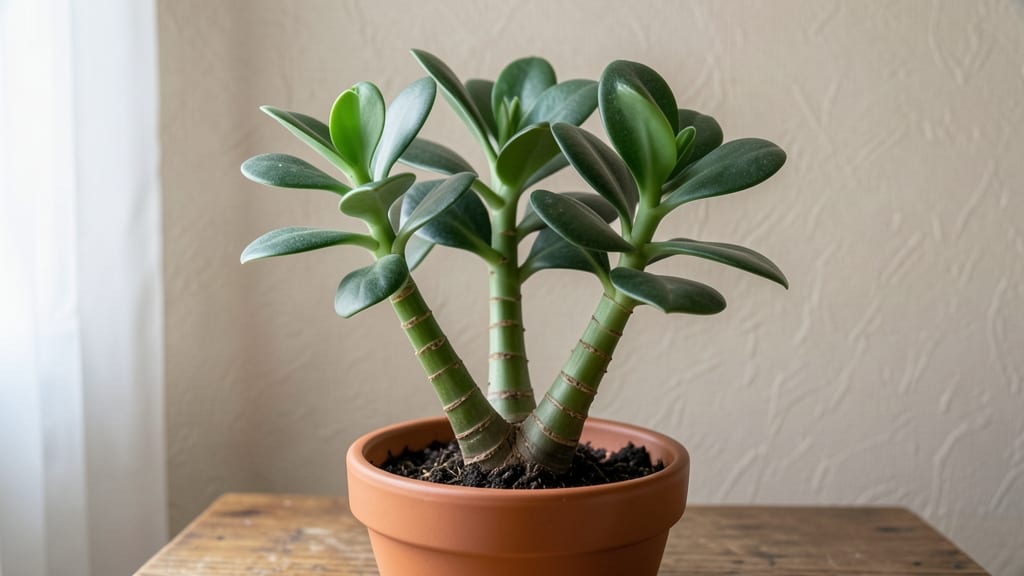
Wondering how tall does ZZ plant grow before it starts taking over your space? This glossy, low-maintenance beauty stays surprisingly compact—perfect for apartments, offices, or even tiny shelves.
The ZZ plant (Zamioculcas zamiifolia) typically reaches 2-3 feet tall indoors, making it ideal for small spaces. With the right care, you can keep it even smaller or encourage bushier growth instead of letting it stretch toward the ceiling.
Whether you're a beginner or a plant enthusiast, understanding how light, pot size, and pruning affect its height will help you control its growth effortlessly. Let’s break down exactly what to expect and how to keep your ZZ plant thriving.
From indoor setups to occasional outdoor exposure, we’ll cover everything so you can enjoy this drought-resistant star without worrying about it outgrowing your home.


ZZ plant height range: how tall it grows indoors vs. outdoors
The ZZ plant (Zamioculcas zamiifolia) is famous for its slow, steady growth—making it perfect for small spaces. On average, it reaches a mature height of 2-3 feet indoors, but outdoor conditions can push it slightly taller.
Understanding these growth patterns helps you plan where to place your plant and how to control its size. Whether you're working with a 6-inch starter plant or a mature specimen, knowing the right care keeps it compact and healthy.
Indoors, your ZZ plant will typically grow between 1-3 feet tall over 2-3 years, depending on light exposure and pot size. Outdoors, in warmer climates like USDA Zone 9-11, it can stretch to 3-4 feet with more sunlight and space.
The key difference? Indoor plants grow slower due to limited light, while outdoor plants thrive with natural sunlight and larger root systems. Let’s break down the specifics to help you manage your plant’s height effectively.
| Growth Factor | Indoor Height Range | Outdoor Height Range | Key Influences |
|---|---|---|---|
| Mature Size | 2-3 feet | 3-4 feet | Light, pot size, pruning |
| Growth Speed | Slow (1-2 ft/year) | Moderate (2-3 ft/year) | Sunlight, temperature, soil |
| First Year | 6-12 inches | 12-18 inches | Root development |
| Second Year | 1-2 feet | 2-3 feet | Fertilizer, light |
| Third Year+ | 2-3 feet (plateau) | 3-4 feet (steady) | Pruning, repotting |
Light is the biggest factor in determining your ZZ plant’s height. In low-light conditions, like a north-facing window, growth slows dramatically, often resulting in a shorter, bushier plant.
If you notice your plant stretching toward a light source, it’s time to move it closer to a window or add a grow light for 4-6 hours daily. This prevents the "leggy" look that makes plants appear taller than they should.
Pot size also plays a crucial role. A smaller pot (6-8 inches) restricts root growth, keeping your plant compact. If you repot into a large container too soon, the plant may focus on filling the extra space, leading to taller stems.
Always choose a pot that’s only 1-2 inches larger in diameter than the current root ball. This simple trick helps maintain your desired height while encouraging a fuller, healthier plant.
Pruning is another powerful tool to control your ZZ plant’s height. You can trim back leggy stems to encourage bushier growth and prevent overgrowth. Simply snip the stem above a leaf node (where new leaves grow), and the plant will redirect energy to fill out.
This method works year-round but is especially useful in spring and summer when growth is most active. Just avoid heavy pruning in winter, as the plant enters a natural dormancy period.
Outdoor ZZ plants, if given the right conditions, can grow taller but also wider. In USDA Zones 9-11, they thrive in partial shade, reaching heights of 3-4 feet while spreading 2-3 feet wide.
If you’re growing yours outdoors, monitor its progress and consider staking or trellising to support taller stems. Just remember: outdoor plants need well-draining soil and protection from harsh afternoon sun to prevent leaf scorch.
One common misconception is that ZZ plants grow indefinitely. While they can live for years, their growth slows significantly after 2-3 years, plateauing at their mature size.
If your plant suddenly starts growing taller than expected, check for overwatering or excessive fertilizer, which can stimulate rapid (but often weak) growth. Stick to a light feeding schedule—every 2-3 months with a balanced fertilizer—to keep growth steady and controlled.
For those with limited space, consider growing your ZZ plant in a hanging basket. This not only saves floor space but also encourages a trailing habit, where stems grow downward, creating a cascading effect.
Just ensure the basket has drainage holes and use a lightweight potting mix to prevent root rot. This method is perfect for apartment living or small offices where vertical space is at a premium.
If you’re still unsure about your plant’s growth potential, observe its leaf size and spacing. Healthy, compact growth means leaves are close together and glossy. If you notice large gaps between leaves or stems stretching toward light, it’s time to adjust
5 Tips to control ZZ plant height for small spaces
The ZZ plant’s natural compact size makes it ideal for apartments, offices, or small gardens—but even this adaptable plant can grow taller than expected if you don’t guide its growth.
With these 5 simple strategies, you’ll keep your ZZ plant at your desired height while encouraging a fuller, bushier shape. Start with pruning to shape it early, and don’t overlook the power of pot size and light exposure.
First, prune regularly to control height and encourage branching. Simply snip the top leaves or stems just above a leaf node—this signals the plant to grow wider instead of taller.
Use clean, sharp pruning shears to avoid damaging the stems, and don’t worry about losing leaves; the ZZ plant stores energy in its rhizomes, so it’ll bounce back quickly. Aim to prune every 3-6 months or whenever you notice leggy growth.
Next, choose the right pot to limit root expansion, which directly affects height. A smaller pot (around 6-8 inches in diameter) will restrict root growth, keeping your ZZ plant from stretching upward.
Make sure the pot has drainage holes to prevent root rot, and opt for materials like terracotta, which wicks away moisture. If you notice roots circling the pot, it’s time to repot into a slightly larger container—but only increase the size by 1-2 inches in diameter.
Light plays a huge role in controlling your ZZ plant’s height. While it thrives in low light, too little light can cause stretching as the plant reaches for more.
Place your ZZ plant near a north-facing window or under bright indirect light (like a few feet from an east or west window). Avoid direct sunlight, which can scorch the leaves, but don’t keep it in a completely dark corner.
Rotate the pot quarter-turns every few weeks to ensure even growth.
Another trick is to propagate cuttings to refresh your plant and maintain its size. When you prune, save the cuttings (stems with at least one leaf node) and place them in water or moist soil.
New plants will grow from these cuttings, giving you a chance to replace leggy growth with fresh, compact foliage. This method also lets you share plants with friends or expand your collection without taking up extra space.
Finally, fertilize lightly to avoid encouraging rapid, tall growth. Over-fertilizing can lead to excessive leaf production, making your ZZ plant leggy and top-heavy. Use a balanced fertilizer (like 5-5-5) every 2-3 months in early spring, and reduce feeding in fall and winter when growth slows.
Always water thoroughly before fertilizing to prevent root burn, and flush the soil with water after applying fertilizer to remove any excess salts.
With these 5 easy tips, your ZZ plant will stay small, full, and healthy—perfect for any space. The key is consistency: prune, pot wisely, manage light, propagate, and fertilize thoughtfully.
Your ZZ plant will reward you with lush, glossy leaves and a manageable size for years to come. 🌿
🌱 5 Ways to Keep Your ZZ Plant Compact
- 1. Prune regularly – Snip leggy stems to encourage bushier growth.
- 2. Use small pots – Restrict root growth with 6-8 inch containers.
- 3. Optimize light – Place near north-facing windows for even growth.
- 4. Propagate cuttings – Refresh the plant and share with others.
- 5. Fertilize lightly – Use balanced fertilizer sparingly, 2-3 times a year.