
How To
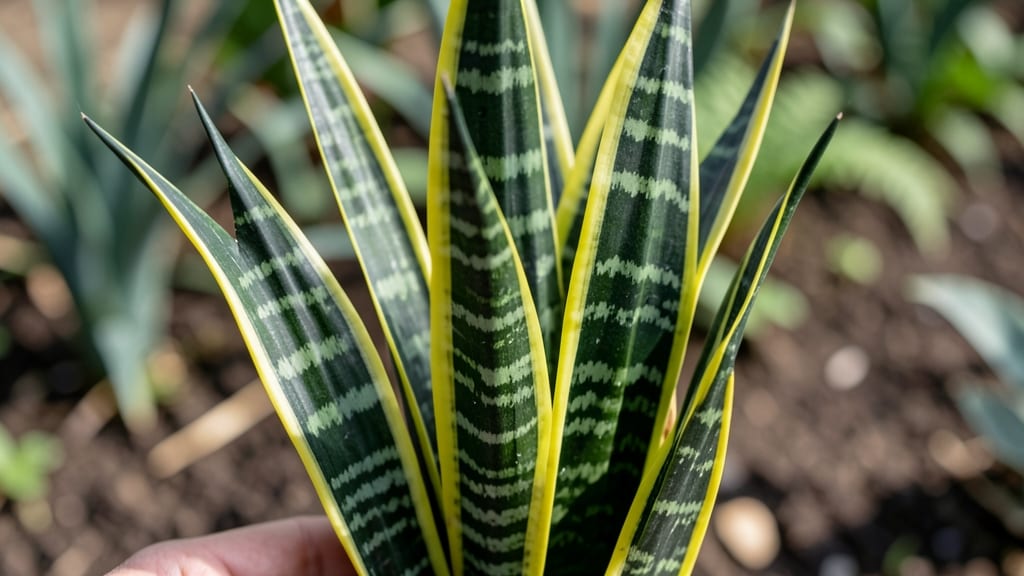
Ever wondered how tall a snake plant can grow before it starts looking like a jungle vine? The answer might surprise you—this resilient succulent can stretch taller than you think, but its height depends on more than just time.
Whether you’re dealing with a compact Sansevieria or a towering variety, understanding the factors that influence its growth will help you manage its size (or let it reach its full potential).
On average, a mature snake plant indoors can stretch anywhere from 1 to 4 feet, but some varieties—like the Sansevieria trifasciata—can even surpass that with the right care. The key lies in light exposure, pot size, and how often you repot it. Too much space? It’ll grow taller.
Too little? You might end up with a stunted plant that never reaches its true height.
If you’re worried about your snake plant becoming a space invader, don’t fret—there are simple ways to control its growth. Pruning, choosing the right container, and even adjusting your watering habits can keep it at a manageable height.
But first, let’s break down exactly how tall your snake plant can grow and what you can do to shape its future.
Ready to learn how to nurture (or rein in) your plant’s height? I’ll walk you through everything—from the fastest-growing varieties to the best practices for keeping it at your desired size. Let’s get started!


Natural height range of snake plants indoors (with realistic growth charts)
Your snake plant (Sansevieria trifasciata) can grow taller than you expect indoors—some varieties reach 4–6 feet with proper care. However, most common types stay between 1–4 feet depending on their variety and growing conditions.
Understanding these ranges helps you plan for your space and avoid surprises when your plant outgrows its pot!
Indoor growth varies widely: dwarf varieties like Sansevieria 'Hahnii' max out at 1–2 feet, while standard types like Sansevieria trifasciata 'Laurentii' can stretch to 3–4 feet over 3–5 years. Even the tallest snake plants grow slowly—expect only 2–4 inches per year under ideal conditions.
Outdoor snake plants grow significantly taller, often reaching 6–10 feet in warm climates, but indoors, their height is limited by light exposure, pot size, and root constraints. Let’s break down what to expect year by year for your indoor snake plant.
🌱
| Variety | Year 1 Height | Year 2 Height | Year 3+ Height | Mature Height |
|---|---|---|---|---|
| Sansevieria trifasciata (Standard) | 1–2 ft | 2–3 ft | 3–4 ft | 3–4 ft |
| Sansevieria 'Laurentii' (Variegated) | 1–2 ft | 2–3 ft | 3–4 ft | 3–4 ft |
| Sansevieria 'Hahnii' (Bird's Nest) | 6–12 in | 1–1.5 ft | 1–2 ft | 1–2 ft |
| Sansevieria cylindrica (Cylinder) | 1–1.5 ft | 2–3 ft | 3–5 ft | 4–6 ft |
| Sansevieria 'Futura Superba' (Dwarf) | 6–12 in | 1–1.5 ft | 1.5–2 ft | 1.5–2 ft |
If you’re comparing your snake plant’s growth to these benchmarks, remember that light levels play a huge role. Plants in bright indirect light (like an east-facing window) grow 20–30% taller than those in dim corners.
For example, a Sansevieria trifasciata in low light might stay under 2 feet even after 5 years.
Another key factor is pot size. Snake plants in smaller pots (under 6 inches wide) grow slower and stay shorter, while those in large containers (10+ inches) can reach their full height faster.
If you’re using a decorative pot without drainage, your plant’s roots may become root-bound, which can stunt its growth or even cause leaf yellowing.
🌿
For fastest growth, choose a well-draining cactus/succulent mix and place your plant near a window where it gets 4–6 hours of indirect sunlight daily. Avoid overwatering—snake plants store water in their leaves, so deep watering every 2–3 weeks is ideal.
Overwatering can lead to root rot, which slows growth or kills the plant entirely.
Pro tip: If your snake plant is growing too tall for your space, you can prune the leaves at the base to encourage bushier growth. Simply cut a leaf at the soil line, and it’ll regrow from the roots, creating a fuller plant.
Just avoid cutting more than 1/3 of the leaves at once to prevent stress.
✂️
5 Factors that control snake plant height (and how to optimize them)
Your snake plant's height isn't just luck—it's a mix of light exposure, pot size, and even temperature. Let's break down the top 5 factors that determine whether your plant will stay compact or stretch toward the ceiling. Understanding these will help you optimize growth for your space.
First, light levels play a huge role. Snake plants thrive in bright indirect light, which encourages upright, sturdy growth. If yours is in a low-light corner, it may grow leggy and tall as it stretches for light. Place it near an east or west-facing window for ideal conditions.
Next, pot size directly impacts height. A root-bound plant in a small pot will focus energy on growing taller rather than wider. If your snake plant has outgrown its container, it’s time to repot into a larger one—this can slow vertical growth and encourage bushier foliage.
- Light Exposure: Place in bright indirect light to prevent leggy growth. Avoid deep shade, which causes stretching.
- Pot Size: Use a slightly larger pot (1-2 inches wider) to encourage wider growth instead of height.
- Pruning: Trim overly tall leaves at the base to redirect energy to new growth.
- Temperature: Keep in 65-85°F ranges—cooler temps slow growth, while heat can accelerate it.
- Watering: Overwatering can weaken stems, making plants lean or flop. Water only when soil is completely dry.
Don't overlook pruning techniques—this is a game-changer for height control. If your snake plant is getting too tall, simply cut the longest leaves at the base.
The plant will redirect energy to produce shorter, bushier leaves. Just avoid cutting more than 1/3 of the plant at once to prevent stress.
Temperature also matters. Snake plants grow slower in cooler conditions (below 65°F) and faster in warmth (up to 85°F). If you're in a warm climate, expect faster vertical growth. Conversely, cooler indoor spaces (like basements) will naturally slow height increase.
Lastly, watering habits can influence height indirectly. Overwatering leads to weak stems, which may cause the plant to lean or grow unevenly. Stick to deep watering every 2-3 weeks and ensure the pot has drainage holes to prevent soggy soil.