
How To
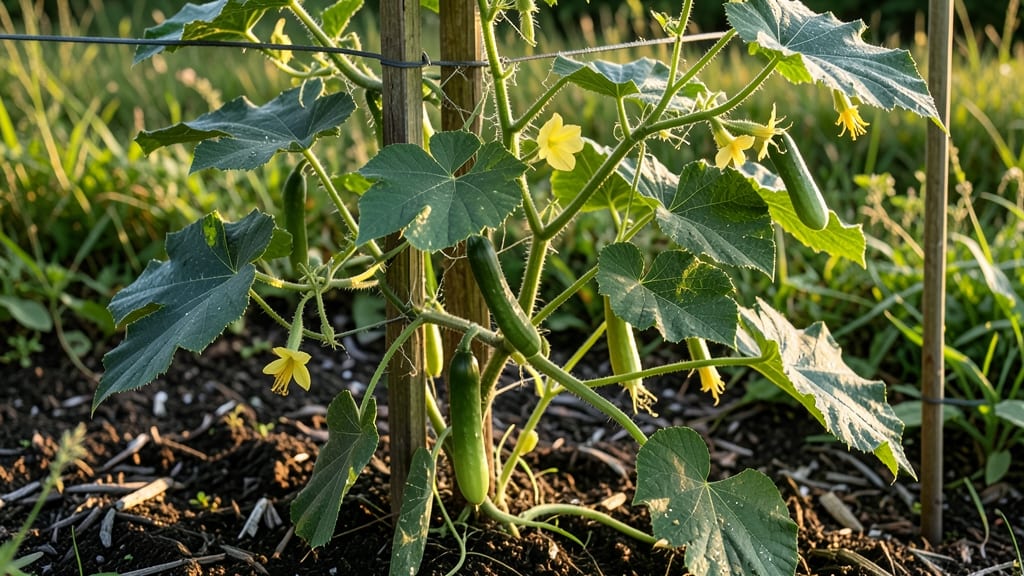
Cucumber plant height by type: vining vs bush varieties explained
When planning your cucumber garden, the first question I ask myself is: how tall will my plants grow? Cucumbers come in two main varieties—vining and bush—each with dramatically different height expectations.
Vining types can stretch 10 to 20 feet if left unchecked, while bush varieties stay compact at 1 to 3 feet. Your choice depends on space, support structures, and even your harvest goals.
For example, if you’re working with a small balcony or container garden, bush varieties like 'Bush Champion' are ideal—they rarely exceed 2 feet in height.
On the other hand, traditional vining types like 'Straight Eight' or 'Marketmore' need 6 to 10 feet of vertical space or they’ll sprawl uncontrollably across your garden bed.
Here’s the key difference: vining cucumbers rely on trellises or fences to climb, while bush cucumbers grow in a compact, bushy form without needing support. This distinction isn’t just about height—it affects yield, maintenance, and even disease risk.
Let’s break down the specifics so you can choose the right type for your space.
Cucumber Variety Height Comparison
| Variety Type | Average Height | Space Needs | Support Required | Example Varieties |
|---|---|---|---|---|
| Vining | 10–20 feet | 6–10 feet wide (without trellis) | Yes (trellis, fence, or cage) | 'Straight Eight', 'Marketmore', 'Lemon Cucumber' |
| Bush | 1–3 feet | 2–3 feet wide (compact) | No (self-supporting) | 'Bush Champion', 'Spacemaster', 'Diva' |
| Semi-Dwarf | 4–6 feet | 3–4 feet wide | Optional (light trellis helps) | 'Saladin', 'Sweet Success' |
💡 Pro Tip: Vining types produce more cucumbers but need strong trellises to avoid disease from wet foliage touching the ground.
If you’re growing vining cucumbers, expect them to reach their full height in 60 to 90 days after planting, depending on the variety and growing conditions. For instance, 'Straight Eight' can hit 15 feet in a single season if given enough sunlight and water.
Meanwhile, bush varieties like 'Bush Champion' mature in 50 to 60 days and stay under 2 feet, making them perfect for containers or small plots.
Another factor to consider is spreading habit. Even bush varieties can spread 3 to 4 feet wide, so plan your garden layout accordingly. If you’re short on space, interplanting bush cucumbers with radishes or lettuce can maximize your yield without sacrificing sunlight.
For urban gardeners or those with limited space, vertical gardening is a game-changer. A 6-foot trellis can support a vining cucumber variety like 'Armenian', which produces long, snake-like cucumbers perfect for pickling. Just ensure your trellis is sturdy and wide enough—nothing’s worse than a collapsing cucumber vine mid-season!
One common misconception is that bush cucumbers yield less than vining types. While it’s true that vining varieties often produce more cucumbers, bush varieties are more efficient per square foot.
For example, 'Spacemaster' can produce 30–40 cucumbers per plant in a 2-foot radius, while a vining plant might yield 50+ cucumbers but requires 10 feet of vertical space.
When choosing between the two, ask yourself: Do I have space for a trellis? If not, bush varieties are your best bet. If you’re willing to invest in support structures and pruning, vining cucumbers offer higher yields and longer harvest seasons.
Either way, knowing your plant’s expected height helps you plan for success from day one.
🌱 Final Thought: Whether you go vining or bush, pruning and training can adjust growth habits—even tall vines can be kept shorter with regular maintenance.
Cucumber plant height by type: vining vs bush varieties explained
If you're planning your garden layout, knowing how tall cucumber plants grow is crucial for spacing and support. Vining varieties can reach 6 to 20 feet if left unchecked, while bush types stay compact at 1 to 3 feet.
This dramatic difference affects everything from trellis placement to container choices.
Vining cucumbers, like the classic 'Straight Eight', are the garden giants of the cucumber world. Without proper support, they sprawl aggressively, sending tendrils in all directions. Bush varieties, such as 'Bush Champion', are bred to stay low and bushy, making them ideal for small spaces or containers.
Here’s how these two types stack up in terms of height, space needs, and growth habits—because choosing the right variety can save you from a tangled mess or wasted space.
| Variety Type | Height Range | Space Needs | Growth Habit | Best For |
|---|---|---|---|---|
| Vining | 6–20 ft | Wide (trellis or fence) | Climbing, sprawling | Large gardens, vertical spaces |
| Bush | 1–3 ft | Compact (containers or small plots) | Bushy, self-contained | Balconies, small yards, pots |
| Semi-Dwarf | 3–6 ft | Moderate (short trellis or ground cover) | Climbing or sprawling | Small gardens, raised beds |
For vining cucumbers, think of them as vertical athletes that need a sturdy trellis or fence to reach their full potential.
Without support, they’ll sprawl across your garden, competing with other plants for sunlight and nutrients. 'Marketmore' and 'Lemon' varieties are classic examples that thrive when given something to climb.
On the other hand, bush cucumbers are the low-maintenance workhorses of the garden. They don’t require trellising and are perfect for container gardening or tight spaces. Varieties like 'Bush Champion' or 'Spacemaster' produce plenty of cucumbers without taking over your garden layout.
If you're working with limited space, semi-dwarf varieties strike a balance. They grow taller than bush types but don’t need as much vertical support as full vining varieties. This makes them a great middle-ground option for raised beds or small backyards.
🌱