
Plants
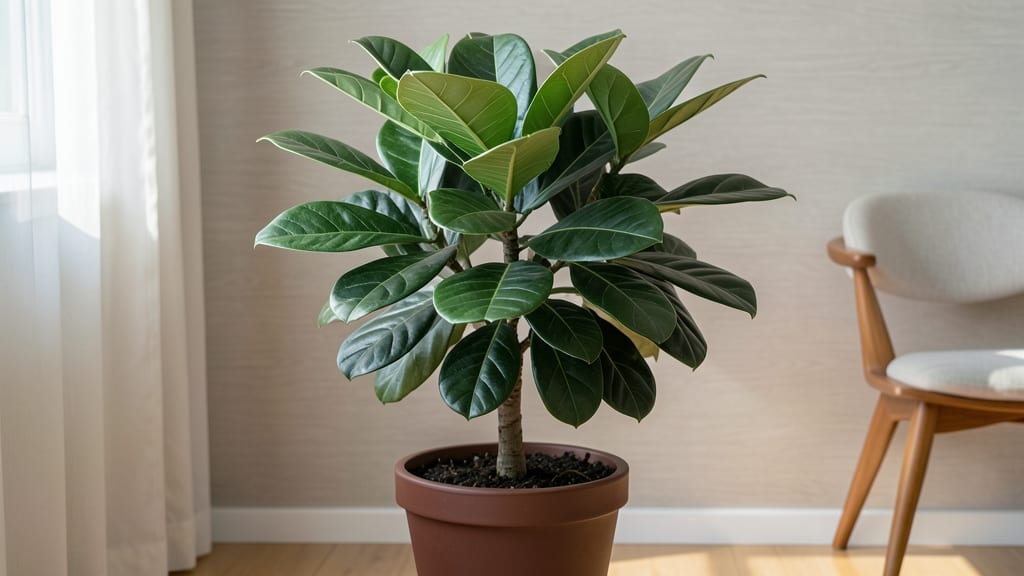
Wondering how tall an umbrella plant 🌿 can grow before it becomes a full-blown statement piece in your space? The answer might surprise you—some varieties stretch toward the sky like a tropical skyscraper, while others stay compact and manageable.
If you're planning to add this striking plant to your home or garden, knowing its mature height is the first step to creating the perfect spot for it. Whether you're working with 6a zone conditions or indoor setups, understanding growth patterns helps you avoid overcrowding or underutilized space.
From dwarf varieties that stay under 2 feet to towering giants reaching 6 feet, the height of an umbrella plant depends on care, variety, and environment. I’ll break down what to expect so you can choose the perfect fit for your space.
Ready to discover how to nurture your umbrella plant for its ideal height? Let’s dive into the details—because the right care makes all the difference in how tall (or short) it grows.


Umbrella plant height by variety: from compact to towering giants
When I first brought home my umbrella plant (Cyperus alternifolius), I was amazed by its delicate, grass-like foliage that resembles an open umbrella. But what truly surprised me was how quickly it grew—especially since I’d read it could reach tall heights under the right conditions.
If you’re wondering how tall these plants grow, the answer depends entirely on the variety and growing conditions. Some stay compact enough for small spaces, while others become stunning vertical statements in your garden.
The most common umbrella plant, Cyperus alternifolius, typically matures between 2 to 4 feet tall indoors, but with ideal outdoor conditions, it can soar up to 6 feet or more. This makes it a versatile choice for both indoor decor and outdoor landscaping.
Whether you’re aiming for a lush centerpiece or a towering statement plant, understanding the height ranges will help you plan your space effectively.
| Variety | Mature Height | Growth Rate | Best For |
|---|---|---|---|
| Cyperus alternifolius (Standard) | 4-6 ft (outdoor) 2-4 ft (indoor) |
Moderate (1-2 ft/year) | Outdoor ponds, large containers, tropical gardens |
| Cyperus alternifolius 'Nana' (Dwarf) | 1-2 ft | Slow (6-12 in/year) | Indoor pots, small spaces, terrariums |
| Cyperus papyrus (Pyramid Umbrella) | 6-10 ft (outdoor) | Fast (2-3 ft/year) | Water gardens, large landscapes, statement pieces |
| Cyperus haspan 'Lime Green' | 3-5 ft | Moderate (1 ft/year) | Indoor decor, bright spaces, mixed containers |
If you’re growing the standard Cyperus alternifolius, expect it to reach its full height in about 2 to 3 years under optimal conditions. The first year, you’ll likely see growth of 1 to 2 feet, with another 1 to 2 feet added in the second year.
By year three, it can continue climbing toward its mature height, especially if planted outdoors where it has more space to spread its roots and access to natural nutrients.
For those with limited space, the 'Nana' variety is a game-changer. This dwarf version stays between 1 to 2 feet tall, making it perfect for indoor pots or small balconies.
It grows at a slower pace, so you won’t see dramatic changes overnight, but it’s ideal if you want a low-maintenance, compact plant that still delivers that tropical vibe without overwhelming your space.
On the opposite end of the spectrum, Cyperus papyrus is the tallest variety, often referred to as the pyramid umbrella plant. This beauty can reach 6 to 10 feet tall, making it a stunning focal point for water gardens or large outdoor spaces.
If you’re considering this variety, plan for a spacious pot or direct planting in the ground, as its roots can spread widely to support its towering stature.
One of the most striking features of umbrella plants is their arching foliage, which creates a natural umbrella effect. This makes them not only tall but also visually dynamic.
When placed near a window or in a sunny outdoor spot, their leaves will sway gently in the breeze, adding movement to your garden.
If you’re using them indoors, position them where their height can be showcased, like near a large window or in a corner where their vertical presence can be fully appreciated.
Before committing to a specific variety, consider your growing environment. Indoor umbrella plants will naturally stay shorter due to limited light and space, while outdoor plants can grow significantly taller.
If you’re unsure about the final height, start with a smaller variety like 'Nana' to test the waters before investing in a larger plant that might outgrow its intended space.
Pro tip: If you love the look of umbrella plants but are concerned about their height, you can always prune them regularly to maintain a more compact shape. This not only controls their size but also encourages bushier growth, giving you the best of both worlds—height and fullness.
I’ll cover pruning techniques in more detail later, but for now, just know that a little trimming goes a long way in shaping your plant’s growth.
🌿
Factors that influence umbrella plant height: light, soil, and care
The height of your umbrella plant depends heavily on its growing conditions. Light exposure is the most critical factor—too little sunlight leads to leggy, weak growth, while too much can scorch delicate leaves. Cyperus alternifolius, the classic umbrella plant, thrives in bright indirect light, which encourages balanced growth and lush foliage.
Soil quality also plays a role—well-draining, slightly acidic soil (pH 6.0-7.0) supports root development, allowing the plant to reach its full potential height of 3-6 feet.
Compacted or waterlogged soil can stunt growth, while nutrient-rich mixes promote taller, healthier stems. Always use a peat-based or coconut coir mix for best results.
Watering habits directly impact height too. Overwatering causes root rot, which weakens the plant and limits its growth, while underwatering leads to stress and stunted development. Aim for consistently moist soil—never soggy—by watering when the top inch feels dry. This balance keeps your umbrella plant robust and reaching for the sky.
Fertilization is another key factor. A balanced liquid fertilizer (10-10-10 NPK) applied every 4-6 weeks in spring and summer provides the nutrients needed for vigorous growth. Avoid over-fertilizing, as this can lead to rapid but weak growth or even leaf burn.
Even with ideal conditions, pruning mistakes can affect height. Cutting back too aggressively can reduce future growth, while neglecting pruning leads to unruly, overgrown plants. Regularly trimming dead or yellowing leaves encourages new growth and maintains a neat, compact shape.
🌱 Temperature and humidity also matter—umbrella plants prefer warmth (65-80°F) and moderate humidity (40-60%). Drafts or sudden temperature drops can stress the plant, slowing its growth. Place it in a stable environment to ensure steady upward progress.
By monitoring these factors, you can control your umbrella plant’s height and encourage it to grow tall and thriving—whether you want a floor-filling statement plant or a compact tabletop version. Pay attention to how your plant responds to its environment, and adjust care as needed.
⚠️ Common Mistakes That Stunt Growth
- Overwatering: Causes root rot, halting growth
- Low light: Leads to leggy, weak stems
- Poor soil: Compacted or nutrient-poor soil limits root development
- Inconsistent care: Skipping fertilizing or pruning slows growth
Fix these issues to help your umbrella plant reach its full height potential!
For optimal height control, combine proper light, soil, and watering with regular pruning. This ensures your umbrella plant grows strong and tall—whether you’re aiming for a 6-foot indoor centerpiece or a 3-foot patio accent. Adjust care based on your plant’s response, and enjoy watching it thrive!