
How To
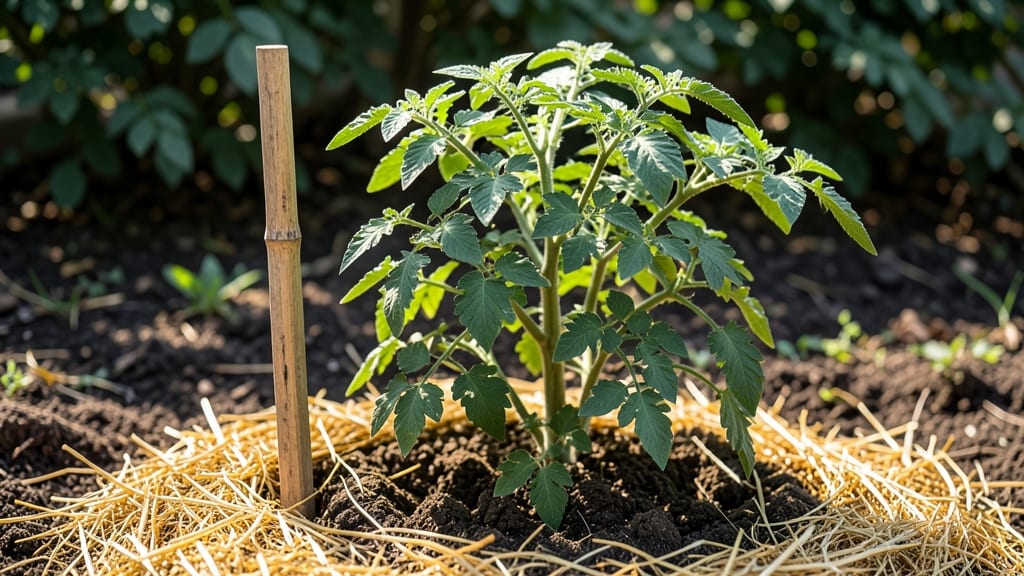
Wondering how tall does a Roma tomato plant grow in your garden or container? The answer might surprise you—these versatile 🍅 plants can reach anywhere from 3 to 6 feet, depending on whether you're growing a compact determinate variety or a sprawling indeterminate one.
If you're working with limited space, you'll love that Roma tomatoes adapt well to both small containers and larger garden plots.
The key difference lies in their growth habits: determinate types stay shorter (2-3 feet) and bushier, while indeterminate varieties climb higher (4-6 feet) with proper support. This means your harvest expectations change dramatically based on which type you choose.
But here's the best part: with the right techniques, you can manage their height to fit your space perfectly. Whether you're trellising, staking, or pruning, I'll show you exactly how to keep your Roma tomatoes thriving—no matter how much (or little) room you have to work with.
Let's dive into the specifics so you can plan your garden layout with confidence and maximize your tomato yield this season.


Roma tomato plant height: expected growth ranges and space requirements
Roma tomatoes are a gardener's dream for their plump, meaty fruit and versatile uses in sauces and salsas. But before you plant, knowing their height potential helps you plan space—whether you're working with a backyard plot or balcony containers.
Most Roma varieties are determinate, meaning they grow to a set height and produce fruit in clusters before stopping. This makes them predictable for space planning.
On average, a mature Roma tomato plant reaches 4 to 6 feet tall, with some dwarf varieties staying as short as 2 to 3 feet. Unlike their indeterminate cousins (like Beefsteak tomatoes), Roma plants won’t keep growing indefinitely—they focus energy on fruit production rather than vertical sprawl.
This makes them ideal for small gardens or container growing.
Here’s how their height compares to other common tomato types: Roma plants are shorter and bushier than indeterminate varieties but taller than cherry tomatoes. Their compact growth habit also means they don’t require heavy trellising, though a light support system can help manage fruit weight and improve airflow.
| Variety Type | Mature Height | Growth Habit | Best For |
|---|---|---|---|
| Determinate Roma | 4–6 ft | Bushy, compact | Containers, small gardens |
| Dwarf Roma | 2–3 ft | Ultra-compact | Balconies, windowsills |
| Indeterminate (e.g., Beefsteak) | 6–10+ ft | Vining, sprawling | Trellises, large gardens |
| Cherry Tomatoes | 1–3 ft | Bushy or trailing | Hanging baskets, towers |
When planning your garden, account for spreading habits too. Roma plants have a 3-foot-wide spread at maturity, so space them 18–24 inches apart in rows 2–3 feet apart for optimal airflow and sunlight.
In containers, choose pots at least 12–18 inches deep and 12 inches wide per plant to accommodate roots and fruit.
For vertical gardening, Roma tomatoes thrive on cages or stakes up to 5 feet tall. This not only saves space but also reduces disease risk by keeping foliage off the ground.
If you’re growing in containers, use a 5-gallon pot or larger to prevent root-bound stress, which can stunt growth and reduce yield.
One common misconception is that Roma tomatoes need full sun and rich soil to reach their full height. While this is true, over-fertilizing with nitrogen can lead to leafy growth at the expense of fruit.
Instead, focus on a balanced fertilizer (like 5-10-10) and prune suckers (side shoots) to direct energy toward fruit production rather than excessive height.
If you’re growing Roma tomatoes in cooler climates (USDA Zones 3–6), expect slightly shorter plants due to slower growth. In warmer zones (7–10), they may grow taller but benefit from afternoon shade to prevent sun scald.
Always monitor your plants and adjust support as they grow—especially during peak fruiting when branches can sag under weight.
Pro tip: If space is extremely limited, opt for dwarf Roma varieties like ‘Tiny Tim’ or ‘Patio Roma,’ which stay under 3 feet tall while still producing abundant fruit. These are perfect for balconies, patios, or even large windowsills with proper sunlight.
Remember, the height of your Roma tomato plant directly impacts its yield and health. By choosing the right variety, providing adequate support, and giving them the space they need, you’ll enjoy a bountiful harvest without sacrificing your garden’s layout. 🌱
Roma tomato plant height: expected growth ranges and space requirements
Roma tomatoes are a determinate variety, meaning they grow to a predictable height and produce fruit all at once. Unlike their indeterminate cousins, you won’t see endless vines climbing your trellis.
Most Roma plants reach 3 to 5 feet tall at maturity, with some compact varieties staying as short as 2 to 3 feet. This makes them ideal for small gardens or container growing, as long as you plan your space wisely.
Understanding your Roma’s growth potential helps you decide between in-ground planting or container gardening. In-ground plants spread wider, requiring 18 to 24 inches of space between plants. Meanwhile, container-grown Romas need at least 5-gallon pots to accommodate their roots and support structures.
Without proper space, your plants may grow taller but weaker, leading to fewer tomatoes and more disease risks.
| Category | Details |
|---|---|
| Plant Type | Determinate (bush-type) |
| Mature Height | 3–5 feet (standard) |
| Dwarf Varieties | 2–3 feet (compact) |
| Spread (Width) | 18–24 inches |
| Container Size | 5+ gallons per plant |
| Sunlight Needs | 6–8+ hours daily |
| Harvest Window | 60–90 days after transplant |
If you’re growing Romas in containers, choose deep pots with drainage holes to prevent root rot. A 5-gallon bucket or fabric grow bag works well, but avoid shallow planters—they restrict root growth and stunt height.
For in-ground planting, amend your soil with compost or aged manure to encourage strong, upright growth. Without proper nutrients, your plants may stretch toward the sun, becoming leggy and prone to snapping under the weight of fruit.
Another key factor is pruning. While determinate Romas don’t need heavy pruning like indeterminate varieties, you can remove suckers (shoots in the leaf axils) to improve airflow and direct energy to fruit production.
This keeps the plant compact and sturdy, reducing the risk of it toppling over. Just avoid over-pruning—you’ll sacrifice some yield for a neater appearance.
For vertical gardening, use cages or stakes to support your Roma plants. A 4-foot tomato cage fits most varieties perfectly, while bamboo stakes or trellises work for taller plants. This not only saves space but also reduces disease risk by keeping foliage off the ground.
If you’re short on space, consider dwarf Roma varieties like ‘Tiny Tim’ or ‘Patio,’ which max out at 2 to 3 feet and thrive in small containers.
Finally, remember that climate and care influence height. In hotter regions, Romas may grow taller but produce fewer tomatoes due to stress. Meanwhile, cool-season planting can slow growth, so adjust your planting timeline to align with your local frost dates.
With the right conditions, your Roma plants will hit their ideal height and reward you with a bountiful harvest of plump, meaty tomatoes.☀️