
How To
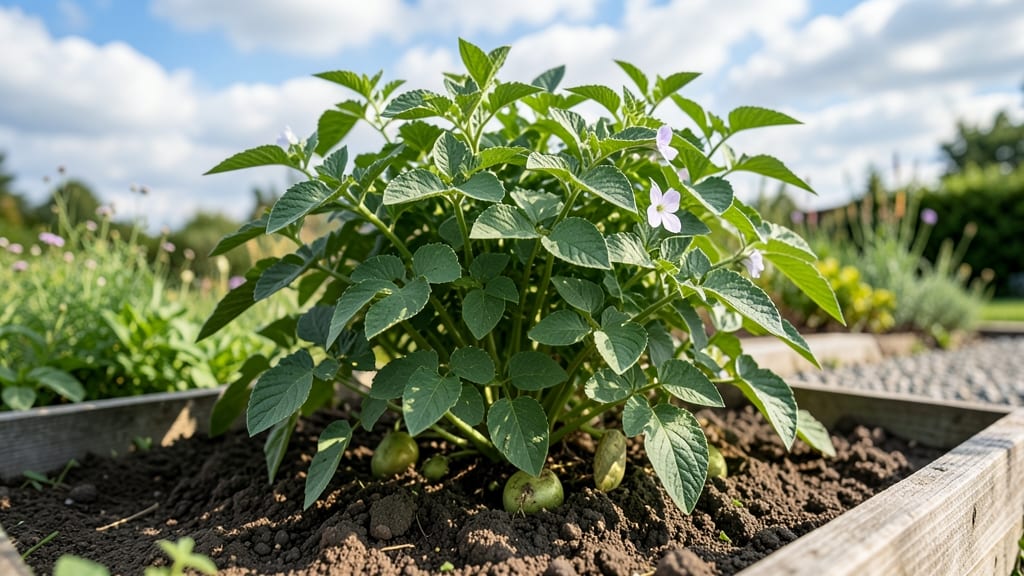
If you’ve ever wondered "how tall does a potato plant grow", you’re not alone—this question determines everything from your garden layout to your harvest success. 🥔 Most gardeners assume potato plants stay short, but the truth is far more interesting: some varieties barely reach waist height, while others stretch nearly as tall as you are!
Understanding these differences is the key to maximizing your space and yield. Whether you’re working with a small balcony container or a sprawling backyard plot, knowing which varieties fit your setup makes all the difference.
From the compact Yukon Gold to the towering Russet Burbank, each type has its own growth quirks—and we’ll break them all down for you.
But it’s not just about height—soil, sunlight, and even pruning techniques play a huge role in how your plants perform. I’ll share the most common mistakes gardeners make (like overcrowding or ignoring hilling) and how to fix them before they derail your harvest.
Ready to turn your potato patch into a space-efficient powerhouse?
Let’s dive into the exact heights you can expect, plus the simple strategies that’ll help you grow bigger, healthier tubers—no matter how much (or little) room you’ve got to work with.


Potato plant height by variety: from compact to towering growth habits
Potato plants may look humble, but their height varies dramatically depending on the variety you grow. While most gardeners picture 2-foot vines, some dwarf varieties stay under 12 inches, while others can reach 3 feet or more.
Understanding these differences is key to planning your garden layout and maximizing your harvest.
Why does height matter? Taller varieties need more vertical space and may require staking or trellising, while dwarf types thrive in containers or tight spaces. The height also correlates with yield potential—some compact plants produce smaller tubers, while taller vines often develop larger harvests.
Let’s break down the exact height ranges for popular varieties.
| Variety | Height Range | Growth Habit | Best For |
|---|---|---|---|
| 'Yukon Gold' | 12–18 inches | Compact, bushy | Containers, small gardens |
| 'Red Pontiac' | 18–24 inches | Medium, upright | In-ground beds, trellises |
| 'Russet Burbank' | 24–36 inches | Tall, sprawling | Large gardens, staking |
| 'Purple Viking' | 16–22 inches | Medium, bushy | Heirloom gardens, trellises |
| 'Fingerling' | 12–20 inches | Variable, slender | Containers, vertical gardens |
🌱 Pro Tip: Always check seed packets for exact height ranges—some varieties can exceed listed measurements in ideal conditions.
If you’re growing potatoes in containers, stick to dwarf varieties like 'Yukon Gold' or 'Fingerling', which thrive in 5-gallon buckets or deeper pots. For in-ground gardens, medium-height types like 'Red Pontiac' offer a balance of space efficiency and yield.
Meanwhile, tall varieties such as 'Russet Burbank' need 18–24 inches of vertical clearance and may benefit from cage supports.
Another factor influencing height is soil fertility. Over-fertilizing with nitrogen can lead to excessive foliage growth, causing vines to sprawl beyond their natural height. Aim for a balanced fertilizer (like 10-10-10) and avoid heavy applications of manure, which can stunt tuber development while promoting tall, leggy plants.
For gardeners with limited space, consider vertical gardening. Tall varieties like 'Purple Viking' can be trained up trellises or cages, saving ground space while still producing abundant tubers. Just ensure your support structure is sturdy—potato vines can get top-heavy as they mature, especially in windy conditions.
One common misconception is that taller potato plants always yield more tubers. In reality, compact varieties often produce higher-quality potatoes in smaller spaces, making them ideal for urban gardens or balcony containers. The key is matching the variety to your garden layout and harvest goals.
Next time you’re planning your potato patch, measure your space and choose varieties that fit—whether you’re aiming for low-maintenance dwarf types or high-yielding tall vines. With the right height in mind, you’ll avoid overcrowding and set your harvest up for success.
How potato plant height affects your garden layout and support needs
Potato plant height isn’t just about aesthetics—it directly impacts your garden layout, spacing requirements, and even whether you need support structures.
Most varieties grow between 12–36 inches tall, but taller types like 'Russet Burbank' can reach nearly 3 feet, while dwarf varieties like 'Yukon Gold' stay under 18 inches. This variation means your planting distance and trellising needs will differ dramatically.
For standard-height varieties, aim for 12–18 inches between plants and 30–36 inches between rows. This spacing gives foliage room to spread while preventing competition for nutrients.
If you’re growing tall varieties, like 'Purple Viking', increase row spacing to 36–48 inches to avoid shading smaller plants. Dwarf varieties can handle tighter spacing (10–12 inches apart), making them ideal for container gardening or small plots.
Tall potato plants often need support structures to prevent vine breakage or disease spread from foliage touching the soil. Cages (made from wire or plastic) work well for medium-height varieties, while trellises or A-frame supports are better for tall types.
I’ve found that vertical gardening not only saves space but also improves air circulation, reducing the risk of blight. For container gardening, use 5-gallon buckets with holes and place them near a south-facing wall to maximize sunlight.
Another key factor is hilling, a technique where you mound soil around the stems as they grow. This encourages more tuber formation and supports taller plants by preventing them from toppling.
For dwarf varieties, hilling every 4–6 weeks is optional, but for tall varieties, do it every 2–3 weeks to keep stems upright. Pro tip: Use a garden fork to loosen soil before hilling—this prevents compaction and helps roots breathe.
If you’re short on space, consider interplanting potatoes with shallow-rooted crops like lettuce or radishes. These plants mature quickly and won’t compete with your potatoes for nutrients. Just avoid planting anything taller than 12 inches near your potato patch, as it can shade the foliage and reduce yield.
For urban gardeners, vertical planters or hanging bags are game-changers—they let you grow medium-height varieties even on balconies.
Remember, overcrowding leads to smaller tubers and increased disease risk, while too much space wastes garden real estate. Strike a balance by matching your variety’s height to your garden layout, and don’t forget to rotate crops yearly to prevent soil-borne diseases from building up.
With the right spacing and support, your potato patch will thrive—no matter how tall your plants grow! 🌱