
Plants
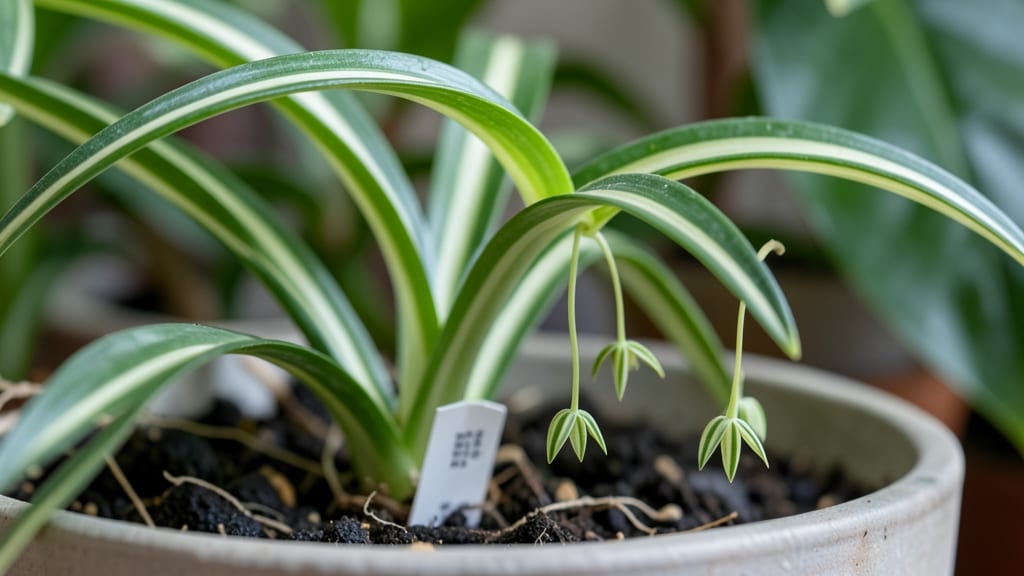
If your 🕷️ Spider Plant looks sad—stretching, yellowing, or sporting crispy brown tips—you might be getting the light wrong. The good news? These hardy plants thrive in conditions most homes already provide, but only if you know the exact balance they need.
Too much direct sun and your Spider Plant will scorch; too little, and it’ll grow leggy and weak. The sweet spot? Bright, indirect light—think east-facing windows or a spot just a few feet from a north window.
I’ll show you how to spot the signs of light stress and adjust your plant’s home for lush, happy growth year-round.
Whether you’re dealing with fluorescent office lighting or a sunny kitchen, this guide breaks down the ideal light conditions and simple fixes to keep your Spider Plant flourishing. No guesswork—just science-backed tips for a plant that’s almost impossible to kill.
Ready to transform your plant’s health? Let’s dive into the light secrets that’ll have your Spider Plant looking its best in no time.

Ideal light requirements for a healthy spider plant: low to medium brightness explained
Your spider plant (Chlorophytum comosum) thrives in bright indirect light, making it perfect for most indoor spaces. Unlike sun-loving plants, it despises harsh direct sunlight, which can scorch its delicate leaves.
Instead, think of it as a plant that enjoys a gentle morning glow—like the light filtering through sheer curtains.
The key is finding that sweet spot between too little light (which causes leggy growth) and too much (which leads to brown leaf tips). A north- or east-facing window is ideal, but even a well-lit bathroom or office with fluorescent lighting can work.
The goal? Keep your spider plant happy without turning it into a crispy mess.
🌱 Did You Know?
| Light Type | Ideal Conditions | Signs of Stress |
|---|---|---|
| Bright Indirect | East/west window, 2-3 ft away | Healthy green leaves, compact growth |
| Low Light | North window, fluorescent bulbs | Leggy stems, pale leaves |
| Direct Sun | South window, no shade | Brown tips, yellow patches |
If your spider plant is sitting in a north-facing window, it’s likely getting just enough light—perfect for steady growth. However, if you notice stretched-out leaves reaching toward the light, it’s begging for more brightness.
Move it closer to the window or supplement with a grow light for 6-8 hours a day.
For those with south-facing windows, be cautious. Even a few hours of direct afternoon sun can cause damage. Use a sheer curtain to diffuse the light or place your plant 3-4 feet away from the window. Think of it like wearing sunscreen—your spider plant needs protection too!
Watch for these tell-tale signs of light issues: yellow leaves mean too much water in low light, while brown tips scream "move me away from the sun!" A healthy spider plant has arching green leaves with white stripes—like tiny variegated flags waving in the breeze.
Pro tip: Rotate your plant quarter-turns every 2 weeks to ensure even light exposure. This prevents one side from stretching toward the window while the other stays weak. It’s like giving your plant a mini vacation to soak up light from all angles.
Fluorescent lighting can work too, but avoid LED bulbs with high blue light, which can stress the plant. If you’re using artificial light, opt for cool white or full-spectrum bulbs and keep them 6-12 inches away for 12-14 hours a day.
Your spider plant will thank you with vibrant new growth.
Remember, spider plants are adaptable, but they’re not invincible. Start with bright indirect light and adjust based on how your plant responds. If it’s struggling, don’t panic—just tweak its spot and watch it bounce back faster than you’d expect.
Now that you’ve got the light down, your spider plant is on its way to becoming a lush, thriving centerpiece. Next, we’ll tackle how to keep it happy year-round, no matter what season it is. ☀️
Ideal light requirements for a healthy spider plant: low to medium brightness explained
Your spider plant thrives in bright indirect light, making it perfect for most indoor spaces. Unlike sun-loving plants, it avoids harsh rays that cause brown leaf tips. Think of it as the office plant that survives under fluorescent lights while still looking fresh.
The key is finding that sweet spot—4-6 hours of filtered light daily keeps it happy without stress.
North-facing windows provide the gentlest light, while east-facing ones offer morning sun without midday intensity. West or south windows can work too, but only if your plant sits 3-5 feet away to prevent leaf scorch.
Remember, direct afternoon sun is the enemy—it’s like leaving your skin exposed to a tanning bed all day.
| Light Condition | Description | Spider Plant Response |
|---|---|---|
| Bright Indirect Light | East/west window, 2-3 ft away | Healthy green leaves, vigorous growth |
| Low Light | North-facing window or dim corners | Slow growth, pale leaves, leggy stems |
| Direct Sunlight | South window, no filter | Brown crispy tips, yellow patches |
| Fluorescent Light | Office or bathroom lighting | Survives but grows slowly; supplement with grow light |
Watch for yellowing leaves or stretched-out growth—these are red flags your plant needs more light. Move it closer to a window or add a grow light 6-12 inches above for 12-14 hours daily. If you notice brown crispy edges, it’s getting too much direct sun.
Rotate your plant every few weeks so all sides get even exposure—this prevents lopsided growth and ensures those arching striped leaves stay symmetrical.
Pro tip: Test your spot with a light meter app (like "Light Meter" for smartphones) to measure 1,000-2,500 lux. This range mimics natural indirect light.
If your reading is below 500 lux, your spider plant will struggle—consider relocating it or investing in a LED grow bulb for $20 or less. Even a simple white LED bulb (6000K color temp) can work in a pinch.
For outdoor placement, your spider plant can handle partial shade in summer but avoid full sun—think dappled light under a tree canopy. In winter, bring it indoors before temperatures drop below 50°F, as cold drafts stress the plant.
The goal is consistency: stable, gentle light without extreme fluctuations.
Remember, spider plants are adaptable survivors. If you’ve killed one before, don’t blame yourself—just adjust the light and give it another try.
With the right bright indirect spot, your plant will reward you with lush foliage and those adorable baby spiderettes dangling from the ends of its stems. 🌱