
Plants
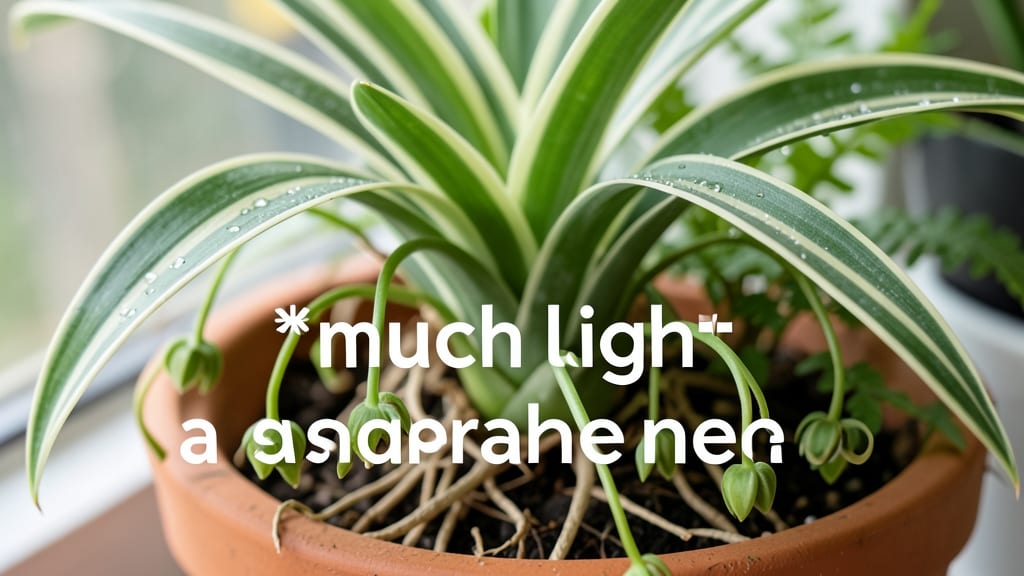
Wondering how much light does a spider plant need to stay vibrant and healthy? This resilient 🌿 houseplant might just be the perfect solution for your dimly lit spaces, but getting the lighting right is the key to unlocking its full potential.
Spider plants are famously adaptable, thriving in conditions where fussy houseplants would struggle. Whether you're dealing with a north-facing window or a cozy corner far from natural light, understanding their needs can mean the difference between lush green foliage and sad, leggy stems.
The secret lies in finding that sweet spot between too little and too much light.
Most people assume these plants need bright sunlight, but that couldn't be further from the truth. In fact, direct sun can scorch their delicate leaves, while dim corners might leave them stretching desperately for light.
I'll show you exactly how to create the ideal environment so your spider plant stays happy year-round.
From recognizing the subtle signs of light stress to adjusting your plant's position with minimal effort, you'll discover simple tricks that make all the difference. Let's dive into the lighting secrets that will transform your spider plant from struggling survivor to thriving showstopper.

Ideal light requirements for spider plants: low to bright indirect light explained
If you're wondering how much light does a spider plant need, the good news is these plants are incredibly adaptable. Unlike finicky houseplants, spider plants thrive in low to bright indirect light, making them perfect for nearly any indoor space.
Their natural habitat in South Africa’s shady forest floors means they’ve evolved to handle filtered sunlight without burning.
For optimal growth, aim for 4-6 hours of bright, indirect light daily. This could be an east-facing window where morning sun gently illuminates the leaves, or a north-facing window where light is softer year-round.
South-facing windows can work too, but you’ll need to place the plant 3-5 feet away to avoid harsh afternoon rays.
The key is avoiding direct sunlight, which can scorch leaves, and deep shade, which slows growth and dulls variegation. Your spider plant will tell you if it’s happy—look for rich green leaves with white stripes that stand upright.
When light is perfect, you’ll even see those iconic spiderettes (baby plants) forming at the ends of long stems.
| Light Level | Ideal Conditions | Growth Impact | Signs of Stress |
|---|---|---|---|
| Low Light | North-facing window or 10+ feet from bright light | Slow growth, leggy stems, dull leaves | Fewer spiderettes, yellowing |
| Medium Light | East/west window, 3-5 feet from south window | Healthy growth, vibrant variegation, frequent spiderettes | None (ideal conditions!) |
| Bright Indirect | Filtered sunlight, sheer curtain, 1-2 feet from east/west window | Rapid growth, bold stripes, bushy appearance | Brown leaf tips (from low humidity) |
| Direct Sunlight | South window without filter, afternoon sun | Stunted growth, leaf burn | Crispy brown edges, white/yellow patches |
Variegated spider plants (with white stripes) need slightly more light than solid green varieties to maintain their striking patterns. In medium light, you’ll see the most dramatic contrast between green and white.
If your stripes are fading to all green, it’s a sign the plant needs more brightness—but not direct sun.
Outdoor spider plants can handle partial shade in gardens, especially in hot climates where afternoon sun is intense. Just avoid placing them under trees with dense canopies, which can create too much shade and reduce variegation.
A spot with dappled sunlight (like under a patio umbrella) is ideal for outdoor cultivation.
Pro tip: Rotate your spider plant quarter-turns every 2-3 weeks to ensure even light exposure. This prevents one side from leaning toward the window, keeping the foliage lush and symmetrical.
Even in low light, your plant will survive—but it’ll reward you with healthier growth and more spiderettes when given the right conditions.
Remember, spider plants are forgiving. If you’ve overdone it with shade or sun, don’t panic—simply adjust the light gradually over a week or two. Their resilience is one reason they’re a top beginner houseplant! 🌿
Ideal light requirements for spider plants: low to bright indirect light explained
Spider plants are famous for their adaptability, but their light needs are often misunderstood. Unlike sun-loving succulents, these plants thrive in low to bright indirect light, making them perfect for indoor spaces with limited natural light.
Understanding the light spectrum—from dim corners to well-lit rooms—will help you create the ideal environment for lush, healthy growth.
The key to happy spider plants lies in indirect sunlight. Direct sun can scorch their leaves, while too little light causes leggy growth and faded variegation.
Let’s break down the three light zones that will keep your plant flourishing: low light, medium light, and bright indirect light. Each zone affects growth, leaf color, and overall vitality differently.
| Light Zone | Description | Impact on Spider Plant | Best Placement |
|---|---|---|---|
| Low Light | North-facing windows or rooms without direct sunlight | Slower growth, less vibrant variegation, leggy stems | Bathrooms, offices, or hallways |
| Medium Light | East or west-facing windows, filtered sunlight | Balanced growth, vibrant leaves, healthy variegation | Living rooms, kitchens, or near sheer curtains |
| Bright Indirect Light | South-facing windows with diffused light or 3-5 feet away | Fastest growth, richest colors, compact foliage | Sunrooms, conservatories, or under sheer curtains |
If you notice your spider plant’s leaves losing their stripes or stretching toward the light, it’s likely craving more brightness. On the flip side, brown tips or crispy edges signal too much direct sun.
The goal is to mimic the dappled light of a forest understory, where spider plants naturally grow. Rotate your plant every few weeks to ensure even growth and prevent lopsided development.
For outdoor cultivation, spider plants can handle partial shade but avoid harsh afternoon sun, especially in hot climates. In winter months, when natural light dims, supplement with a simple grow light for 6-8 hours daily. This mimics the longer daylight hours and keeps your plant thriving year-round.
Proper lighting isn’t just about survival—it’s about enhancing your spider plant’s beauty. When given the right conditions, their variegated leaves will pop with striking patterns, and their arching foliage will create an elegant, cascading display.
Pay attention to these cues, and your spider plant will reward you with lush, vibrant growth for years to come. 🌿