
Plants
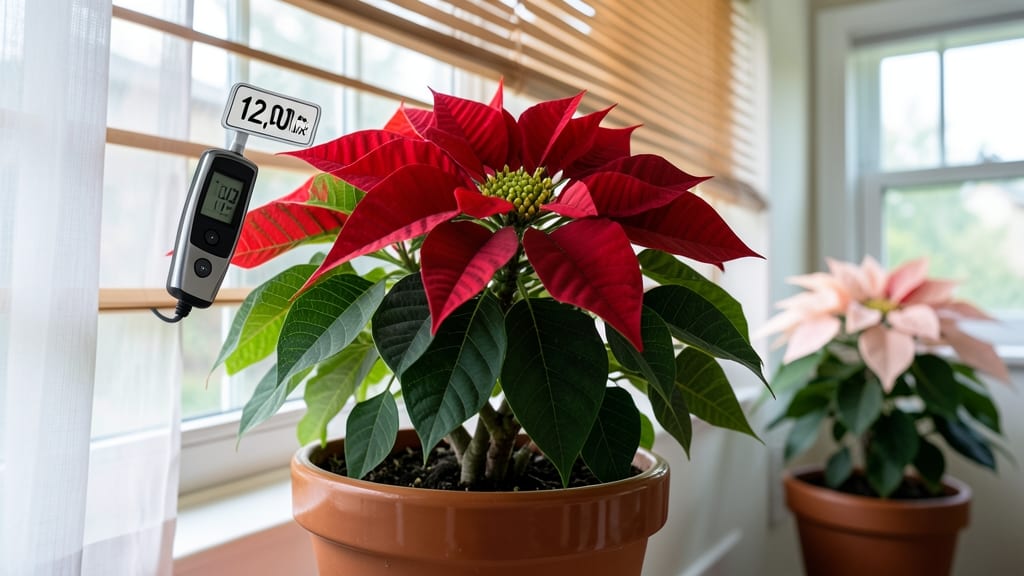
Ideal light requirements for poinsettias: bright indirect sunlight explained
Poinsettias thrive with 6-8 hours of bright, indirect sunlight daily—this is their sweet spot for vibrant red bracts and healthy foliage. Unlike sun-loving plants, poinsettias reject direct sunlight, which can scorch their delicate leaves and fade their signature colors.
Think of it as a gentle morning sunbath with afternoon shade.
In nature, these tropical plants grow under dappled forest light, so replicating this indoors is key. Your goal is to mimic filtered sunlight—like what you’d find on a shady patio or under light trees.
This means positioning your poinsettia near windows but not directly in the path of harsh rays.
East- or west-facing windows are ideal because they provide soft morning or late afternoon light. South-facing windows can work, but you’ll need to filter the light with sheer curtains or a sheer panel to prevent leaf burn. North-facing windows often lack sufficient intensity, leading to pale, leggy growth.
| Light Requirement | Specification | Best Window |
|---|---|---|
| Daily Light Hours | 6-8 hours | East or West |
| Light Type | Bright Indirect | Filtered Sun |
| Distance from Window | 1-3 feet | Avoid direct rays |
| Seasonal Adjustment | Increase light in winter | Use grow lights |
During the shorter winter days, poinsettias often struggle to get enough light, especially in northern climates. This is when supplemental grow lights become a game-changer.
A simple LED grow light placed 6-12 inches above the plant for 12-14 hours daily can mimic natural daylight and keep your poinsettia blooming beautifully through the holidays.
If you’re growing your poinsettia in a low-light room, like a basement or office, consider rotating the pot quarter-turns weekly. This ensures even growth and prevents the plant from leaning toward the nearest light source, which can lead to uneven bract development.
For outdoor poinsettias (in warm climates), provide afternoon shade between 11 AM and 3 PM when the sun is at its peak. A lightweight shade cloth with 30-50% coverage works perfectly. Avoid placing them in full sun, as this will cause the leaves to yellow and crisp.
Pro tip: If your poinsettia’s bracts start losing color by late December, it’s often a sign of insufficient light. Move it to a brighter spot immediately—just make sure it’s still indirect.
The key is to find that golden balance where your plant gets enough light to thrive without getting sunburned.
Remember, poinsettias are short-day plants, meaning they bloom in response to 12 hours of darkness each day. But light quality matters just as much as duration. Bright, indirect light during the day sets the stage for those showstopping red bracts you love.
Ideal light requirements for poinsettias: bright indirect sunlight explained
Poinsettias thrive with 6-8 hours of bright indirect sunlight daily—this mimics their natural understory habitat. Unlike sun-loving plants, they cannot tolerate harsh direct rays, which cause leaf scorch and faded bracts. Think of it like a dappled forest floor—gentle but abundant light keeps them vibrant.
The key is finding that sweet spot between too little and too much. North-facing windows provide soft light, while east or west exposures offer morning or afternoon sun without midday intensity. South-facing windows? Only place your poinsettia 3-5 feet away to diffuse the rays.
| Light Condition | Ideal Duration | Window Placement | Seasonal Notes |
|---|---|---|---|
| Bright Indirect | 6-8 hours | East/West 1-3 ft | Best for year-round |
| Low Light | 4-6 hours | North window | Use grow lights |
| Direct Sun | 0 hours | South window | Move immediately |
During winter—when natural light diminishes by 50%—poinsettias need extra attention. Rotate your plant quarter-turns weekly so all sides receive even light exposure. This prevents one-sided growth and ensures those showstopping bracts stay uniformly colored.
For artificial lighting, fluorescent or LED grow lights work best. Place them 6-12 inches above the plant and run them for 12-14 hours daily to mimic daylight. Avoid incandescent bulbs—they emit too much heat and can stress the plant.
Pro tip: If your poinsettia’s bracts start losing their vibrancy after the holidays, it’s often a sign of light deprivation. Move it to a brighter spot immediately—just avoid sudden extreme changes to prevent shock.
Remember, consistency is key. Poinsettias are short-day plants, meaning they need 12+ hours of darkness daily to bloom. Too much artificial light at night can disrupt this cycle, so turn off grow lights by 8 PM for optimal results.