
Plants
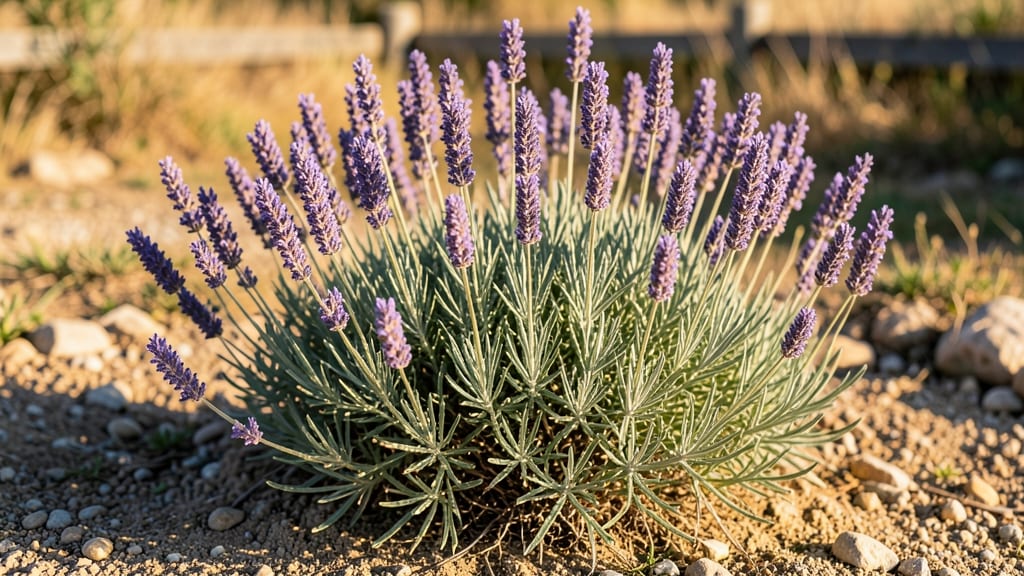
Ideal sunlight requirements for lavender plants: hours and intensity explained
Lavender plants, native to the Mediterranean region, thrive under bright, intense sunlight that mimics their natural habitat. As a sun-worshipping herb, lavender demands at least 6-8 hours of direct sunlight daily to produce its signature fragrant blooms and maintain healthy foliage.
Without adequate light, lavender becomes leggy, weak-stemmed, and prone to disease.
In regions with hot summers, lavender can tolerate up to 10+ hours of sunlight, especially when paired with well-draining soil to prevent root stress. However, afternoon shade (especially in zones with intense heat) helps protect leaves from sunburn, which appears as crispy, browned edges.
Think of lavender’s light needs like a desert plant—it craves sun but needs protection from scorching.
Seasonal adjustments are key: spring and fall offer gentler light, while summer’s harsh rays may require temporary shade cloth (30-50% coverage). Even in cooler climates (USDA Zones 5-7), lavender benefits from supplemental grow lights during winter’s short days to maintain vigor.
Without enough light, lavender’s oil production (responsible for its fragrance) drops dramatically.
Lavender Sunlight Requirements at a Glance
| Condition | Specification | Notes |
|---|---|---|
| Minimum Daily Light | 6-8 hours | Below 6 hours = leggy growth |
| Optimal Light | 8-10 hours | Peak blooms and fragrance |
| Summer Adjustment | Afternoon shade | Prevents leaf scorch |
| Winter Supplement | Grow lights (4-6 hrs) | Maintains dormancy health |
| Partial Shade Tolerance | 2-4 hours max | Reduces flowering potential |
Lavender’s photosynthesis efficiency peaks under full-spectrum sunlight, which includes UV rays that enhance its essential oil production. In containers, place pots on south- or west-facing surfaces to maximize exposure.
If growing indoors near a south-facing window, rotate the plant weekly to prevent one-sided growth toward the light source.
For container gardeners, terracotta pots (which dry quickly) paired with reflective mulch (like white gravel) can increase light absorption by 20%. Avoid dark-colored containers—they absorb heat and stress lavender roots.
In urban settings with limited sunlight, consider lavender cultivars like 'Munstead' or 'Hidcote', which are slightly more adaptable to partial shade than standard varieties.
One common mistake is assuming "morning sun is enough". While morning light is beneficial, lavender’s afternoon energy boost (when sunlight is most intense) is critical for bud formation. Without it, you’ll notice smaller flowers and fewer blooms.
To test your lavender’s light exposure, place a white piece of paper near the plant at noon—if the shadow is smaller than the plant itself, it’s getting enough direct light.
Regional variations matter too: Southern climates (like Arizona or Texas) may need afternoon shade cloth, while Northern gardens (like Seattle or Portland) can push lavender to 12+ hours of light in summer. Always monitor your plant’s foliage color—healthy lavender leaves are silvery-green, not yellow or purple-tinged.
If you’re pruning lavender, time it for early spring before new growth begins. This ensures the plant has full sunlight access to fuel its regrowth phase. Avoid heavy pruning in late summer, as this reduces the plant’s ability to store energy for winter dormancy.
Remember: sunlight is lavender’s lifeline—prioritize it over water or fertilizer for the best results.
For new gardeners, start with a lavender variety suited to your climate. For example, 'Grosso' lavender thrives in hot, dry regions, while 'Loddon Pink' tolerates cooler, humid summers. Always check the USDA Zone recommendations for your specific cultivar to match its native light conditions.
Finally, don’t overlook microclimates—a south-facing wall can provide extra sunlight hours,
Ideal sunlight requirements for lavender plants: hours and intensity explained
Lavender plants thrive in full sun, requiring at least 6 to 8 hours of direct sunlight daily. This Mediterranean native evolved to bask under intense sunlight, and replicating those conditions is key to vibrant blooms and aromatic foliage.
Without enough light, your lavender will struggle to produce those signature purple spikes and may become leggy or sparse.
For optimal growth, position your lavender in a spot where it receives morning sun combined with afternoon light. If you're in a hot climate, afternoon shade can prevent leaf scorch, but morning sun is non-negotiable.
Lavender's love for sunlight is tied to its natural habitat—dry, rocky slopes where competition for light is fierce.
🌱 Lavender Sunlight Summary
| Requirement | Specification |
|---|---|
| Minimum Daily Sunlight | 6+ hours of direct sunlight |
| Optimal Sunlight | 8+ hours for peak blooms |
| Best Light Intensity | Full sun (no filtered light) |
| Partial Shade Tolerance | Only 2-3 hours max of shade |
| Seasonal Adjustments | Move to morning sun in summer |
If you're growing lavender in containers, place them on a sunny patio, deck, or balcony where they can soak up sunlight. South-facing windows are ideal for indoor lavender, but even then, supplement with a grow light for 4-6 hours daily if natural light falls short.
Lavender's roots need warmth, so ensure your container material (like terracotta) absorbs and retains heat during the day.
In cooler climates, lavender can handle partial shade in summer to prevent heat stress, but this is a temporary fix. Always prioritize the most sunlight possible, especially during the growing season (spring to early fall).
Without adequate light, your lavender may produce fewer flowers and weaker stems, making it prone to flopping over.
Pro tip: Observe your lavender’s growth pattern after planting. If stems stretch excessively toward light sources, it’s a clear sign of light deficiency. Adjust its position immediately to avoid long-term damage. Remember, lavender’s fragrance and color are directly tied to its sunlight exposure—so don’t skimp!
For those in urban gardens with limited sunlight, consider dwarf varieties like 'Hidcote' or 'Munstead', which are slightly more adaptable to partial shade. However, even these will reward you best with maximum sunlight exposure.