
Plants
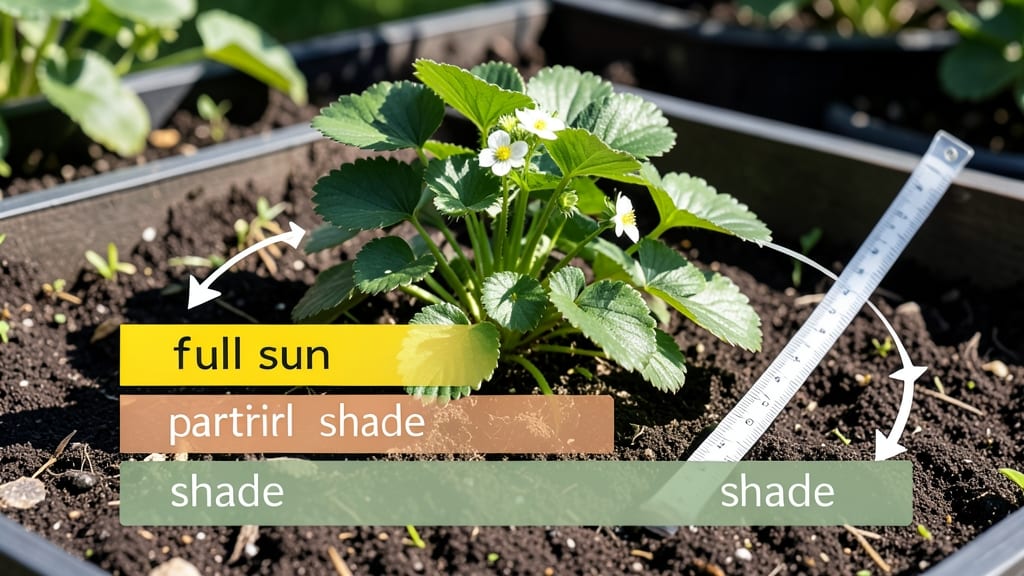
If you’re wondering how much light does a strawberry plant need to thrive, the answer isn’t just about hours—it’s about the right balance for your 🍓 variety and climate. Too little sunlight means weak growth and sparse berries, while too much can scorch delicate leaves.
The key lies in understanding your strawberries’ specific needs, whether they’re June-bearing, everbearing, or day-neutral types.
Most strawberry plants crave 6 to 8 hours of direct sunlight daily, but the exact amount depends on your location and the type you’re growing. In USDA Zone 6a, where spring planting kicks off in March, young plants benefit from gentle morning sun to avoid stress.
As they mature, they’ll reward you with bigger yields when basking in full sun—just don’t let them fry under midday heat.
Here’s the game-changer: adjusting light exposure isn’t just about hours—it’s about timing and shade strategies. Everbearing varieties, for example, might need partial shade in scorching afternoons, while June-bearing types thrive with unfiltered sun.
I’ll break down how to spot signs of insufficient light, like pale leaves or leggy stems, and show you how to tweak your setup for a bountiful harvest.
Ready to optimize your strawberry patch? Let’s dive into the sunlight secrets that’ll transform your garden from mediocre to mouthwatering. Whether you’re dealing with a shady spot or a sun-soaked patch, these tips will help you grow strawberries that burst with flavor—and that’s a reward worth chasing.

Sunlight requirements for strawberry plants by variety type
Strawberries are sun-loving plants, but their exact light needs vary depending on the variety type. Understanding these differences helps you choose the right plants for your garden’s sun exposure and maximize your harvest. Let’s break down the sunlight requirements for June-bearing, everbearing, and day-neutral strawberries.
All strawberry varieties thrive best with at least 6 to 8 hours of direct sunlight daily. However, some types tolerate partial shade better than others.
For example, June-bearing varieties demand the most sunlight, while day-neutral types are slightly more adaptable to lighter conditions. Let’s explore the specifics for each type.
| Variety Type | Optimal Sunlight | Partial Shade Tolerance | Best For |
|---|---|---|---|
| June-bearing | 6–8+ hours | Poor (reduces fruit) | Full-sun gardens |
| Everbearing | 6–8 hours | Moderate (smaller yield) | Partially sunny spots |
| Day-neutral | 5–7 hours | Good (still productive) | Shadier gardens |
June-bearing strawberries are the most demanding, requiring full sun exposure to produce their signature large, flavorful berries. These varieties produce fruit in a single spring harvest, so they need all the sunlight they can get to ripen properly. If you’re growing June-bearing types like 'Chandler' or 'Jewel', place them in the sunniest spot in your garden.
On the other hand, everbearing strawberries offer two harvests—one in early summer and another in fall. They tolerate slightly less sunlight, around 6 to 8 hours daily, but will still produce well in partial shade.
Varieties like 'Ozark Beauty' or 'Seascape' are great choices for gardens with mixed light conditions, though fruit size may be smaller in shadier spots.
Day-neutral strawberries are the most adaptable, thriving with as little as 5 to 7 hours of sunlight. This makes them ideal for shadier gardens or even container growing near windows. Varieties like 'Albion' or 'Tristar' will keep producing berries throughout the growing season, even in less-than-ideal light. However, expect a smaller yield if they don’t get enough sun.
Seasonal adjustments are key, especially in regions with short summer days or long winter nights. For example, if you’re in a northern climate, supplement natural light with reflective surfaces like white walls or mirrors to bounce extra sunlight onto your plants.
In hot, southern climates, provide afternoon shade to prevent leaf scorch while still ensuring morning sun for energy production.
Another factor to consider is microclimates within your garden. A spot near a fence or building might receive only 4 hours of direct sunlight, while an open area gets full sun all day.
Use this knowledge to strategically place your strawberries. For instance, day-neutral varieties can thrive in the partial shade near your house, while June-bearing types should be planted in the open sunniest area.
If you’re growing strawberries in containers or raised beds, mobility is your advantage. Rotate pots throughout the day to ensure even light exposure, especially if your space is limited. This is particularly useful for balcony gardens or urban settings where sunlight shifts throughout the day.
Finally, remember that light quality matters as much as quantity. Strawberries need direct sunlight, not just bright, diffuse light. Dappled shade from trees or artificial shade cloth can reduce fruit production, even if the leaves look healthy. Always prioritize full sun exposure for the best-tasting, most abundant harvest.
By matching your strawberry variety to your garden’s sunlight conditions, you’ll set yourself up for a successful and bountiful harvest. Whether you’re a seasoned gardener or a beginner, understanding these sunlight requirements will help you grow strawberries that are sweet, juicy, and abundant. 🍓
Sunlight requirements for strawberry plants by variety type
Strawberries are sun-worshippers, but not all varieties demand the same amount of light. June-bearing strawberries, like Chandler or Jewel, thrive with 6-10 hours of full sun daily to produce their heavy summer harvest. Everbearing types, such as Ozark Beauty, need 5-8 hours for two harvests per season.
Meanwhile, day-neutral varieties like Seascape adapt well to 4-6 hours of sun, making them ideal for partial shade gardens.
In hot climates, afternoon shade can prevent leaf scorch while still meeting sunlight needs. Northern gardens may require south-facing beds to maximize light exposure during shorter days. Understanding these differences ensures your strawberries get the perfect balance for optimal fruiting.
| Variety Type | Sunlight Needs | Best For | Climate Adaptability |
|---|---|---|---|
| June-bearing | 6-10 hours full sun | Heavy summer harvest | Cooler regions, full sun |
| Everbearing | 5-8 hours full sun | Two harvests/year | Moderate climates |
| Day-neutral | 4-6 hours sun | Year-round production | Partial shade, warm areas |
For container gardening, place pots near south-facing windows or use reflective surfaces to bounce light onto plants. Vertical gardens with strawberries can also maximize light exposure in small spaces. Just ensure containers have drainage holes to prevent root rot from overwatering.
Seasonal adjustments matter too. In spring and fall, strawberries can handle morning sun and afternoon shade, while summer’s intense rays may require light shade cloth to protect leaves. Winter dormancy reduces light needs, but prune dead foliage to allow new growth access to sunlight in early spring.
If your garden has microclimates, test light exposure by placing a white board near plants for an hour.
If shadows cover more than 30% of the board, your strawberries may need relocation or supplemental light. LED grow lights can extend daylight to 12-14 hours for indoor or greenhouse strawberries.
Remember, more sun doesn’t always mean better. Over-exposure can cause fruit burn or leaf desiccation. Balance is key—aim for bright, indirect light when direct sun exceeds 8 hours daily. With the right light, your strawberries will reward you with sweet, abundant fruit all season long.