
Plants
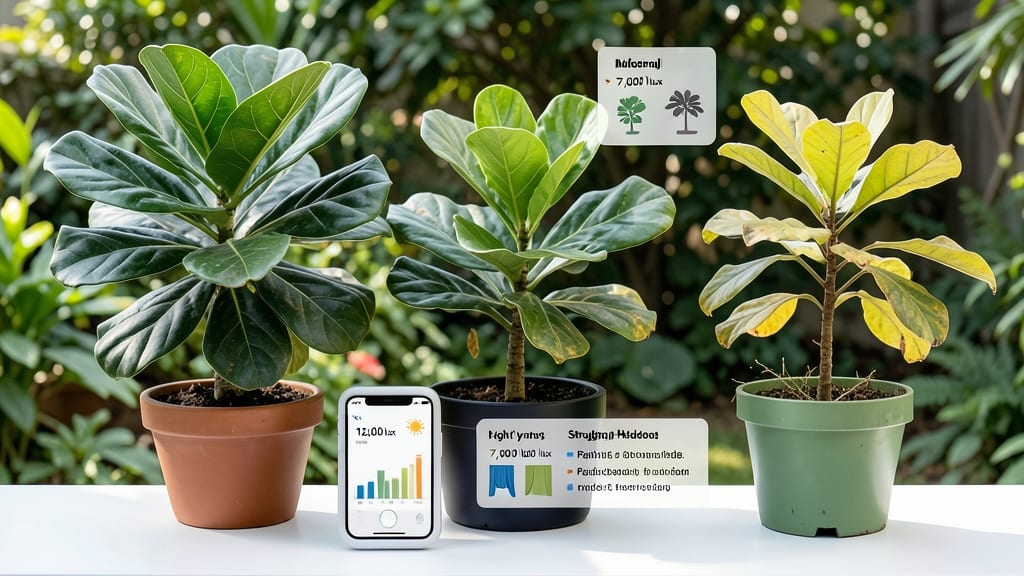
Wondering how much light does a ficus plant need to thrive? You’re not alone—this is one of the most common questions for new plant parents, and the answer might surprise you.
Unlike sun-hungry succulents, your 🌿 ficus actually prefers gentle, indirect light, making it perfect for those cozy corners of your home that get overlooked.
The key is balance: too little light, and your ficus will stretch awkwardly toward any available glow, while too much direct sun can scorch its leaves.
In USDA Zone 6a, where spring planting is ideal, positioning matters—think east-facing windows for soft morning light or a spot 2-3 feet from a north-facing window for that sweet spot of brightness.
What if your space is dim? Don’t worry—ficus plants are adaptable. With a few simple adjustments, like rotating your plant occasionally or supplementing with a grow light, you can keep your 🌿 ficus happy year-round. Let’s break down exactly how to read your plant’s light needs and avoid common pitfalls.
From identifying the perfect spot to spotting early signs of light stress, you’ll learn how to give your ficus exactly what it craves—no guesswork required. Ready to transform your plant care game?

Ficus light requirements: ideal brightness levels for healthy growth
Ficus plants thrive in bright, indirect light, making them perfect for homes with limited natural sunlight. Unlike sun-worshiping plants, ficus varieties like the Ficus elastica (rubber plant) or Ficus benjamina (weeping fig) prefer filtered light that mimics their native understory environments.
Think of it as the "Goldilocks zone" of light—not too harsh, not too dim.
Most ficus plants tolerate 1000–3000 lux of light intensity, which translates to 2–4 hours of morning or afternoon sun daily. Direct midday sun (especially through south-facing windows) can scorch leaves, leaving brown crispy patches as telltale signs of over-exposure.
On the flip side, deep shade causes leaves to yellow or drop prematurely.
🌿
Seasonal changes demand light adjustments for your ficus. In winter, when daylight shrinks, move your plant closer to a window or supplement with a grow light for 12–14 hours daily.
Conversely, during summer, shield your ficus from intense afternoon sun by using sheer curtains or rotating the pot away from the window.
Watch for leaf color shifts to gauge light needs: Dark green leaves signal ideal conditions, while pale yellow leaves scream for more light. If you notice brown patches on leaves facing the window, your ficus is getting too much direct sun—immediately relocate it to a brighter, indirect spot.
For urban apartments with minimal windows, LED grow lights (like full-spectrum bulbs) are a game-changer. Place them 6–12 inches above the plant and run them for 10–12 hours daily to mimic natural light cycles.
This setup works wonders for Ficus lyrata (fiddle-leaf fig), which is slightly more demanding than other varieties.
Pro tip: Rotate your ficus quarterly to ensure even light exposure on all sides. Uneven growth (like lopsided leaves) often stems from favoring one side over time. A slow 180-degree turn every month keeps your plant symmetrical and thriving.
🪴
How to adjust your home’s lighting for a ficus plant’s success
Positioning your ficus plant correctly in your home can make all the difference in its health. Unlike sun-loving succulents, ficus thrives in bright, indirect light—think of it as a plant that enjoys a cozy reading nook by the window.
South-facing windows may feel too harsh, while north-facing ones offer the perfect gentle glow. If your space lacks natural light, don’t worry—artificial grow lights can step in to keep your ficus happy.
Start by placing your ficus near a window with filtered sunlight. East or west-facing windows are ideal because they provide morning or afternoon light without the intense midday rays.
If you notice brown leaf tips or yellowing leaves, it’s a sign your plant is getting too much direct sun. Rotate the pot every few weeks to ensure even growth and prevent leaning toward the light source.
For rooms with minimal natural light, like basements or interior spaces, consider using a grow light. LED grow lights are energy-efficient and mimic the spectrum of sunlight. Position the light about 6-12 inches above your ficus and keep it on for 12-14 hours a day.
This mimics the plant’s natural daylight cycle and prevents leggy growth or weak stems.
⚠️ Watch for These Light-Related Signs
Too little light: Slow growth, small leaves, and pale yellow foliage.
Too much light: Brown crispy edges on leaves or bleached spots.
Adjust placement or use sheer curtains to diffuse harsh sunlight.
Seasonal changes also affect your ficus’s light needs. In winter, when daylight is shorter, supplement with artificial light or move the plant closer to a bright window. Conversely, during summer, watch for direct sunlight through open windows and adjust placement accordingly.
A simple trick is to use a sheer curtain to filter sunlight while still allowing plenty of brightness to reach your plant.
If you’re unsure whether your space is too dim, observe your ficus’s leaves. Healthy foliage should be deep green and glossy. If the leaves start looking dull or the plant stretches toward the light, it’s time to increase light exposure.
Remember, ficus plants are adaptable, but they do best with consistent, moderate light—never extreme conditions.
With the right lighting setup, your ficus will reward you with lush growth and vibrant leaves for years to come. Experiment with placement and observe how your plant responds—this trial-and-error approach will help you find the perfect spot tailored to your home’s unique lighting. 🪴