
Plants
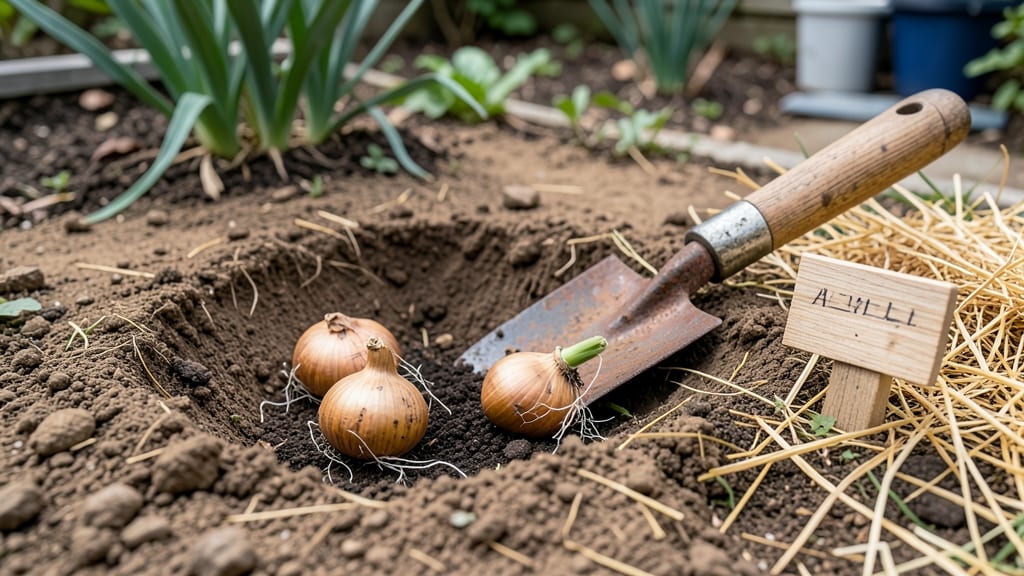
Planting daffodil bulbs in the fall is your golden ticket to a burst of cheerful 🌼 color next spring—but get the timing wrong, and you might end up with rot instead of blooms.
The secret lies in understanding your local climate and planting just as the soil cools, before the ground freezes solid.
For gardeners in USDA Zone 6a (like much of the Midwest), that sweet spot is typically mid-October to early November, when temperatures dip into the 50s°F at night. This gives the bulbs time to root without sprouting too soon, a process called vernalization that triggers their spring blooming magic.
Don’t worry if you’re new to gardening—this guide breaks down exactly what you need to know, from soil prep to spacing, so your daffodils thrive. Whether you’re in a cooler northern zone or a milder southern climate, we’ll help you avoid common mistakes that lead to bulb failure.
Ready to transform your yard into a springtime showstopper? Let’s dive into the exact steps to plant your daffodil bulbs for maximum success, so you can enjoy those bright blooms come April.
Best fall planting months for daffodil bulbs by USDA hardiness zones
Timing your daffodil bulb planting is the secret to vibrant spring blooms. Plant too early, and bulbs may sprout prematurely; too late, and they won’t establish roots before winter.
The key? Plant 6 weeks before your first frost, when soil temps drop to 60°F (15°C)—this triggers bulb dormancy while allowing root growth.
Your USDA zone determines the perfect window. Northern gardeners (Zones 3-5) should plant mid-September to mid-October, while southern zones (7-10) have until late November. The chill requirement—typically 400-600 hours below 45°F—ensures bulbs bloom reliably. Skip this step, and you risk weak or no flowers next spring.
Pro Tip: Use your local frost date as your deadline. For example, if frost hits November 15, plant by late September. Check the National Weather Service or Old Farmer’s Almanac for your area’s average first frost.
| USDA Zone | Ideal Planting Window | Chill Hours Needed | Key Variety Tip |
|---|---|---|---|
| Zones 3-5 | Mid-September to mid-October | 500-600 hours | Choose 'Ice Follies' or 'Tête-à-Tête' for extra cold hardiness. |
| Zones 6-7 | Late September to early November | 400-500 hours | 'Thalia' thrives in milder winters. |
| Zones 8-10 | October to late November | 300-400 hours | Plant 'Carlton' for heat tolerance. |
If you’re in Zone 4 or colder, aim for early September planting—soil freezes faster, and bulbs need more time to root.
In Zone 8+, wait until October to avoid summer heat stress. Soil temperature is your best guide: Use a soil thermometer to confirm it’s below 60°F (15°C) before planting.
Missed the window? Early fall (September) is your backup. Plant bulbs in containers or a protected garden bed and store them in a cool, dark place (like a garage) until temps drop. This two-step method works for gardeners in warm climates with mild winters.
For container gardening, plant bulbs in well-draining pots with sand or perlite mixed into soil. Use a slow-release fertilizer to avoid overfeeding. Containers warm up faster, so monitor soil moisture closely—dry soil = bulb failure.
After planting, mulch heavily (3-4 inches) with straw or shredded leaves to insulate bulbs. This protects them from freeze-thaw cycles and soil heaving. In Zone 5 and below, add an extra layer of straw mulch once snow falls for extra insulation.
Remember: Daffodils hate soggy soil. If your area gets heavy rain in fall, plant bulbs on a slight slope or in a raised bed to prevent waterlogging. Well-draining soil is non-negotiable—bulbs rot quickly in compacted or clay-heavy soil.
Final check: Test your soil pH (aim for 6.5-7.5lime before planting. Amend with compost for nutrients, but avoid fresh manure—it can burn bulbs. Now grab your bulb planter and get those daffodils in the ground—your spring garden will thank you! 🌼
Best fall planting months for daffodil bulbs by USDA hardiness zones
Timing your daffodil bulbs for fall planting depends entirely on your USDA hardiness zone. In colder zones like 3-5, plant as early as September—up to 6 weeks before frost.
Warmer zones (7-10) can wait until November or even December, but avoid planting when soil temps exceed 60°F. The key is giving bulbs time to root before winter dormancy begins.
Daffodils need chill hours (300-600) to bloom reliably. Northern zones get these naturally, while southern gardeners may need cold-hardy varieties like 'Ice Follies' or 'Thalia'. Check your last frost date—planting too late risks rot, while early planting lets bulbs establish roots before freezing.
Here’s your zone-by-zone planting window to ensure spring blooms instead of bulb failure:
| Zone | Ideal Planting Month | Chill Hours Needed | Soil Temp Goal |
|---|---|---|---|
| 3-5 | September–early October | 450–600 | 45–55°F |
| 6-8 | October–mid-November | 300–450 | 50–60°F |
| 9-10 | November–December (early) | 200–300 | 55–65°F |
For zones 9-10, prioritize dwarf varieties like 'Tête-à-Tête' to handle milder winters. In Zone 6a (like my garden!), I aim for mid-October planting—just as soil cools to 55°F. Use a soil thermometer if unsure; bulbs need 4-6 weeks to root before freezing.
Pro tip: Mark your calendar 6 weeks before your average first frost. This gives bulbs time to root without sprouting too early. In Zone 5, that’s usually late September, while Zone 8 gardeners can wait until November. Adjust for early freezes or late springs!
If you’re unsure about your zone, check the USDA Plant Hardiness Zone Map or use your zip code in tools like Moonpreneur’s Bulb Planting Calculator.
My local extension office also provides frost date data—always a reliable source. Don’t guess; plan ahead for bulbs that’ll reward you with bold spring color.
Once you’ve nailed the timing, focus on soil prep and bulb placement. Well-draining soil and proper depth (typically 6 inches deep) are just as critical as the planting date. Skip to my next section for those details to avoid common pitfalls like rot or weak blooms.