
Plants
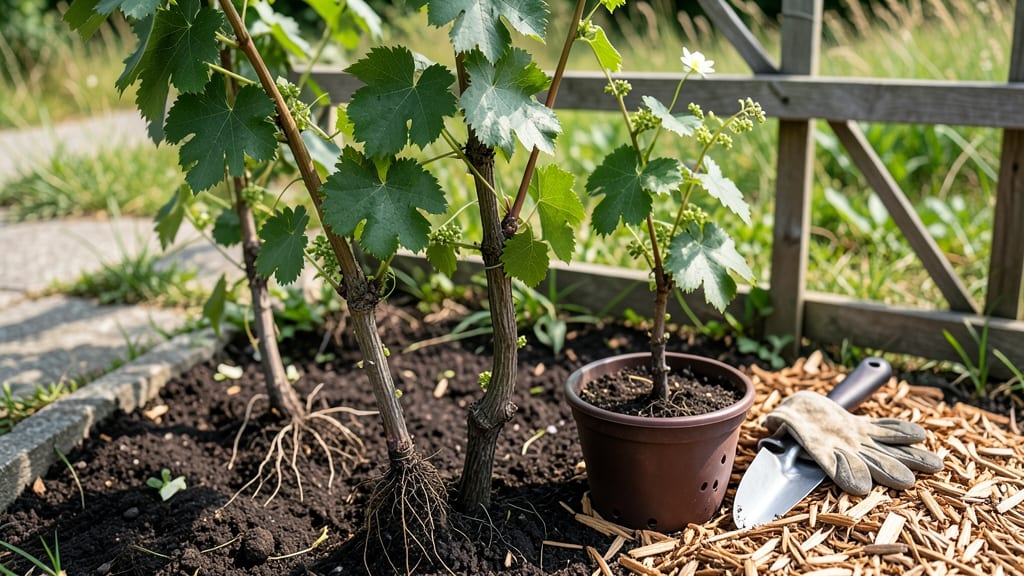
Timing your 🍇 grapes planting in North Carolina could mean the difference between a thriving vineyard and a disappointing harvest. The perfect window isn't just about the calendar—it's about understanding your local climate, soil readiness, and frost risks that vary dramatically across zones 7a-8b.
Most gardeners in NC plant their 🍇 grapes between late winter and early spring, but getting it exactly right means accounting for your specific region.
Whether you're in the Piedmont's warmer microclimates or the Coastal Plain's humid zones, knowing when to start your vines gives them the best possible head start for summer's heat and fall's harvest.
I'll walk you through the exact planting windows for your area, including how to prepare your soil and choose the right varieties for your climate.
With these insights, you'll avoid common mistakes that lead to stunted growth or poor fruit set—and set your vines up for a bountiful harvest from August through October.
Ready to transform your backyard into a productive grapevine? Let's dive into the science-backed timing that'll make your 🍇 grapes thrive year after year, no matter where in North Carolina you're gardening.
North Carolina heat-zone planting map: best months by region
North Carolina's diverse climate—from the cool mountain regions to the humid coastal plains—means grapes thrive in different windows. The state spans USDA zones 5a to 8a, so your planting timeline depends on where you live.
For example, Asheville (zone 7a) has a later frost date than Wilmington (zone 8a), shifting your ideal window by weeks. Let’s break it down by region so you can plant with confidence.
Most NC gardeners should aim for late winter to early spring, but exact timing varies. The last average frost date is your critical deadline—plant 4-6 weeks before this date to avoid frost damage.
Coastal areas (like New Bern) can plant as early as February 15, while mountain zones (like Boone) should wait until April 1. Soil temperature also matters: 50°F+ is ideal for root establishment.
Here’s a quick regional guide to avoid common mistakes, like planting too early in cold zones or missing the window in warmer areas.
| Region | USDA Zone | Last Frost Date | Ideal Planting Window | Soil Temp Trigger |
|---|---|---|---|---|
| Mountains (Asheville, Boone) | 5a-6b | April 15 | March 15 - April 1 | 50°F+ |
| Piedmont (Raleigh, Greensboro) | 7a-7b | March 25 | February 20 - March 15 | 50°F+ |
| Coastal Plain (Wilmington, New Bern) | 8a-8b | February 15 | January 30 - February 15 | 55°F+ |
🌱 Pro Tip: Check your local Cooperative Extension for hyper-local frost dates!
If you’re in zone 7a or warmer, you can also plant bare-root vines in late winter (January-February) for an earlier harvest. However, avoid planting in fall—NC’s unpredictable late frosts can damage young vines. For container growing, extend your window slightly, as pots warm up faster in spring.
Microclimates play a huge role. Urban areas like Charlotte may experience heat islands, allowing earlier planting, while rural sandhill regions (like near Fayetteville) can have colder pockets.
Always monitor soil temperature with a probe—50°F is the magic number for root growth. If your soil is still cold, wait a week or two.
For Muscadine grapes (native to NC), timing is less critical due to their disease resistance, but they still prefer spring planting. European varieties (like Catawba) need precise timing to avoid spring frosts, which can kill buds.
If you’re unsure, err on the side of planting later—vines recover better from delayed starts than from frost damage.
Once planted, grapes need full sun (6+ hours daily) and well-draining soil. In coastal NC, where humidity is high, choose disease-resistant varieties like Norton or Cabernet Franc.
In the mountains, focus on cold-hardy types like Concord or Niagara. Always amend soil with compost before planting to improve drainage and fertility.
Remember: Grapes are perennial, so getting the timing right the first year sets up decades of harvests. If you miss the spring window, you can try fall planting (September-October) in zones 7b+, but this is riskier due to frost.
For most NC gardeners, March is the sweet spot—cool enough for roots to establish but warm enough for growth to begin.
🌿 Now that you’ve got your timing locked in, let’s talk about soil and climate checks to ensure your grapes thrive from day one.
Signs your NC soil and climate are ready for grapes (before planting)
Before you dig in, check if your North Carolina garden meets grapes' key requirements. The wrong soil conditions or timing mistakes can stall growth or invite pests. Start by verifying your last frost date, which varies from mid-March in the mountains to early April along the coast.
Test your soil pH—grapes thrive in acidic to slightly acidic soil (5.5–6.5). Use a home pH kit or send a sample to your local Cooperative Extension for precise results. Sandy soils drain too fast, while clay holds too much moisture—both stress vines. Aim for loamy soil with good drainage.
If soil temps are below 60°F (15°C), roots won’t establish. Use a soil thermometer to confirm warmth at 6–8 inches deep. Coastal NC areas warm faster than the mountains, so adjust timing accordingly.
Observe your microclimate. Urban areas stay 5–10°F warmer than rural zones, delaying frost. If you’re in Zone 7a (western NC), wait until April 1 to plant. For Zone 8a (coastal), March 15 is safer. Watch for wild grapevines—their presence signals your area’s climate suits grapes.
Prepare your site by removing weeds and amending soil with compost or aged manure. Grapes need well-draining soil, so avoid low spots where water pools. If your yard is heavy clay, mix in sand or perlite to improve aeration. A slightly elevated mound helps prevent root rot.
Finally, check for pest threats like Japanese beetles or spider mites, common in NC. Prune nearby plants to reduce hiding spots and apply neem oil as a preventive spray. Healthy soil and timing set the stage for bountiful grape harvests in late summer.
With these checks complete, you’re ready to plant NC-adapted varieties like Catawba or Muscadine—just pick the right month for your zone! 🌱✂️🍇