
Plants
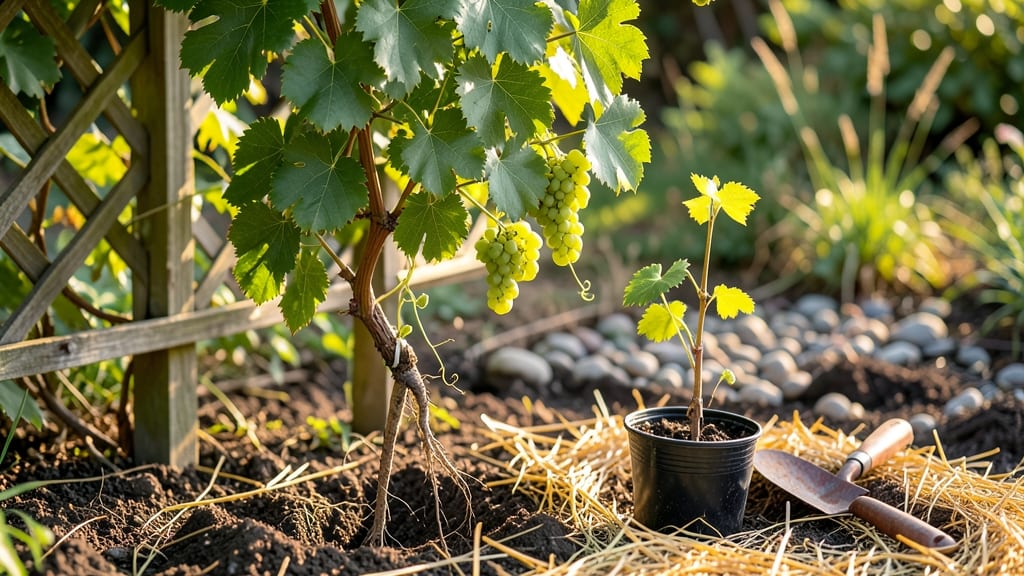
Planting grapes in Florida isn’t just about digging a hole—it’s about mastering the perfect timing to beat the heat and ensure those sweet 🍇 clusters thrive.
With no frost to worry about, Florida’s warm winters actually work in your favor, but getting the schedule wrong means struggling with weak vines or poor fruit set.
Most gardeners here make one of two mistakes: planting too early and stressing young roots in summer’s relentless sun, or waiting too late and missing the ideal window for strong root establishment.
The key? Planting dormant bare-root vines between November and March, when cooler temps give your grapes a fighting chance before the real heat kicks in.
I’ve grown grapes in Florida’s 9a-10b zones for years, and the difference between a struggling vine and a thriving one often comes down to these few months.
Whether you’re growing muscadines, scuppernongs, or table grapes, we’ll break down exactly when to plant for your specific region—and how to prep your soil for maximum success.
Ready to grow grapes that produce bountiful harvests from June through September? Let’s dive into the chill-hour matching system that’ll make your Florida grape-growing journey a whole lot easier.
Florida grape planting timeline by chill-hour requirements
Florida’s frost-free climate creates unique opportunities for growing grapes, but chill hours—not frost—determine success. Unlike northern states, Florida’s grapes thrive with 0-300 chill hours, making winter planting ideal. Muscadines and scuppernongs (native varieties) need fewer chill hours, while European table grapes require more careful timing.
Most Florida gardeners plant bare-root vines in late fall or winter, allowing roots to establish before summer’s intense heat. November through March is the prime window, but your exact timing depends on your USDA zone (8a-11) and grape variety. Let’s break down the best planting months based on chill-hour needs.
🍇
| Variety | Chill-Hour Needs | Best Planting Months | Notes |
|---|---|---|---|
| Muscadine (e.g., 'Scuppernong', 'Carlos') | 0-200 hours | November–February | Heat-tolerant; thrive in South Florida. |
| Scuppernong | 100-200 hours | December–January | Classic Florida variety; needs well-draining soil. |
| European Table Grapes (e.g., 'Thompson Seedless') | 200-300 hours | November–December | Best for North/Central Florida; needs winter chill. |
| Heat-Tolerant Hybrids (e.g., 'Blanc Du Bois') | 0-150 hours | October–November | Ideal for South Florida’s hot summers. |
For North Florida (Zones 8a-8b), aim to plant by January to ensure roots establish before summer. In Central Florida (Zone 9a), December is ideal, while South Florida (Zones 10a-11) gardeners can plant as late as February for heat-tolerant varieties. Always choose dormant vines to reduce transplant shock.
If you’re in a cooler microclimate (e.g., near Lake Okeechobee or the Panhandle), prioritize varieties like 'Thompson Seedless' that tolerate slightly more chill hours. Soil temperature is another critical factor—wait until the ground cools below 70°F before planting to prevent root stress.
🌱
After planting, mulch heavily with wood chips or straw to retain moisture and regulate soil temperature. In Florida’s summer heat, vines can suffer from heat stress, so providing afternoon shade with shade cloth (30-50%) during the first growing season is a game-changer.
I’ve seen vines double in vigor when protected this way!
For container growing, plant in large pots (15+ gallons) and use a well-draining potting mix with added compost. Containers warm up faster, so monitor soil moisture closely—drip irrigation is your best friend here.
In my own backyard, container-grown muscadines thrived with this setup, even in Miami’s Zone 11.
💧
One common mistake is planting too early in October, especially in South Florida. While it’s tempting to get a head start, vines planted in late fall may sprout too early and struggle with spring heat waves.
Instead, wait until November for a safer bet. If you’re in doubt, bare-root vines can be stored in a cool, moist place (like a refrigerator crisper drawer) until planting time.
Finally, always prune new vines to 2-3 buds after planting to encourage strong root growth. Avoid heavy pruning in the first year—let the vine focus on establishing its foundation. With the right timing and care, your Florida grapevines will reward you with juicy fruit by late summer!
Best months to plant grapes in Florida’s North vs. South regions
Florida’s climate varies dramatically from North to South, making planting timing critical for grape success. In North Florida (Zones 8a-9a), cooler winters provide 400+ chill hours, allowing traditional grape varieties to thrive.
Meanwhile, Central and South Florida (Zones 10a-11) lack chill hours, requiring heat-tolerant varieties like ‘Scuppernong’ or ‘Muscadine’. Let’s break down the ideal windows for each region to maximize vine establishment.
For North Florida gardeners, the best planting window is December through February. This aligns with the dormant season, giving roots time to establish before spring growth. In contrast, South Florida’s warmer winters mean planting should occur in October or November to avoid summer heat stress.
The key difference? Chill-hour needs dictate variety selection, not just timing.
🍇
| Region | Best Planting Months | Chill-Hour Needs | Soil Prep Tip |
|---|---|---|---|
| North Florida | Dec–Feb | 400+ hours | Amend clay soil with compost |
| Central Florida | Oct–Nov | 0–300 hours | Add organic matter to sandy soil |
| South Florida | Oct–Nov | 0–100 hours | Use raised beds for drainage |
In North Florida, where winters dip into the 50s°F, planting in December ensures vines establish roots before spring warmth triggers growth. Scuppernong grapes, a local favorite, thrive here with minimal care.
Meanwhile, South Florida’s heat demands early planting—October is ideal—to let roots spread before summer’s intensity. Muscadine varieties like ‘Carlos’ excel in these conditions.
Soil type also plays a role. North Florida’s clay soils benefit from compost amendments to improve drainage, while South Florida’s sandy soils need organic matter to retain moisture. For both regions, mulching is non-negotiable—it regulates soil temperature and reduces water loss during Florida’s dry spells.
One common mistake? Planting in March or April. By then, summer’s heat is already stressing young vines. Instead, prioritize cool-season planting and pair it with drip irrigation to keep roots hydrated. With the right timing, your grapes will reward you with juicy clusters by summer.
🌱