
Plants
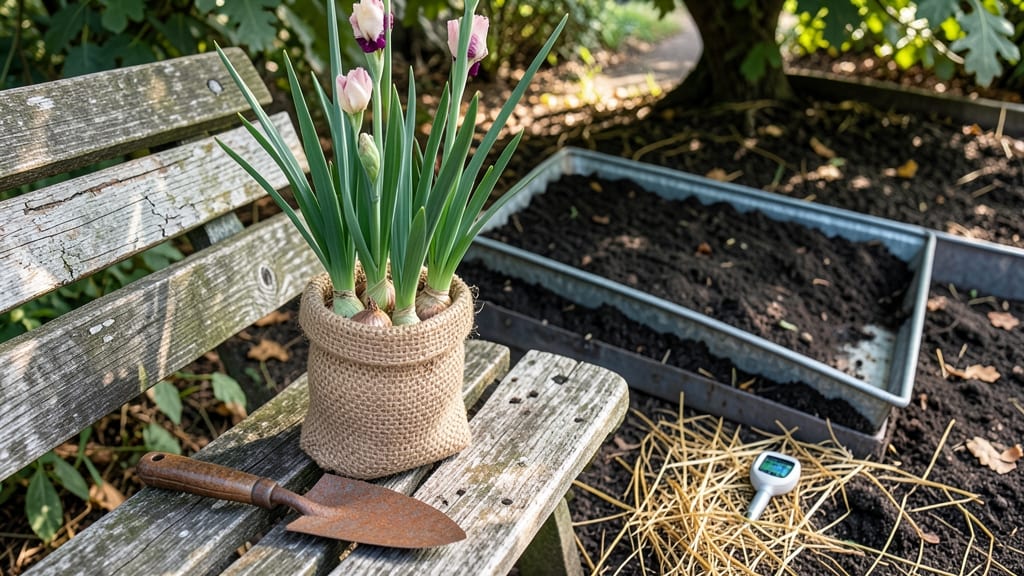
If you’ve ever watched your Gladiolus 🌸 plants wilt under Florida’s brutal summer heat—or missed out on those showstopping blooms—timing is everything. Planting these tall, dramatic flowers at the wrong time means struggling with heat stress or waiting months for rewards, and nobody wants that.
Here’s the secret: Florida’s frost-free zones (9a-11) let you plant Gladiolus twice a year, but the key is knowing exactly when to start. Whether you’re aiming for fall blooms or spring showstoppers, the right window makes all the difference—and I’ll show you how to nail it without guesswork.
We’re talking August-September for fall displays or February-March for spring bursts of color, but there’s more to it than just dates. Soil prep, heat tolerance, and even staggered planting can turn your garden into a nonstop parade of Gladiolus 🌸 blooms.
Let’s get your timing perfect so you’re not left with floppy stems or empty flowerbeds.
Ready to transform your Florida garden into a year-round spectacle? I’ll walk you through the exact steps—from soil prep to heat-smart planting—to ensure your Gladiolus thrive when it matters most. No more missed opportunities, just bold blooms on demand.
Florida heat-Zone planting calendar: best months for gladiolus success
Florida’s unique climate—with its frost-free winters and long growing season—creates a perfect environment for gladiolus (Gladiolus spp.), but timing is everything. Unlike northern states, you won’t need to wait for spring frost to pass. Instead, focus on soil temperatures and humidity levels to maximize blooms.
Gladiolus thrive in Florida’s USDA Zones 9a-11, where frost is rare or nonexistent. This means you can plant year-round, but strategic timing ensures healthier corms and longer-lasting blooms. The key is avoiding peak summer heat (June-August) and humid fall conditions (September-October), which can stress plants.
Here’s how to align your planting schedule with Florida’s three distinct heat zones—Northern, Central, and Southern—for optimal gladiolus success.
| Heat Zone | Best Planting Months | Soil Temp Threshold | Frost Risk | Bloom Season |
|---|---|---|---|---|
| Northern (Zone 9a) | Feb-Mar, Aug-Sept | 60°F+ | Low (Dec) | May-June, Oct-Nov |
| Central (Zone 9b-10a) | Jan-Feb, July-Aug | 65°F+ | None | Apr-May, Sept-Oct |
| Southern (Zone 10b-11) | Dec-Jan, June-July | 70°F+ | None | Mar-Apr, Aug-Sept |
For Northern Florida (Zone 9a), aim for February-March or August-September plantings. This timing avoids the brief frost risk in December and ensures soil temperatures stay above 60°F, which gladiolus corms need to sprout.
In Central Florida (Zones 9b-10a), you can plant as early as January-February for spring blooms or July-August for fall displays.
In Southern Florida (Zones 10b-11), where frost is nonexistent, you can plant year-round, but December-January and June-July are ideal. These months offer cooler temperatures and lower humidity, reducing stress on newly planted corms. Always wait until soil temperatures reach 70°F+—use a soil thermometer to check!
Pro tip: In humid Florida summers, gladiolus can suffer from corm rot if planted too early. Wait until afternoon temperatures drop below 90°F (typically late July-August) to plant for fall blooms. This gives corms time to establish roots before monsoon season arrives.
Gladiolus planted in February-March will bloom by May-June, while August-September plantings yield fall blooms in October-November. Staggering plantings by 4-6 weeks extends your cut-flower harvest and adds color to your garden year-round.
One critical mistake Florida gardeners make is planting gladiolus too shallowly (less than 4 inches deep). In our sandy soils, this exposes corms to heat stress and drought. Always bury them 6 inches deep and mulch with 2-3 inches of organic matter to retain moisture.
For container gardening, use well-draining pots and plant corms 6 inches deep in a lightweight potting mix. This mimics Florida’s sandy loam while preventing root rot from poor drainage. Place containers in full sun and water deeply every 3-5 days.
With the right timing, your gladiolus will reward you with bold, vibrant blooms that stand out against Florida’s lush greenery. Next, we’ll cover how to extend your gladiolus season using shade cloth and smart watering techniques—stay tuned!
Florida heat-Zone planting calendar: best months for gladiolus success
Florida’s unique climate—with its frost-free zones and long growing seasons—makes gladiolus planting a year-round possibility, but timing matters for vibrant blooms. Unlike northern climates, you won’t need to wait for spring; instead, focus on soil temperatures and heat tolerance to avoid stressing your plants.
Gladiolus thrive in USDA Zones 9a-11, where frost is rare or nonexistent. This means you can plant twice a year—once for spring blooms (February-March) and once for fall blooms (August-September). The key is avoiding the peak summer heat (June-July), when temperatures can exceed 90°F and stress young corms.
| Florida Region | Best Planting Window | Soil Temp Threshold | Bloom Season |
|---|---|---|---|
| North Florida (Zone 9a) | February-March (spring) or August-September (fall) | 60°F+ (avoid <60°F) | May-June (spring) or October-November (fall) |
| Central Florida (Zone 9b-10a) | January-February (spring) or July-August (fall) | 65°F+ (ideal 70°F-80°F) | April-May (spring) or September-October (fall) |
| South Florida (Zone 10b-11) | December-January (spring) or June-July (fall) | 70°F+ (avoid <70°F) | March-April (spring) or August-September (fall) |
For North Florida (e.g., Jacksonville, Gainesville), aim for February-March or August-September to avoid the rare December frost in Zone 9a. Central Florida (Orlando, Tampa) gardeners can push planting slightly earlier—January-February for spring or July-August for fall—thanks to milder winters.
In South Florida (Miami, Key West), where winters are warm, you can even plant in December-January for spring blooms or June-July for fall displays. The key is ensuring soil temperatures stay above 60°F—use a soil thermometer if unsure, as cooler soils slow growth.
Pro tip: Stagger your planting by 2-3 weeks to extend your bloom time. For example, plant half your corms in August and the rest in September for a 6-week display instead of just 2-3 weeks. This works especially well in Central and South Florida, where heat is less extreme.
Always plant gladiolus corms 4-6 inches deep in well-draining soil to prevent rot—a common issue in Florida’s humid climate. Add compost or sand to improve drainage if your soil is heavy clay, which is common in North Florida.