
Planting
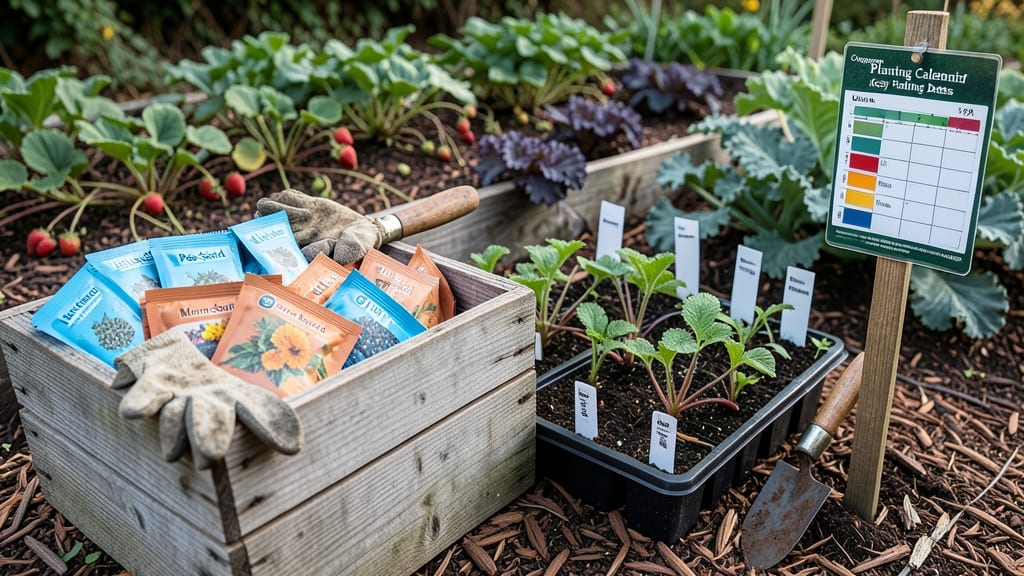
Figuring out when to plant garden in Oregon can feel like solving a puzzle—because the state’s coastal fog, inland valleys, and high deserts all have wildly different rules. One wrong move, and your seedlings might freeze in Portland while your inland neighbors’ plants bolt before they even set fruit.
The good news? With the right timing, you can turn Oregon’s unpredictable climate into your garden’s superpower.
Whether you’re in the 7b-9a zones of the Willamette Valley or the cooler coastal areas, knowing your last frost date is everything. For most gardeners, the sweet spot is March through May for spring planting, but inland regions like the high desert can wait until late April or even May.
And don’t forget fall—August to September is prime time for cool-season crops like kale and carrots.
This guide breaks down Oregon’s 5 key microclimates so you’ll know exactly when to start seeds indoors versus direct-sowing outdoors. We’ll cover soil temps, frost-free averages, and even how to adjust for those pesky late-spring chills. No more guessing—just a foolproof schedule tailored to your corner of the state.
Ready to grow a thriving garden? Let’s dive into the precise planting windows that’ll have your 🌱 General Garden flourishing all season long—no matter where you live in Oregon.
Oregon planting zones by elevation: when to start seeds indoors vs. direct-sow outdoors
Oregon’s 5 distinct elevation zones create wildly different planting windows—what works in coastal fog (Zone 1) fails in high-desert heat (Zone 5). I’ll break down last-frost dates, indoor seed-starting timelines, and direct-sow windows for 20 staple crops, plus how USDA zones intersect with elevation.
For example, spinach thrives in cool coastal soils (Zone 1) by February, while tomatoes in Bend’s high desert (Zone 5) need to wait until May 20—or risk bolting. Let’s map your zone first.
🌱 Visual Guide: Oregon’s 5 Planting Zones by Elevation
| Zone | Elevation | USDA Zone | Last Frost | First Frost | Indoor Start | Direct Sow |
|---|---|---|---|---|---|---|
| Coastal (Astoria, Cannon Beach) | 0–500 ft | 8a–8b | April 1–15 | October 15–30 | Feb 15–Mar 1 | Mar 15–Apr 15 |
| Willamette Valley (Portland, Eugene) | 500–1,000 ft | 7b–8a | April 15–May 1 | October 1–15 | Mar 1–Mar 15 | Apr 1–May 1 |
| Cascade Foothills (Salem, Corvallis) | 1,000–2,000 ft | 6b–7a | May 1–15 | September 15–30 | Mar 15–Apr 1 | Apr 15–May 15 |
| High Desert (Bend, Redmond) | 2,000–4,000 ft | 5b–6a | May 15–30 | September 1–15 | Apr 1–Apr 15 | May 15–June 1 |
| Mountain (Mount Hood, Crater Lake) | 4,000+ ft | 4a–5a | June 1–15 | August 15–30 | Apr 15–May 1 | June 1–July 1 |
Notice how Zone 1 (coastal) can direct-sow kale in March, while Zone 5 (mountain) must wait until June?
That’s why I recommend soil thermometers—50°F is the magic number for most seeds. Peppers and eggplants need 70°F+, so high-desert gardeners should start these indoors by April 1.
Pro tip: Use Oregon State University’s frost-free calculator (link in resources) to pinpoint your exact dates. For Portland’s Willamette Valley, aim to have tomato seedlings ready by May 1—any later, and you’ll lose weeks of harvest time to late spring chills.
Let’s tackle cool-season crops first: lettuce, spinach, and peas can handle coastal frosts as early as February 15, but high-desert gardeners should wait until April 15 to avoid bolting.
For warm-season stars like cucumbers and beans, soil temperature matters more than frost dates—wait until 60°F for direct sowing.
In Zone 3 (Cascade Foothills), where I garden, I start broccoli indoors
How to adjust planting times for Oregon’s unpredictable weather patterns
Oregon’s weather is famously unpredictable, with coastal fog lingering weeks longer than usual or high-desert heatwaves arriving early. I’ve learned the hard way that average frost dates are just a starting point—your actual planting window depends on soil warmth, weather forecasts, and microclimate quirks.
For example, my Portland garden hit 50°F soil temps on April 10 one year but waited until May 1 the next due to a late frost.
Here’s how I adjust planting times to beat Oregon’s unreliable weather: First, I check the 10-day forecast 2 weeks before my target date. If nighttime temps dip below 40°F, I delay tender seedlings like tomatoes or peppers—even if the calendar says it’s safe.
For cool-season crops like kale or carrots, I use row covers to extend the season by 3–4 weeks in spring or fall.
🌱 5 Pro Tips to Adjust for Oregon’s Weather
- 📅 Use a frost-free date calculator (like OSU’s) but add 2 weeks as a buffer—Oregon’s last frosts often arrive late.
- 🌡️ Monitor soil temperature, not air temp. 50°F is the magic number for most seeds, but peppers need 70°F+.
- 🌿 Start heat-lovers (tomatoes, basil) indoors by March 15 in Zone 3—even if you plant outdoors later. They’ll be hardier when transplanted.
- 🛡️ Use row covers or cold frames to push spring planting 2–3 weeks earlier or fall planting 2 weeks later.
- 🌧️ Wait for consistent rain to stop before planting. Waterlogged soil delays germination and invites fungal diseases.
For high-desert gardeners (Zones 4–5), I recommend heat-tolerant varieties like ‘Early Girl’ tomatoes or ‘Black Krim’ tomatoes, which handle 90°F+ temps better than standard varieties. In coastal areas, I opt for slow-bolting greens like ‘Winter Density’ kale to stretch harvests through late fall.
One of my biggest mistakes? Planting cucumbers too early in Zone 3 because the soil was ‘warm enough’—only to watch them wilt in a heatwave before setting fruit.
Now, I wait until late May and use black plastic mulch to raise soil temps 5–10°F faster. This simple trick has doubled my cucumber yield.
Finally, don’t forget fall planting! August is prime time for cool-season crops like spinach and radishes, but I always check the first frost date and aim to harvest before October 15 in Zone 1 or September 15 in Zone 3.
With these adjustments, you’ll turn Oregon’s unpredictable weather into your garden’s advantage.