
Plants
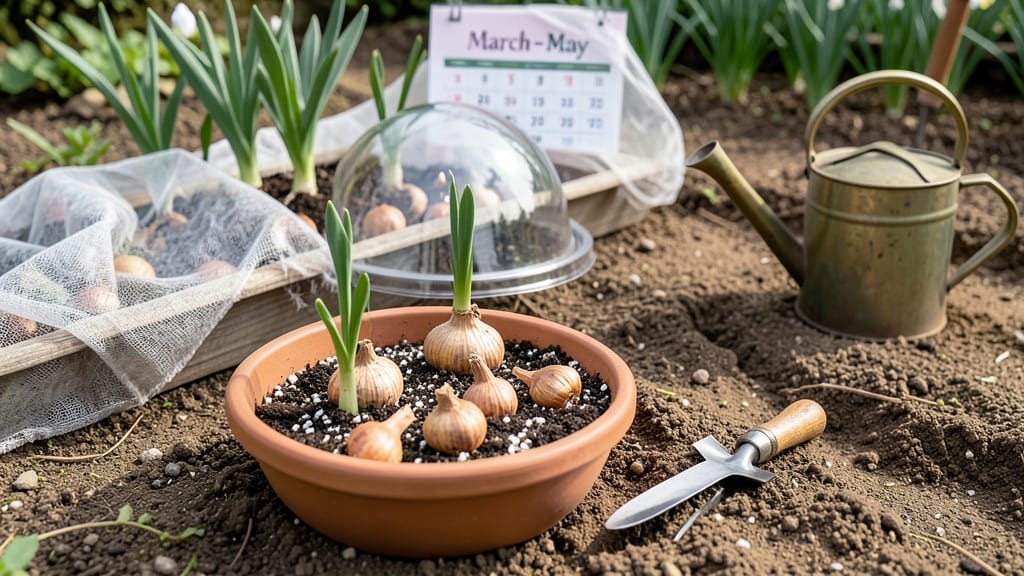
If you're dreaming of a garden bursting with fragrant 🌸 freesias next spring, timing your UK planting is the key to avoiding frost damage and wasted effort. Unlike many spring bulbs, freesias thrive when planted later—after the last frost risk has passed—so you can skip the autumn window entirely.
Here’s the secret: planting freesias in the UK between April and May ensures they establish roots before summer heat arrives, leading to vibrant blooms from late spring to early summer. This approach works perfectly for USDA zones 8-10, whether you're in London or Cornwall, where frost dates vary dramatically.
Whether you're growing from bulbs or seeds, the right timing makes all the difference. I’ll walk you through the exact steps to plant freesias for maximum impact—no more guessing games or lost blooms. Let’s get your garden ready for a show-stopping display.
Ready to transform your outdoor space? The best part? These fragrant beauties need minimal fuss once planted, so you’ll enjoy the rewards with almost no extra work. Let’s dive into the details.
UK freesia planting timeline: avoiding frost while maximizing bloom time
Freesias thrive in the UK when planted at the perfect time—late spring (April–May)—to avoid frost damage while ensuring vibrant summer blooms. Unlike many bulbs, freesias grow from corms (not true bulbs) and need warm soil to sprout.
Planting too early risks frost heave, while waiting too long shortens the flowering season.
The UK’s climate zones (USDA 8–10) mean timing varies slightly. In southern England, April is ideal, while Scotland and Wales may need to wait until mid-May to avoid late frosts. Always check your local last frost date—planting 2–3 weeks after ensures safety.
Soil temperature is critical: freesias need 10°C+ (50°F+) to sprout. Use a soil thermometer if unsure—cool, damp soil delays growth. In containers, warmth from pots helps, but in-ground planting requires patience for warmer spring soil.
Freesias planted in April–May typically bloom from June to August, giving you a longer display than autumn-planted bulbs. For earlier flowers, some gardeners start corms indoors in March, but this requires careful light and temperature control.
Regional adjustments matter: in Cornwall (USDA 9a), April planting is safe, but in Edinburgh (USDA 8a), wait until late May. Coastal areas with milder microclimates can plant 1–2 weeks earlier than inland spots.
🌸 UK Freesia Planting Timeline by Region
| Region | Ideal Planting Month | Last Frost Date | Bloom Time |
|---|---|---|---|
| Southern England (London) | April | Mid-March | June–July |
| Scotland (Edinburgh) | Late May | Late May | July–August |
| Cornwall (Mild Climate) | Early April | Early March | May–June |
| Wales (Cardiff) | Mid-April | Early April | June–July |
💡 Pro Tip: Use mulch after planting to protect corms from temperature fluctuations.
Freesias are tender corms, meaning they won’t survive UK winters in the ground. After blooming, let foliage die back naturally, then dig up corms in autumn (September–October) and store them in dry peat or sand until next spring. This annual cycle ensures healthy regrowth.
For container gardening, timing is even more critical. Plant in April–May and move pots to a sheltered spot if night temperatures drop below 5°C (41°F). Containers warm up faster, so earlier planting is possible—just monitor soil temps closely.
Missed the spring window? You can still plant freesias in late summer (August) for autumn blooms, but expect fewer flowers. The key is consistent warmth—freesias won’t tolerate frost at any stage of growth.
Always choose a sunny, sheltered spot for planting. Freesias need 6+ hours of sunlight daily to thrive, but avoid exposed areas where winds can damage delicate stems. Well-draining soil is a must—waterlogged roots lead to rot and lost corms.
🌱 Final Tip: Mark your calendar for 2–3 weeks after your local last frost date—this is your planting deadline for vibrant summer freesias!
UK freesia planting timeline: avoiding frost while maximizing bloom time
Freesias thrive in the UK when planted at the right time—typically between April and May for spring blooms. This timing ensures bulbs escape late frosts while giving flowers enough time to mature before summer heat. Unlike many bulbs, freesias aren’t frost-hardy, so early planting risks damage.
In southern England, where frosts linger until mid-March, aim for late April planting. Gardeners in Scotland and Wales should wait until May to avoid cold snaps. The key is planting when soil temperatures reach 10°C (50°F), signaling safe growth.
| Region | Ideal Planting Month | Soil Temp Requirement | Frost Risk |
|---|---|---|---|
| Southern England | Late April–May | 10°C (50°F) | Low after mid-March |
| Midlands | Early–Mid May | 10°C (50°F) | Moderate until late April |
| Scotland/Wales | May–Early June | 12°C (54°F) | High until May |
For container gardening, you can plant 2–3 weeks earlier than in-ground, as pots warm faster. Use well-draining compost mixed with perlite to prevent bulb rot—a common issue in UK’s damp climate. Mulch with gravel or straw after planting to insulate bulbs from temperature swings.
If you miss the spring window, freesias can also be planted in late summer (August) for autumn blooms, though this is less common. The trade-off? Flowers may arrive too late for peak vase life or outdoor displays.
Always opt for fresh bulbs each year, as freesias rarely rebloom reliably in UK conditions.
Monitor your local frost dates via the Met Office or BBC Weather app. In my garden, I’ve found that planting freesias after May 1st in colder regions still yields plenty of blooms—just expect slightly later flowering. The reward? Fragrant, long-lasting flowers that attract pollinators all summer.
Never plant freesias in waterlogged soil—they’ll rot before blooming. Amend heavy clay with sand or grit to improve drainage. With the right timing and care, your freesias will thrive in UK gardens, filling your space with sweet, citrusy fragrance from June to August. 🌸