
Plants
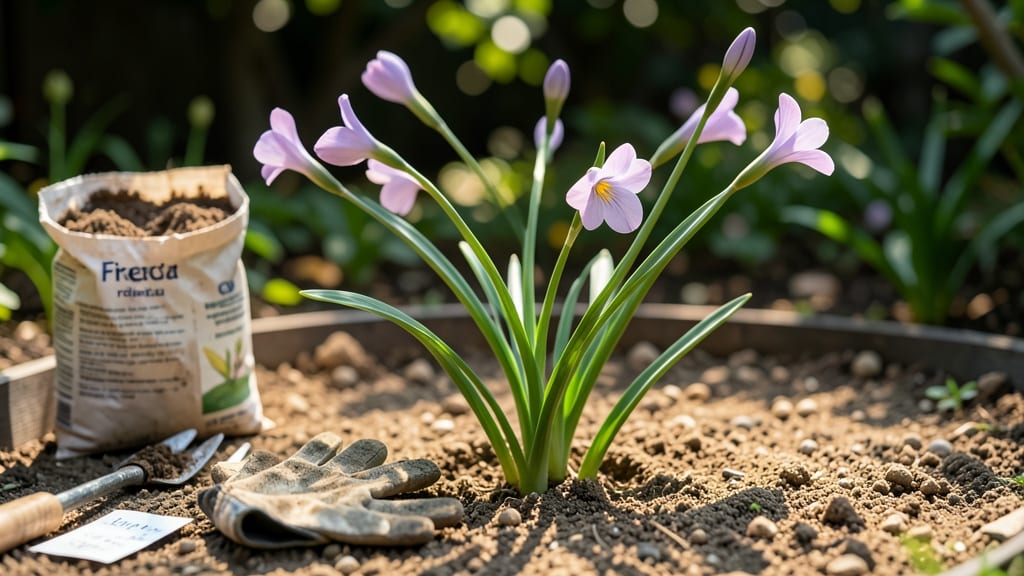
Timing your Freesia planting in Melbourne isn’t just about picking a month—it’s about dodging frost, heatwaves, and even UV damage to get those 🌸 blooms to shine.
With Melbourne’s 9b climate, planting too early risks frost, while waiting too long means summer’s scorching sun can stress your bulbs before they even sprout.
Here’s the secret: the August-September window is your sweet spot, but it’s not one-size-fits-all. Coastal areas might push it slightly earlier, while inland spots need to wait until after mid-August to avoid frost.
I’ll show you how to read Melbourne’s microclimates like a pro—so you can plant with confidence and enjoy October-November blooms that last.
You’ll also discover which Freesia varieties handle Melbourne’s heat best, how to prep your soil for zero stress, and why staggered planting is the game-changer for non-stop color. No more guessing—just a foolproof plan tailored to your backyard’s quirks.
Let’s cut to the chase: with these insights, you’ll turn Melbourne’s tricky climate into your Freesia’s best ally. Ready to plant with precision? Let’s get started.
Melbourne’s best planting months for freesias by microclimate zone
Melbourne’s climate varies wildly between its coastal, inner city, and rural areas—meaning your freesia planting window depends entirely on where you live. Coastal zones like St Kilda have milder winters, while the Dandenongs can still see frost until late August.
Even inner-city areas like Fitzroy experience microclimates that differ by just a few blocks.
Freesias need 8–12 weeks of frost-free growth to bloom, so timing is everything. Plant too early, and frost will kill your bulbs; too late, and summer heat will stress them before flowering.
The safest window for most Melburnians is late August to early September, but let’s break it down by zone to avoid surprises.
🌱 Pro Tip: Use a frost calendar (like the Bureau of Meteorology’s) to pinpoint your local last-frost date—this is your planting deadline. For example, Frankston averages its last frost on June 25, while Healesville can still frost until July 15.
🌿 Melbourne Freesia Planting Guide by Zone
| Zone | Last Frost Date | Ideal Planting Window | Soil Prep Tip |
|---|---|---|---|
| Coastal (e.g., St Kilda, Brighton) | June 15–25 | Late July–early August | Add sand to improve drainage (coastal soils can be clay-heavy) |
| Inner City (e.g., Fitzroy, Collingwood) | June 20–July 5 | Early–mid August | Mix in compost for nutrient boost (urban soils are often depleted) |
| Outer Suburbs (e.g., Sunbury, Craigieburn) | July 1–10 | Mid–late August | Test pH (aim for 6.0–6.5); amend with lime if needed |
| Dandenongs (e.g., Sassafras, Olinda) | July 15–25 | Late August–early September | Use mulch (5cm thick) to insulate bulbs from cold nights |
| Rural (e.g., Macedon, Gisborne) | July 5–15 | Early–mid September | Plant in raised beds to avoid waterlogging in winter |
🌡️ Note: Rural areas often have earlier last-frost dates but also hotter summers—plant later to avoid heat stress.
For coastal gardeners, you can even squeeze in a second planting in early October for late-summer blooms (though freesias may struggle with Melbourne’s December heat). The key is to plant when soil temps hit 10°C—use a soil thermometer if you’re unsure.
If you’re in Melbourne’s inner city, urban heat islands can delay frost, so monitor local weather apps like Weatherzone or BOM for real-time updates. A 5-day forecast predicting 5°C nights is your cue to plant.
💡 Soil Prep Secret: Freesias hate soggy soil. Amend your garden with perlite or coarse sand to prevent rot—especially critical in Melbourne’s winter rains. Aim for soil that drains within 30 minutes of watering.
Once planted, stake taller varieties (like ‘Red Flame’) to prevent wind damage—Melbourne’s westerly winds in spring can snap stems before blooming. Mulch with straw to retain moisture and suppress weeds, but avoid piling it against bulb necks.
Finally, stagger your planting by 2–3 weeks for a continuous bloom from October to December. For example, plant half your bulbs in late August and the rest in early September—this ensures you’re not overwhelmed with flowers all at once.
With this zone-specific approach, you’ll dodge frost, beat the heat, and enjoy vibrant freesia blooms that last well into Melbourne’s summer sunshine. 🌸
How to time Freesia planting for Melbourne’s frost-free blooms
Melbourne’s frost dates shift dramatically between zones, but freesias need 8–12 weeks of frost-free growth to bloom. To avoid late frosts or early heatwaves, time your planting so blooms appear between October and November—just before Melbourne’s summer heat peaks.
Start by checking your local frost history: inner-city areas (like Melbourne CBD) average their last frost by mid-June, while Dandenong Ranges can see frost until early August.
For zero frost risk, aim to plant freesias 4–6 weeks before your area’s last frost date. In most of Melbourne, this means late August to early September.
If you’re in a cooler microclimate (like the Yarra Valley), push planting to early September to ensure blooms emerge after frost season. Use Bureau of Meteorology frost maps or local gardening groups for precise dates tailored to your suburb.
⚠️ CRITICAL TIMING TIP: Freesias planted in July may bloom too early and risk late frosts in cooler zones, while October plantings often struggle with summer heat stress before flowering. Staggered planting—2 weeks apart—extends your bloom season from October to December, giving you continuous color.
- 📅 Late August – Plant in warmer microclimates (coastal, inner city) for October blooms.
- 📅 Early September – Ideal for most of Melbourne (avoids late frosts, ensures frost-free growth).
- 📅 Mid-September – Best for cooler zones (Dandenongs, Yarra Valley) to align with November blooms.
- ✂️ October–December – Cut blooms when first bud opens (before all blooms fully unfold).
- 🌡️ Post-December – Allow foliage to die back naturally; do not cut until leaves yellow.
Melbourne’s heatwave patterns also play a role. Freesias planted in September often handle summer heat better than those sown earlier, as they develop stronger root systems before temperatures rise.
If you’re in a hotter suburb (like Melbourne Airport), opt for afternoon shade and drip irrigation to prevent heat stress during flowering. Mulch with straw or pebbles to retain moisture and regulate soil temperature.
For extended blooming, try two planting batches: one in late August (for early October flowers) and another in early September (for November blooms). This strategy works especially well in partial-shade gardens, where freesias avoid midday sun but still get 6 hours of morning light.
Just remember: freesias are not perennial in Melbourne’s climate—they’ll naturalize over 2–3 years if left undisturbed, but bulbs may decline after that.
Pro tip: Use biodegradable pots for freesias in windy or sandy soils (common in Melbourne’s outer suburbs). Plant bulbs in pots in August, then transplant to the garden in September once soil warms.
This gives you flexibility to move plants if frost threatens or if your garden gets too hot in summer.