
Flowers
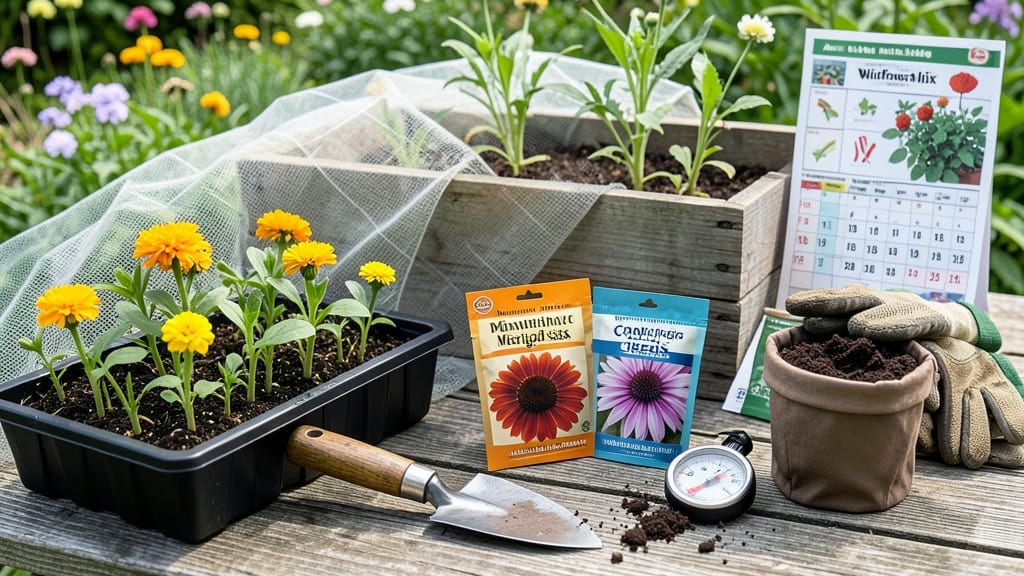
Planting your flower seeds 🌸 in Minnesota isn’t just about luck—it’s about beating frost, heat, and short growing seasons with precision. Timing your seeds correctly means the difference between a thriving garden and a wasted effort.
Plant too soon, and a late frost will wipe out your seedlings; too late, and you’ll miss summer blooms. The key? Knowing your zone’s last-frost dates and matching them to each flower’s hardiness.
Whether you’re in USDA Zone 3 (northern Minnesota) or Zone 5 (southern), the 6-8 week indoor-starting rule applies—but direct sowing after soil hits 50°F is just as critical.
I’ll break down the exact windows for your favorite flowers, from frost-resistant poppies to heat-loving zinnias, so you can plan like a pro.
This isn’t just theory—it’s a frost-free countdown tailored to Minnesota’s unpredictable weather. You’ll learn when to start seeds indoors, how to stretch your season with row covers, and which flowers thrive in early spring vs. late summer. No more guessing: just blooms on schedule.
Ready to turn your garden into a year-round showstopper? Let’s dive into the zone-by-zone planting calendar that’ll make your neighbors green with envy.
Minnesota flower planting timeline by hardiness Zone (USDA 3-5)
Minnesota’s USDA Zones 3-5 mean frost can strike anytime from late April to mid-June, depending on your location.
Northern zones (like Duluth in Zone 3) face later last-frost dates (May 20-30), while southern areas (like Rochester in Zone 5) see frost-free soil as early as April 25. This timing difference is why zone-specific planning is critical for flower seeds.
For annual flowers, the rule of thumb is to start seeds indoors 6-8 weeks before your average last frost date. In Zone 3, that’s March 15 for most varieties, while Zone 5 gardeners can begin late February.
Direct sowing should wait until soil temperatures hit 50°F+—usually mid-May in the north and late April in the south.
🌱 Minnesota Flower Planting Summary
| Zone | Last Frost Date | Indoor Start (Annuals) | Direct Sow After | Fall Planting Window |
|---|---|---|---|---|
| Zone 3 (North) | May 20-30 | March 15-April 1 | June 1-15 | Late July-August |
| Zone 4 (Central) | May 5-15 | March 1-April 15 | May 15-June 1 | Late July-August |
| Zone 5 (South) | April 25-May 5 | Late February-March 15 | April 25-May 15 | Early August-September |
Note: Fall planting works for cool-season flowers like pansies and snapdragons—sow 8-10 weeks before first frost.
Hardy perennial flowers like coneflowers and black-eyed Susans can handle Minnesota’s chill, so you can direct-sow them as soon as soil is workable (usually early May). Tender annuals, though, like marigolds and zinnias, need to wait until after May 15 in most zones to avoid frost damage.
Pro tip: Use a soil thermometer to confirm 50°F+ soil temps before direct sowing. Cold soil can delay germination by weeks, leaving your garden bare when blooms should arrive.
In Zone 3, I’ve seen cosmos seeds take 3 weeks to sprout in 45°F soil—versus 5 days in 55°F soil.
For late-season blooms, take advantage of Minnesota’s fall planting window (late July to early August). Sunflowers and nasturtiums thrive when sown in July—they’ll bloom into October before frost hits. Just avoid planting after August 15 in Zone 3, as seedlings won’t mature before winter.
Microclimates matter! Gardens near lakes or south-facing walls warm up 1-2 weeks earlier than open fields. I’ve successfully planted marigolds in Zone 4 by May 1 near my brick wall, while the same seeds 50 feet away froze overnight.
Use this to your advantage by choosing warmer microclimates for heat-loving flowers.
Track your local frost dates using the MN State Climatology Office or apps like Old Farmer’s Almanac. In 2023, Zone 4 Minneapolis saw a late-May frost that caught many gardeners off guard—highlighting why flexible planning is key. Always have row covers ready for late-spring seedlings.
Don’t forget succession planting! In Minnesota’s short season, sow fast-growing annuals like bachelor’s buttons every 2 weeks from May to July to ensure continuous blooms. This trick extends your cut-flower harvest from June to September—perfect for bouquets.
For container gardening, start seeds indoors 4-6 weeks earlier than outdoor deadlines
Best flower seeds to plant early vs. late in Minnesota’s short season
Minnesota’s short growing season demands smart timing—plant the wrong flowers at the wrong time, and you’ll miss months of color. Cold-hardy varieties like sweet peas and lupines thrive when sown early, while heat-lovers such as marigolds and sunflowers need warmer soil.
The key? Match your seeds to Minnesota’s 120–150 frost-free days.
For early spring blooms, start sweet peas and snapdragons indoors by March 1st—they handle light frosts and reward you with April–May flowers. Cosmos and zinnias, on the other hand, wait until May 15th (after last frost) to avoid leggy, weak seedlings. Succession planting is your secret weapon: sow fast-growing annuals like bachelor’s buttons every 2 weeks for nonstop blooms.
🌱 EARLY PLANTING WINNERS
- Sweet Peas (🌡️ 40–50°F soil)
- Lupines (🌱 Tolerates frost)
- Snapdragons (⏰ March–April indoors)
☀️ LATE-SEASON STARS
- Marigolds (🌡️ 60–70°F soil)
- Sunflowers (🌱 Direct sow May–June)
- Zinnias (⏰ June–July for fall blooms)
If you’re new to gardening, stick to no-fail annuals: marigolds (deter pests), nasturtiums (edible flowers), and black-eyed Susans (drought-tolerant). These heat-loving varieties forgive late starts, while delicate perennials like bee balm need early sowing (April) to establish roots before summer.
For fall blooms, don’t overlook late-summer sowing! Cosmos and zinnias sown in July will still flower before frost. Succession plant every 3 weeks to keep your garden vibrant until October’s first frost. Mums are another trick: buy potted plants in August for instant color.
Minnesota’s northern zones (USDA 3–4) have 20 fewer frost-free days than the south. Adjust timelines by 1–2 weeks later in Zone 3 (e.g., wait until May 20th for marigolds). Southern MN (Zone 5) can push late-summer sowing to August 1st for hardy varieties like pansies.
Remember: Soil temperature matters more than calendar dates. Use a soil thermometer—seeds need 50°F+ for germination. Cold frames or black plastic mulch can warm soil 5–10°F faster, letting you plant 2 weeks earlier in spring. Test your soil’s readiness before sowing!