
Vegetables
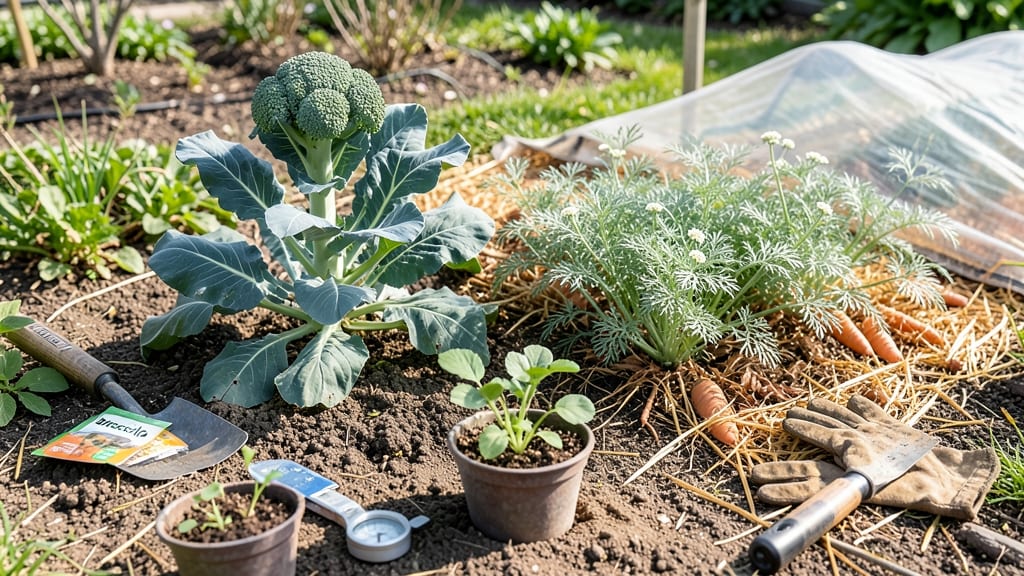
Timing your fall vegetables planting in Ohio isn't just about guessing—it's about beating frost while maximizing your harvest. With USDA Zone 6a-6b averages, you've got a narrow window between mid-August and mid-September to get seeds in the ground before the first frost hits around October 20.
But here's the catch: Ohio's microclimates mean your neighbor's perfect planting time might not work for you. Whether you're in the cooler Northwest or the slightly warmer Southeast, knowing your local frost dates is the difference between a bountiful harvest and wasted effort.
I'll show you exactly when to plant 🥬 your favorite fall crops—kale, spinach, carrots, and more—plus how to stretch your growing season with simple tricks. No more second-guessing whether your broccoli will mature before winter.
Ready to turn your Ohio garden into a fall feast? Let's dive into the microclimate-specific deadlines that'll keep your vegetables thriving right up until frost.
Ohio’s fall planting deadlines by microclimate zone (avoid frost risk)
Ohio’s fall frost dates vary drastically across its five major microclimates, making it critical to adjust your planting schedule. The average first frost in Ohio typically arrives between October 15 and October 25, but urban areas like Columbus may delay frost by 1-2 weeks.
For a successful harvest, plant cool-season crops 4-6 weeks before your local frost date.
Use Ohio State University Extension’s frost date maps as your guide—most regions fall into USDA Zones 5b-6b. Northern Ohio (e.g., Toledo, Cleveland) faces earlier frosts, while Southern Ohio (e.g., Cincinnati, Dayton) enjoys a longer growing window.
Always check for last frost warnings in early October, as they can shift deadlines by 10 days or more.
Here’s how to align your planting with Ohio’s microclimate-specific deadlines to avoid frost damage while maximizing yield:
| Zone | Last Safe Planting Date | Key Crops | Frost Risk |
|---|---|---|---|
| Northwest (Toledo, Lima) | August 25 - September 5 | Kale, Spinach, Carrots, Radishes | High (avg. Oct 15) |
| Northeast (Cleveland, Akron) | September 1 - September 10 | Broccoli, Brussels Sprouts, Lettuce | Moderate (avg. Oct 20) |
| Central (Columbus, Dayton) | September 5 - September 15 | Turnips, Beets, Arugula, Peas | Low (avg. Oct 25) |
| Southeast (Cincinnati, Lexington) | September 10 - September 20 | Collards, Swiss Chard, Green Onions | Very Low (avg. Nov 1) |
| Southwest (Chillicothe, Zanesville) | September 15 - September 25 | Cabbage, Cauliflower, Radicchio | Low (avg. Oct 22) |
For fast-maturing crops like radishes or lettuce, you can push planting dates by 1-2 weeks, but slow growers (e.g., Brussels sprouts, cabbage) need the full window. Soil temperature is just as critical as air temperature—wait until soil cools to 50-60°F for optimal germination.
Pro tip: Test your soil in late August using a soil thermometer. If temps are still above 70°F, delay planting until they drop. Urban gardens in cities like Columbus may stay warmer, but avoid planting after September 20 unless you’re using row covers or a cold frame.
Ohio’s microclimates also create "heat islands" in cities, where sidewalks and buildings trap warmth. If you’re in an urban area, your last frost date might be 3-5 days later than rural zones. Use the NOAA Climate Normals tool to refine your local deadline.
One common mistake is planting leafy greens too late—they bolt (go to seed) quickly in cool weather. For maximum yield, stagger plantings of spinach and kale every 10-14 days from mid-August through mid-September. This ensures a continuous harvest before frost.
Always check the Ohio State Extension’s Planting Calendar for real-time updates, as La Niña or El Niño years can shift frost dates by up to 10 days. For example, in 2022’s early frost, many gardeners in Northwest Ohio lost crops planted after September 1.
Start with fast growers like radishes and arugula in early August, then transition to hardier crops (kale, carrots) by mid-September. This layered approach minimizes risk and maximizes your fall harvest potential.
🌱
Best fall vegetables for Ohio gardens (ranked by hardiness and yield)
Ohio’s short fall growing season demands frost-tolerant vegetables that mature quickly. My top picks balance hardiness, growth speed, and soil adaptability—critical for Ohio’s variable climate.
Leafy greens like kale and spinach lead the pack, while root crops such as carrots and beets offer reliable yields even as temperatures dip.
For early fall (planting in July), prioritize fast-maturing varieties like radishes (30 days) or bush beans (50 days). These thrive in warmer soil but still produce before frost.
Later plantings (August-September) should focus on cold-hardy crops such as Brussels sprouts (90 days) or turnips (60 days), which sweeten after light frost.
Soil temperature matters—cooler soil (below 60°F) slows germination, so use row covers or warm the soil with black plastic if planting late. My go-to soil prep tip: Mix in compost to improve drainage, as Ohio’s clay-heavy soils can trap moisture and invite rot.
🌱 Top 10 Fall Vegetables for Ohio
❄️ 10°F
❄️ 20°F
❄️ 15°F
❄️ 20°F
❄️ 10°F
❄️ 15°F
❄️ 25°F