
Plants
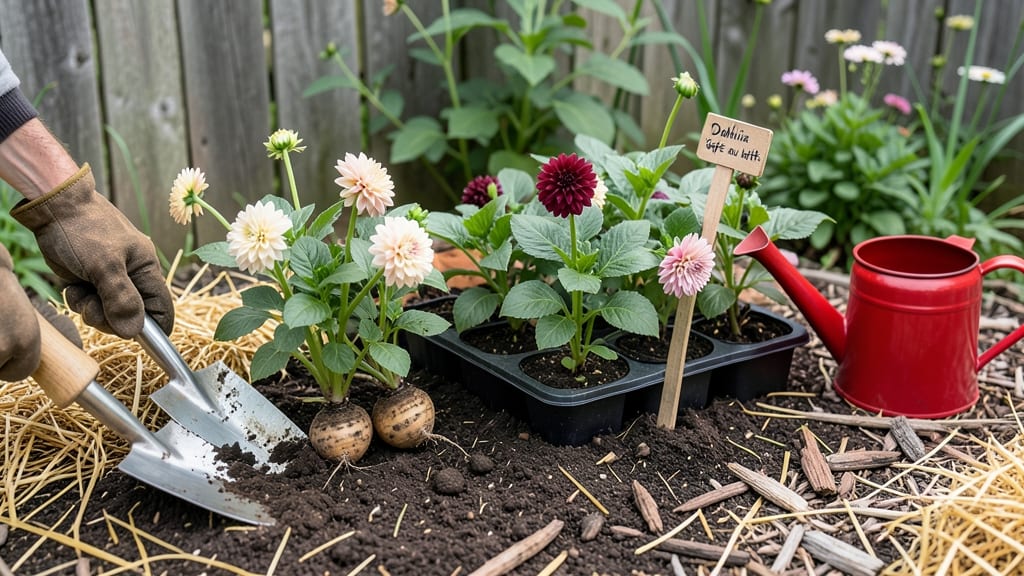
Timing when to plant dahlias in Oklahoma could mean the difference between a showstopping summer garden and a sad, frost-nipped disappointment. With Oklahoma's unpredictable spring weather, knowing when to plant these stunning 🌸 flowers is more than just a suggestion—it's essential for success in zones 6a-7b.
Most gardeners wait until after the last frost date—typically late April to early May—but that's just the starting point. The real secret lies in soil temperature and local microclimates that can shift your planting window by weeks.
I'll show you exactly when to get those tubers in the ground for maximum blooms and how to avoid common mistakes that even experienced gardeners make.
Whether you're starting seeds indoors or planting tubers directly, understanding your specific zone's frost-free deadlines and soil readiness will give your dahlias the best possible start. Let's dive into the perfect planting schedule for Oklahoma's unique growing conditions, so you can enjoy those vibrant blooms from late summer through fall.
From soil prep to early care tips, I'll walk you through everything you need to know to make this your most successful dahlia season yet. With the right timing, your garden could be bursting with color when other plants are just getting started.
Oklahoma dahlia planting timeline by hardiness Zone (7a-7b)
Oklahoma’s USDA Zones 7a-7b create a 60-day window for dahlia planting, but timing varies by microclimate. Northern regions like Enid (Zone 7a) face later last-frost dates (April 25 average), while southern areas like Oklahoma City (Zone 7b) can plant by April 15.
Always check your local frost-free date—late frosts in May can still damage tender tubers.
Dahlias thrive when soil temperatures hit 60°F+, typically aligning with late April to early May across most of Oklahoma. For early blooms, start tubers indoors 4-6 weeks before your last frost date. Use grow lights to simulate long daylight hours and prevent leggy growth.
⚠️ CRITICAL: Planting too early (before April 1) risks frost damage to emerging shoots. Too late (after May 15) delays blooms until late summer, missing peak July-August displays. Use Oklahoma Mesonet tools to track real-time soil temps.
| Zone & Location | Last Frost Date (Avg) | Ideal Planting Window | Soil Temp Threshold | Backup Date (Late Frost) |
|---|---|---|---|---|
| Zone 7a (Enid, Tulsa) | April 25 | May 1–15 | 60°F+ | May 20 |
| Zone 7b (Oklahoma City, Lawton) | April 15 | April 25–May 10 | 60°F+ | May 10 |
| Southern OK (Zone 8, e.g., Ardmore) | March 20 | March 30–April 15 | 55°F+ | April 20 |
🌱 Pro Tip: Use black plastic mulch to warm soil 5–10°F faster in cooler zones.
For container gardening, extend your window by 2 weeks earlier—pots warm up faster than soil. Choose dwarf varieties like ‘Café au Lait’ (18" tall) to fit patio spaces and avoid staking. In Zone 7a, prioritize late-season bloomers like ‘Karma Choc’ for extended color.
If you miss the outdoor window, transplant potted dahlias in June for late-summer blooms. Use self-watering containers to prevent stress during Oklahoma’s 90°F+ heat waves. Water deeply every 2–3 days to encourage root establishment.
Track your local Oklahoma Mesonet station for real-time soil temperature updates. Aim for consistent 60°F+ for 2+ weeks before planting—cold soil slows tuber sprouting and increases rot risks. In dry years, mulch with straw to retain moisture and regulate temps.
✅ Ready to Plant? Test soil with a thermometer at 6-inch depth. If temps fluctuate below 55°F, delay planting or use row covers for 2–3 weeks to protect young shoots. Oklahoma’s unpredictable spring demands flexibility!
For early blooms, pair indoor starts with cold-frame protection outdoors. Place a clear plastic dome over tubers until sprouts emerge (usually 7–10 days). This extends your season by 3–4 weeks, giving you July 4th-worthy dahlias!
Signs your Oklahoma soil is ready for dahlias (beyond the calendar)
Oklahoma’s spring weather can be as unpredictable as a tornado warning—one day warm, the next freezing. Relying solely on the calendar risks planting your dahlia tubers too early, only to have frost damage them. Instead, watch for these soil readiness cues to ensure your dahlias thrive from day one.
First, check your soil temperature using a soil thermometer. Dahlias need soil that’s warmed to at least 60°F (15°C) at a depth of 6 inches.
In Oklahoma, this typically happens by mid-to-late April in most zones, but cooler areas like the Arkansas River Valley may need to wait until early May.
Next, assess moisture levels by digging a small hole about 6 inches deep. The soil should feel damp but not soggy. If it’s dry, water deeply and wait a few days before planting. Overly wet soil can lead to rotten tubers, a common mistake in Oklahoma’s humid springs.
Look for signs of emerging weeds, which indicate the soil is warming. Weeds like chickweed or crabgrass often pop up when temperatures rise, signaling it’s time to plant. Another trick? Observe nearby perennial flowers like daylilies—they’ll start pushing new growth when conditions are ideal.
⚠️ Warning: False Springs Are Dangerous
Oklahoma’s false springs can fool you into planting too early. If nighttime temperatures dip below 50°F (10°C), cover tubers with frost cloth or wait. A single frost can kill tender dahlia shoots overnight.
🌡️ Pro Tip: Use a minimum-maximum thermometer to track nighttime lows.
Finally, test your soil’s drainage by filling a jar with water and burying it near your planting spot. After 24 hours, if water remains at the bottom, amend the soil with compost or sand to improve drainage. Poor drainage is a silent killer of dahlia tubers in Oklahoma’s clay-heavy soils.
Once your soil passes these tests, your dahlias will reward you with bold blooms from summer through fall. For extra peace of mind, start a few tubers indoors in March—they’ll be ready to transplant when outdoor conditions align.
With these cues, you’ll avoid the heartbreak of frost-nipped dahlias and enjoy a garden bursting with color. Happy planting! 🌸