
Plants
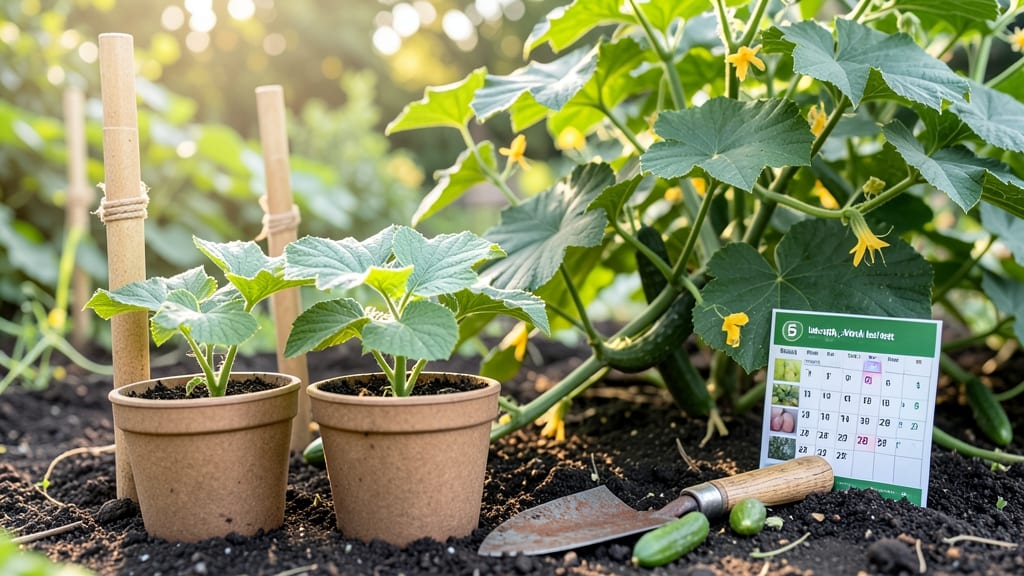
Timing your cucumber planting in Zone 5 can mean the difference between a bountiful harvest and wasted effort—get it wrong, and frost or heat stress will ruin your plants before they even take root.
If you're eager to grow crisp, homegrown 🥒 cucumbers this summer, knowing the perfect window is key. Zone 5 gardeners face unique challenges with unpredictable spring frosts and shorter growing seasons, but with the right approach, you can maximize your yield.
The secret lies in waiting for the soil to warm up and all danger of frost to pass—typically between late April and early June.
I'll walk you through exactly when to plant, how to prepare your soil, and even share tricks for extending your growing season with row covers or cold frames.
By the end, you'll know not just when to plant cucumbers in Zone 5, but how to give them the best possible start for a thriving harvest.
Whether you're a first-time gardener or a seasoned pro, these insights will help you avoid common mistakes and set your cucumbers up for success from day one. Let's get those vines growing strong!
Optimal planting dates for cucumbers in Zone 5 based on soil temperature
In Zone 5, timing your cucumber planting is critical—these heat-loving plants thrive only when soil temperatures stay above 60°F consistently. The last frost date (typically mid-April to early May) signals the start of your window, but don’t rush!
Planting too early risks stunted growth or frost damage. For most of Zone 5, aim for late May to early June for direct sowing.
If you’re transplanting seedlings, start them indoors 4-6 weeks before your last frost date. This gives them a head start, but harden them off carefully before moving them outdoors.
In cities like Chicago or Pittsburgh, where springs can be unpredictable, err on the side of caution—wait until soil temperatures are reliably warm.
Here’s the key: Soil temperature matters more than air temperature. Use a soil thermometer to confirm readings of 60°F+ at a depth of 2 inches. If your soil is cooler, delay planting or use black plastic mulch to warm it faster.
This simple trick can shave 1-2 weeks off your growing season.
| Stage | Action | Notes |
|---|---|---|
| Soil Temperature Check | Test soil at 2" depth | Must reach 60°F+ for 5+ days |
| Last Frost Date | Wait 2-3 weeks after | Zone 5: Mid-April to early May |
| Direct Sowing Window | Late May to early June | Best for bush varieties |
| Transplanting Window | Early June | Seedlings need 4-6 weeks indoors |
| Succession Planting | Every 2 weeks until July | Extends harvest until fall frost |
For direct-sown cucumbers, plant seeds 1 inch deep and 12-24 inches apart, depending on the variety. Bush types like 'Bush Champion' can handle closer spacing, while vining varieties like 'Straight Eight' need more room to sprawl.
If you’re in a cooler microclimate within Zone 5, opt for compact varieties to maximize yield.
Pro tip: Warm your soil faster by covering beds with black plastic mulch 1-2 weeks before planting. This raises soil temperatures by 5-10°F, helping cucumbers establish roots quickly. Pair this with a row cover for early protection if nights are still chilly.
In Zone 5, your cucumber season is short—typically June to September. To squeeze every drop of productivity, consider succession planting: Sow seeds every 2 weeks until early July.
This staggered approach ensures a steady supply of fresh cucumbers and minimizes the risk of bolting (when plants flower too quickly due to heat stress).
One common mistake is assuming air temperature is the same as soil temperature. A sunny 70°F day might hide 50°F soil, which will shock seedlings.
Always check with a thermometer. If your soil is slow to warm, try planting near south-facing walls or under greenhouse plastic to create a microclimate.
For late-season harvests, select varieties with shorter days to maturity, like 'Diva' or 'Sweet Success'. These can produce fruit even as days grow shorter in August and September. Just be prepared to harvest before the first frost—typically mid-October in Zone 5.
Remember: Patience pays off in Zone 5. Rushing cucumbers into cold soil is a surefire way to disappoint. Wait for the perfect moment, and you’ll reward yourself with crisp, homegrown cucumbers all summer long. 🌱
Optimal planting dates for cucumbers in Zone 5 based on soil temperature
Cucumbers thrive in warmth but struggle with Zone 5’s unpredictable spring frosts. Planting too early risks seedling death, while waiting too long shortens the harvest window. The key is timing seeds or transplants for when soil temperatures hit at least 60°F—a threshold cucumbers won’t tolerate.
In cities like Chicago or Pittsburgh, this typically falls between late April and early June, but your exact date depends on microclimates and last-frost averages.
For direct-sown seeds, wait until two weeks after your average last frost date (usually mid-May in Zone 5). Seeds need consistent warmth to germinate—cold, damp soil will leave them rotting in the ground.
If you’re using transplants, start them indoors 4-6 weeks before your target outdoor date, then harden them off before moving outside after Memorial Day weekend.
Soil temperature matters more than air temperature. Use a soil thermometer to confirm readiness—cucumbers won’t grow well below 60°F. In cooler Zone 5 springs, consider black plastic mulch to raise soil temps by 5-10°F faster. This trick lets you plant 2-3 weeks earlier than usual, extending your harvest window.
Zone 5 Cucumber Planting Timeline
| Stage | Action | Key Notes |
|---|---|---|
| Soil Prep | Test soil pH (6.0-6.8) | Add compost for fertility |
| Seed Starting (Indoors) | 4-6 weeks before last frost | Use heat mat for faster germination |
| Direct Sowing | 2 weeks after last frost | Soil temp ≥60°F, night temps ≥50°F |
| Transplanting | After Memorial Day | Hardened-off seedlings only |
| Harvest Window | June–September | Pick every 2-3 days for best yield |
If you’re in a cooler microclimate within Zone 5, push planting to late May or early June to avoid late frosts. For example, Pittsburgh’s last frost often hits May 15, while Chicago’s can linger until May 20.
Check your local Almanac or use a frost calendar to refine your timing. Succession planting every 2 weeks after the initial date ensures a steady harvest until frost.
For heat-tolerant varieties like ‘Straight Eight’ or ‘Lemon Cucumber’, you can also try a late summer planting in August. These varieties handle warmer soil better and may produce into early October if protected from early frosts.
Just be prepared to harvest quickly—cucumbers won’t mature if frost hits before they’re ready.
Remember: Zone 5’s short growing season (about 165 frost-free days) demands precision. Planting at the right soil temperature and using season-extending tools like row covers can add 2-4 extra weeks to your harvest.
Start with these timelines, then adjust based on your local microclimate and weather patterns—your cucumbers will thank you with bigger, healthier fruit! 🌱