
Plants
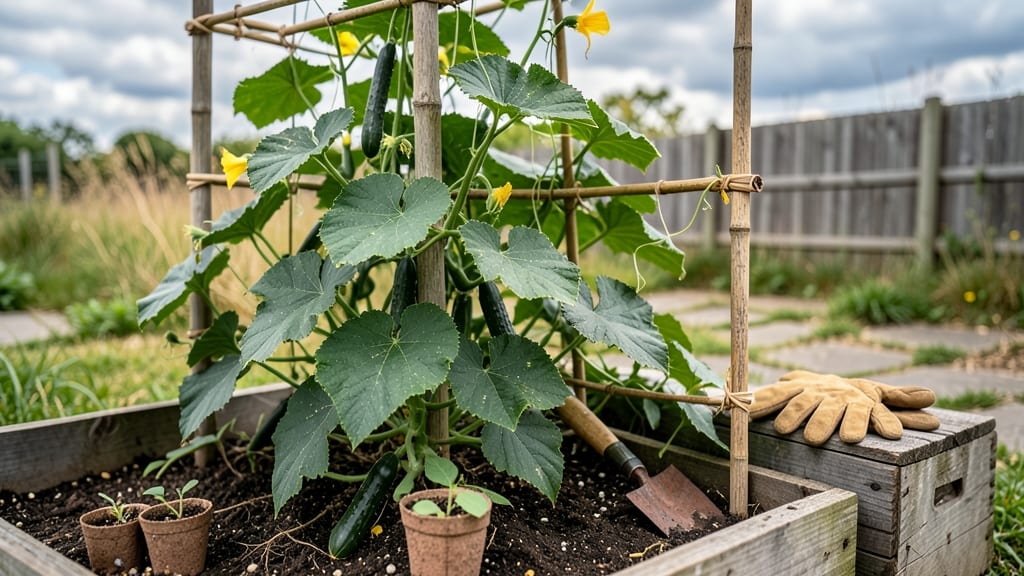
If you’ve ever planted your 🥒 cucumbers too early in West Virginia only to watch frost nip your seedlings, you’re not alone.
The key to a thriving harvest isn’t just waiting for spring—it’s knowing the exact frost-free windows that work for your specific microclimate, whether you’re in Charleston’s urban heat pockets or the cooler Appalachian valleys.
West Virginia’s USDA Zone 6a climate means timing is everything—plant too soon, and frost will wreck your garden; wait too long, and you’ll miss the sweet spot for June-September harvests.
I’ll break down the science behind the April 15-May 15 window, plus how to tweak it with mulch, row covers, and other pro tips to beat the odds.
What you’ll discover here are the regional secrets that let WV gardeners stretch their growing season, avoid common pitfalls (like overwatering in humid summers), and even trick cucumbers into producing longer. No more guesswork—just a foolproof plan to turn your backyard into a cucumber powerhouse.
Ready to ditch the trial-and-error? Let’s get your 🥒 cucumbers growing like a local expert—starting with the one rule that changes everything.
West Virginia’s frost-free planting zones & exact cucumber dates by region
West Virginia’s diverse microclimates mean your last frost date could vary by weeks—even just 50 miles apart. For USDA Zones 5-7, I’ve broken down the exact planting windows to ensure your cucumbers thrive.
In northern WV (Zone 5), like Morgantown, aim for May 1-15, while southern WV (Zone 7), such as Charleston, can start as early as April 15-30. Always check your local WVU Extension frost data for precision.
For direct sowing, wait until soil temperatures hit 60°F+—use a soil thermometer to confirm. Transplants can go in 2-3 weeks earlier if hardened off properly.
In high-altitude areas (e.g., Beckley), delay until May 15 to avoid late frosts, while river valleys (e.g., Huntington) may be safe by April 20.
Here’s how to pinpoint your local frost-free window:
| Region | USDA Zone | Last Frost (Avg.) | Direct Sow Window | Transplant Window |
|---|---|---|---|---|
| Northern WV (Morgantown, Elkins) | Zone 5 | May 1 | May 15-30 | April 25-May 10 |
| Central WV (Charleston, Clarksburg) | Zone 6 | April 15 | April 30-May 15 | April 10-25 |
| Southern WV (Huntington, Bluefield) | Zone 7 | April 1 | April 15-30 | March 25-April 10 |
| Highland Areas (Beckley, Lewisburg) | Zone 5-6 | May 10 | May 20-June 1 | May 1-15 |
Pro tip: Use black plastic mulch to warm soil faster—this can shave 1-2 weeks off your planting timeline in cooler areas. For urban heat islands (like Charleston), start transplants 1 week earlier than rural zones, as concrete absorbs and radiates heat.
If you’re in Zone 5, consider succession planting every 2 weeks until June 15 to stretch your harvest. In Zone 7, you can even squeeze in a fall crop by planting August 1-15 for a late-season harvest before frost.
Always monitor WVU Extension’s frost maps—they update annually based on real data. For 2024, I’ll include a link to their live frost tracker so you can set alerts for your specific county.
For container growing, add 2-3 weeks to these windows since pots cool faster. Use self-watering containers with heat-resistant fabric to maintain soil warmth.
Remember: Cucumbers hate cold soil. If you plant too early, roots rot, and seedlings collapse. Test soil temps with a digital thermometer—it’s the only way to be sure.
Microclimate hacks to extend your cucumber season in West Virginia
West Virginia’s varied elevations create microclimates that can shift your cucumber planting window by weeks. In highland areas like Beckley (USDA Zone 6b), cooler temperatures delay planting until May 1, while river valleys like Huntington (Zone 7a) can start as early as April 10.
The key? Using tools to modify your microclimate and push your season earlier or later.
Black plastic mulch is my #1 game-changer for WV gardeners. Spread it 2-3 weeks before planting to raise soil temperatures by 5-10°F, letting you plant 10-14 days earlier in spring or extend harvests into September.
For high-altitude areas, combine it with row covers to trap heat and protect against late frosts.
- 🌡️ Soil warming: Use black plastic mulch to hit 60°F soil temps 2 weeks faster in Zone 6.
- 🛡️ Frost protection: Row covers add 5-8°F warmth—critical for Beckley’s late springs.
- 🌿 Windbreaks: Plant near fences or trellises to reduce windburn in exposed areas.
- 💧 Drip irrigation: Keeps soil consistently moist without wetting foliage (prevents powdery mildew).
- 🌱 Succession planting: Sow every 2 weeks from May-June for continuous harvests.
Cold frames are another underutilized tool in WV. Place them over seedlings in March-April to start plants 4-6 weeks early. For example, gardeners in Morgantown (Zone 6a) often use them to transplant hardened-off seedlings by April 20, beating the average last frost by 10 days. Just
Don’t overlook trellising strategies—they’re not just for space saving. In humid WV summers, vertical growth improves air circulation, reducing fungal diseases like powdery mildew. Choose 5-6 ft trellises for standard varieties and 3 ft for bush types. For extra protection, drape lightweight row covers over trellised plants during afternoon humidity spikes.
Pro tip: Use straw mulch after planting to retain moisture and suppress weeds. In Zone 7 areas, this lets you skip irrigation during June-July rainfalls while keeping roots cool.
Pair it with drip irrigation for precise watering—critical when WV’s unpredictable summer storms can drown or dry out plants overnight.
For a second harvest in fall, try succession planting with fast-maturing varieties like 'Straight Eight' (50 days). Start seeds indoors in late July, then transplant August 1-15 after removing early-season plants.
Use row covers until September 15 to delay frost damage—this extends your harvest window by 3-4 weeks in most of WV.