
Plants
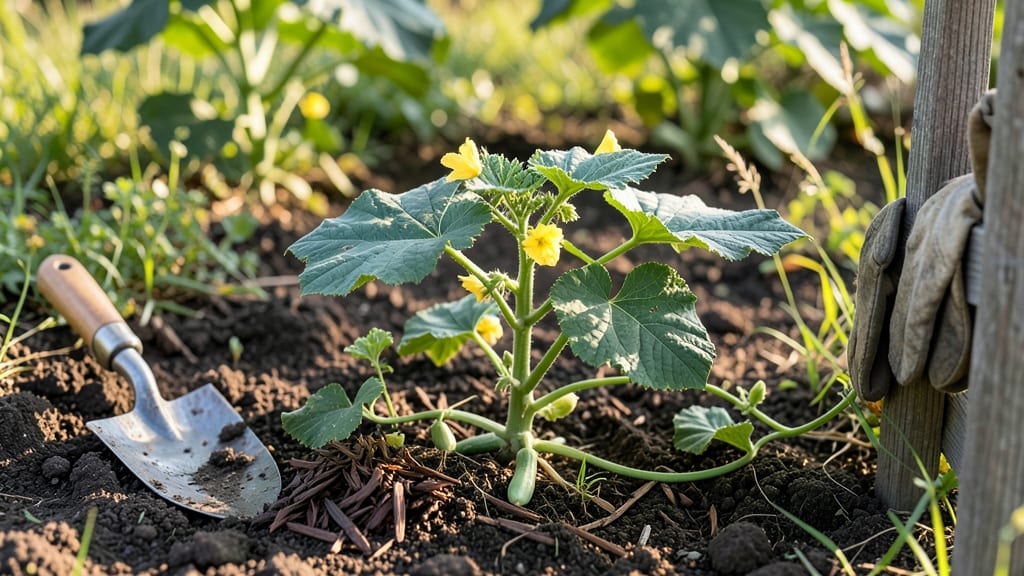
Timing your cucumber 🥒 planting in South Carolina can make or break your harvest—especially when summer heat arrives faster than expected. With USDA zones 7b-8a, you’ve got a narrow window between frost-free soil and scorching afternoons that can turn tender seedlings into crispy snacks.
Most gardeners rush to plant after the last frost (mid-April to early June), but that’s just half the battle. The real secret? Waiting until soil hits 60°F and choosing heat-tolerant varieties that won’t bolt in 90°F+ temps.
I’ll show you exactly when to start seeds indoors or direct-sow for both spring and fall crops—plus how to stretch your harvest through late October.
Skip the guesswork with my zone-specific heat tolerance chart, which maps out the best planting dates by month. Whether you’re a first-time gardener or a veteran grower, these tips will help you avoid common mistakes like planting too early (hello, frost damage) or too late (missed harvests).
Let’s get those cucumbers growing the right way!
Ready to beat the heat and grow cucumbers like a pro? You’ll learn how to time your plantings for maximum yield, pick the best varieties for South Carolina’s climate, and keep your vines thriving—even when the mercury climbs. No more wasted seeds or wilted dreams!
South Carolina planting zones & ideal cucumber planting dates by month
South Carolina’s USDA zones 7b-8a create a unique challenge for cucumbers—too early, and frost zaps tender seedlings; too late, and summer’s brutal heat stunts growth. The key lies in soil temperature, not just air temperature.
Cucumbers thrive when soil reaches 60°F+, which typically happens 2-4 weeks after the last frost date (usually mid-April to early May).
For most of South Carolina, the optimal planting window spans from mid-April through early June for spring harvests.
However, this varies by region: Upstate (Zone 7b) areas like Greenville can plant 1-2 weeks earlier, while Coastal (Zone 8a) spots like Charleston may wait until late April due to slower soil warming.
Don’t overlook fall planting! Cucumbers love warm soil, so a late July to early August window works for a second harvest in September-October. This strategy extends your growing season and avoids the peak summer heat stress that can reduce yields.
Here’s how to align your planting with South Carolina’s climate quirks:
| Month | Zone 7b (Upstate) | Zone 8a (Coastal) | Soil Temp | Notes |
|---|---|---|---|---|
| April | Mid-April (start indoors) | Late April (direct sow) | 55–65°F | Use row covers for early starts |
| May | Early May (transplant) | Early May (direct sow) | 65–75°F | Ideal for spring harvests |
| June | Early June (succession plant) | Early June (succession plant) | 75–85°F | Provide afternoon shade |
| July | Late July (fall prep) | Late July (fall prep) | 80–90°F | Best for heat-tolerant varieties |
| August | Early August (direct sow) | Early August (direct sow) | 75–85°F | Fall harvest window opens |
For direct sowing, aim for 2-3 weeks after the last frost date when nighttime temperatures consistently stay above 55°F. If you’re transplanting seedlings, wait until soil is 60°F+—a soil thermometer is your best friend here.
Pro tip: Use black plastic mulch to warm soil faster and retain moisture, especially in Upstate areas where soil stays cooler longer. In Coastal zones, focus on shade cloth during peak afternoon heat to prevent sunscald on young plants.
Succession planting every 2 weeks through June ensures a steady harvest. For fall crops, start seeds indoors in late June and transplant outdoors by early August.
Remember: Cucumbers are heat-loving annuals, but they’ll bolt (flower prematurely) if stressed by temperatures above 95°F. Plan your planting schedule to avoid this—late July starts often yield better fall harvests than early summer plantings.
🌱
South Carolina planting zones & ideal cucumber planting dates by month
South Carolina’s USDA Zones 7b-8a create a unique growing window for cucumbers, where timing is everything. The state’s last frost typically occurs between mid-March and early April, but cucumbers need soil temperatures above 60°F to thrive.
This means waiting until mid-April to early June for spring plantings, with a second chance in late July for fall harvests.
Cucumbers are heat-loving annuals that perform best when daytime temperatures stay between 70-90°F. Planting too early risks cold-sensitive seedlings, while waiting too long may lead to bolting or poor fruit set as summer heat intensifies. Understanding these microclimate variations is key to success, especially in SC’s humid climate.
📅 Key Planting Windows:
- Spring: Mid-April to early June (after last frost)
- Fall: Late July (for late-summer harvests)
- Soil Temp Threshold: 60°F minimum for germination
| Month | Direct Sow | Transplant | Soil Temp (°F) | Notes |
|---|---|---|---|---|
| April | Mid-April | Late April | 60-65°F | Use black plastic mulch to warm soil |
| May | Early-Mid May | Early May | 65-75°F | Best month for spring plantings |
| June | Early June | N/A | 75-85°F | Succession plant every 2 weeks |
| July | Late July | Late July | 70-80°F | Fall harvest window |
For spring plantings, focus on mid-April to early May when soil temperatures consistently stay above 60°F. Use row covers if nights remain chilly to protect young seedlings.
In late July, you can plant a second crop for a fall harvest before the first frost hits in mid-November.
South Carolina’s humidity levels (often exceeding 70%+) can create challenges like powdery mildew or bacterial wilt. To combat this, choose disease-resistant varieties and ensure proper airflow between plants. Morning watering is crucial to prevent fungal issues that thrive in damp conditions.
Urban gardeners in Charleston or Greenville may experience microclimates that are 5-10°F warmer than rural areas, allowing for slightly earlier plantings. Always check local frost dates and monitor soil temperature with a thermometer to avoid common mistakes like planting too soon or too late.