
Plants
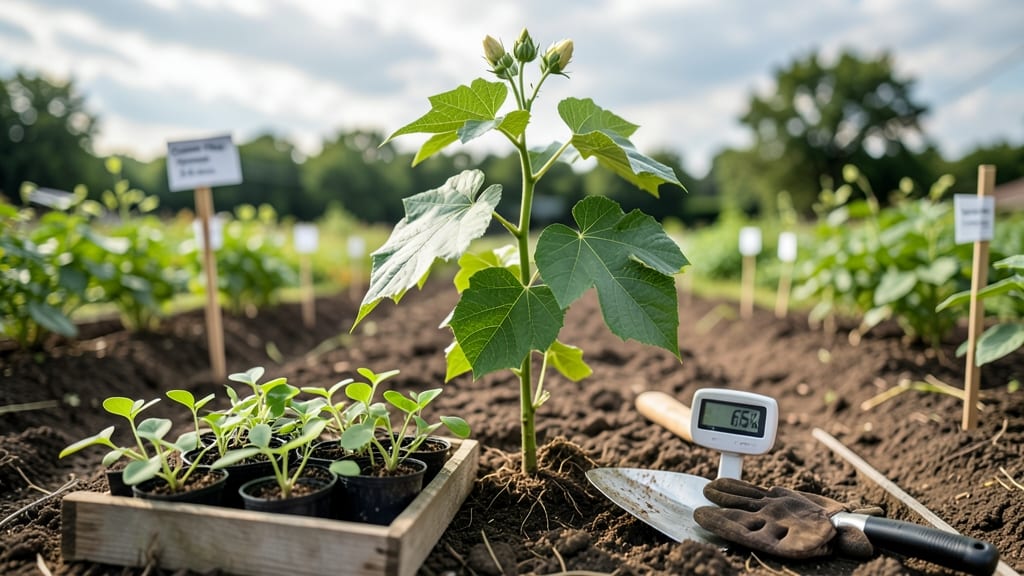
Timing your cotton planting in North Carolina isn't just about avoiding frost—it's about dodging "bolt risk", where plants flower too early and ruin your harvest. With USDA zones 6a-8b offering diverse microclimates, getting the window right means the difference between a bountiful crop and wasted effort.
Most gardeners in the Tar Heel State wait until April or May after the last frost, but that’s not a one-size-fits-all rule. Coastal regions can start earlier, while the Piedmont may need to hold off until soil hits 60°F consistently.
I’ll break down the exact heat-zone map so you can plant with confidence—and skip the guesswork.
Whether you’re a first-time grower or a seasoned farmer, knowing when to plant cotton in NC isn’t just about the calendar. It’s about reading your local climate, preparing your soil, and avoiding common pitfalls like premature flowering.
Let’s dive into the step-by-step schedule that keeps your cotton thriving from seed to harvest.
From Piedmont to the Coastal Plain, I’ll cover everything—soil temps, regional tweaks, and even how to adjust if Mother Nature throws you a curveball. Ready to grow cotton the smart way? Let’s get started.
North Carolina cotton planting zones by heat map (avoid bolt risk)
North Carolina’s diverse climate—from the cool Mountains to the humid Coastal Plain—creates unique planting windows for cotton. The key to success? Avoiding bolt risk, where cotton plants flower prematurely due to cold soil or erratic temperatures.
This heat-zone guide maps out the ideal planting windows for each NC region, ensuring your crop matures without wasting energy on early blooms.
Cotton thrives in USDA zones 6a–8b, but the real game-changer is soil temperature. Seeds won’t germinate well below 50°F, and young plants bolt if exposed to consistent 60°F+ days too early.
Below, we break down the three critical NC regions—Mountains, Piedmont, and Coastal Plain—with their frost dates and heat maps to pinpoint your perfect planting window.
| Region | USDA Zone | Last Frost Date | Ideal Planting Window | Soil Temp Threshold |
|---|---|---|---|---|
| Mountains | 6a–7a | Late May | May 15–June 15 | 60°F+ (consistent) |
| Piedmont | 7a–7b | Mid-April | April 15–May 15 | 55°F+ (minimum) |
| Coastal Plain | 8a–8b | Early April | April 1–April 30 | 50°F+ (soil) |
🌡️ Heat-Zone Tip: Use a soil thermometer to confirm temps before planting—cold soil delays germination and increases bolt risk.
If you’re in the Coastal Plain, you can plant as early as April 1, thanks to warmer soil and later frosts. Meanwhile, Mountain growers should wait until mid-May to avoid frost damage.
The Piedmont region offers the widest window (April 15–May 15), making it ideal for beginners. Pro tip: Monitor 7-day forecasts—if nighttime temps dip below 50°F after planting, cover seedlings with row fabric to prevent stunting.
Bolt risk spikes when cotton senses consistent warm days but cool nights. For example, planting in late March in the Piedmont might trigger bolting if April brings 60°F+ days followed by 40°F nights.
To mitigate this, use black plastic mulch to warm soil faster or opt for shade cloth if daytime temps exceed 85°F before harvest.
For direct sowing, aim for 1/4-inch depth and 12-inch spacing between plants. If starting indoors, transplant seedlings when they’re 4–6 inches tall and soil is consistently 60°F+. Harden off seedlings for 7–10 days before transplanting to reduce shock and bolting stress.
One common mistake? Planting too deeply. Cotton seeds need light to germinate, so avoid burying them more than 1/2 inch. Another pitfall is overcrowding, which competes for nutrients and increases disease risk. Space rows 3 feet apart for optimal airflow and sunlight penetration.
To track your local heat zone, check the NC State Extension’s frost map or use a freeze probability calculator. For example, Asheville (Zone 7a) has a 90% chance of frost by May 10, while Wilmington (Zone 8b) rarely sees frost after January 15.
Adjust your planting date 2–3 weeks later if your area has a history of late frosts.
Finally, consider cotton variety. Deltapine and Stoneville varieties are bolt-resistant and thrive in NC’s heat. For shorter seasons (like the Mountains), choose early-maturing varieties with 120–130-day harvest windows. Always buy seeds labeled for your USDA zone to avoid disappointment.
With the right timing and soil prep, you’ll avoid bolt risk and enjoy a bountiful cotton harvest by September–October. Happy planting! 🌱
Step-by-step planting calendar for NC cotton farmers (by region)
North Carolina’s diverse climate means your cotton planting timeline should match your region. The Piedmont (USDA zones 6b-7a) has a shorter growing season than the Coastal Plain (zones 7b-8a), while the Mountains (zones 5a-6a) face earlier frosts.
I’ll break down the ideal planting windows, soil prep, and weather watchouts for each area to maximize your yield.
For Piedmont farmers, aim to plant cotton seeds mid-April to early May after soil temperatures exceed 60°F. This region’s cooler springs demand patience—rushing seeds into cold soil triggers bolt risk.
Use a soil thermometer to confirm readiness, and cover seedlings with row covers if nighttime temps dip below 55°F.
In the Coastal Plain, where humidity lingers and frost arrives later, late March to mid-April is prime. The warmer soils here allow earlier planting, but avoid sowing before March 15 unless you’re using a greenhouse for seedlings.
Coastal growers should also watch for budworm outbreaks in May and apply neem oil preventatively.
📅 NC Cotton Planting Timeline by Region
- Piedmont: Mid-April–Early May | Soil temp: 60°F+ | Thin seedlings to 18 inches apart.
- Coastal Plain: Late March–Mid-April | Monitor for budworm | Use drip irrigation to avoid fungal issues.
- Mountains: Late May–Early June | Wait for last frost (after May 15) | Plant deeper (½ inch) for colder soils.
🌡️ Pro Tip: All regions should test soil pH (6.0–7.0) and amend with lime if needed.
Mountain growers face the biggest challenge: late springs. Don’t plant cotton before May 15—even then, use black plastic mulch to warm the soil faster. If you’re in zone 5a, consider container growing for flexibility.
Move pots indoors overnight if frost threatens, but transition them outdoors gradually to avoid transplant shock.
Regardless of region, direct-sow seeds after the last frost—cotton hates being transplanted. Space rows 36 inches apart to allow airflow, which reduces bacterial blight. Water deeply once a week (1–2 inches per session) and avoid overhead sprinklers to prevent powdery mildew.
For erratic spring weather, have a backup plan: shade cloth (30% coverage) can delay bolting if daytime temps exceed 85°F before plants are established. Coastal Plain growers should also stagger plantings by 10–14 days to spread out harvests and reduce market glut risks.
Timing your cotton planting isn’t just about the calendar—it’s about reading your microclimate. Use these regional guidelines as a starting point, but adjust based on local frost data and soil warmth. With the right schedule, you’ll avoid bolt risk and enjoy a fluffy, high-yield harvest by fall. 🧵